Ukraine has urged for genuine peace with Russia rather than concessions, warning that poorly negotiated settlements in the past have led to disaster.
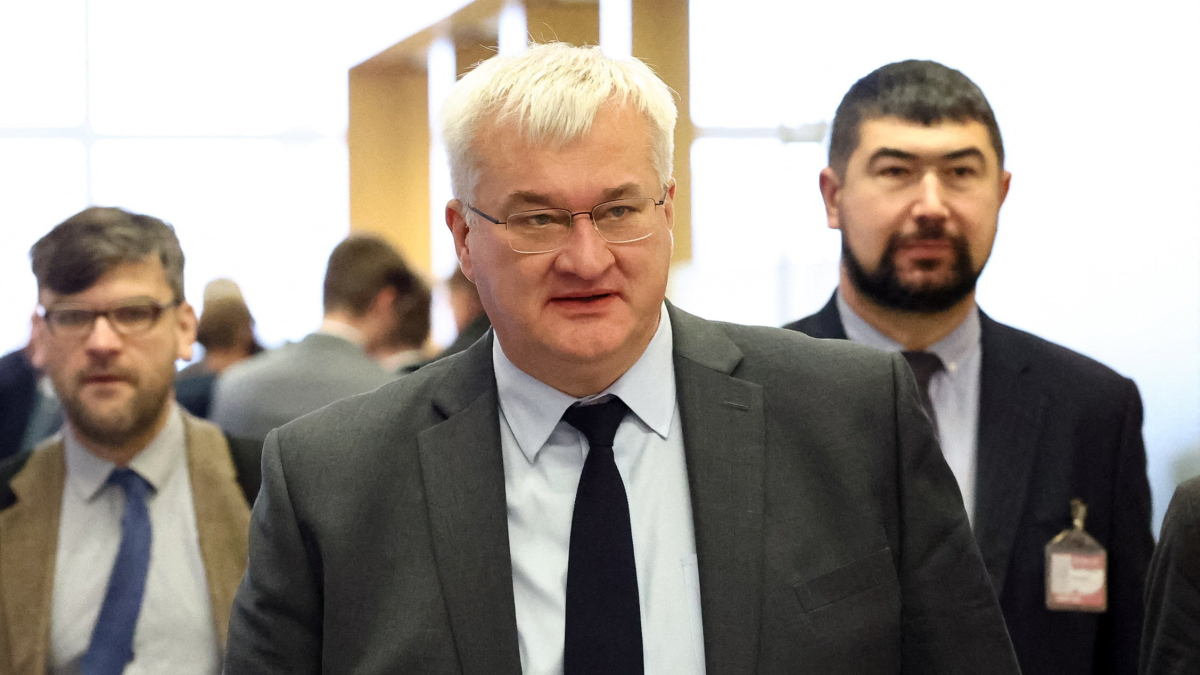
Speaking at the Organization for Security and Co-operation in Europe (OSCE) Ministerial Council on Thursday, Ukrainian Foreign Minister Andrii Sybiha referenced the 1938 Munich Agreement, which allowed Nazi Germany to annex the Sudetenland, as a cautionary tale.
“Europe has seen too many unfair peace deals. All of them only led to new catastrophes,” Sybiha said, stressing the need for principled negotiations.
“We still remember the names of those who betrayed future generations in Munich. This should never be repeated. We need real peace, not appeasement.”
Sybiha thanked the United States for supporting Ukraine’s efforts and pledged that Kyiv would “use every opportunity to try to end this war.”
Ukrainian President Volodymyr Zelenskyy confirmed that his team is preparing for further discussions with U.S. representatives to advance diplomatic solutions.
The OSCE, a 57-member security and rights body including the U.S., Canada, Russia and most European states, has historically been a key forum for east-west dialogue. However, in recent years it has often been deadlocked, with Russia accusing the organisation of Western bias and alleging the “total Ukrainisation of the agenda.”
The United States has also criticised the OSCE’s scope, warning it should focus on its core functions rather than influencing domestic politics.
Brendan Hanrahan, Senior Bureau Official for European and Eurasian Affairs at the U.S. State Department, said the OSCE’s monitoring work—covering borders, elections, and reforms—can only be effective if states cooperate fully. He also called for a budget reduction of more than 10% and a return to the organisation’s original mandate.
As Ukraine continues to push for international support and dialogue, the OSCE remains a crucial, though contested, platform for managing the ongoing conflict and post-war planning.













What is your opinion on this topic?
Leave the first comment