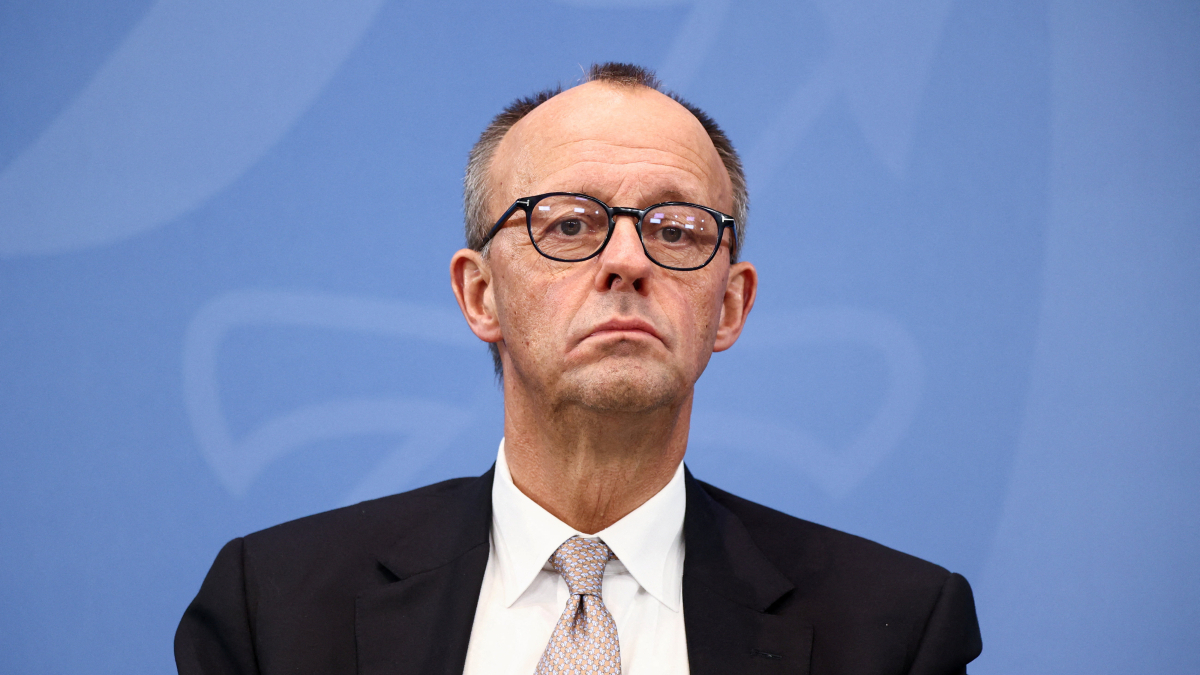
German Chancellor Friedrich Merz on Thursday (4 December) firmly rejected U.S. proposals to use Russian assets frozen in the European Union for the benefit of the United States, emphasising that these funds should be directed to support Ukraine.
Speaking in Berlin, Merz described the issue as a "European matter" and stated that there is no way to economically transfer these mobilised funds to the U.S.
"This money must go to Ukraine," Merz told reporters. "The American government knows this, and it is the consensus at the European level. There are no differences whatsoever on this issue."
The U.S. has expressed its desire to use some of the frozen Russian assets for Ukraine's defence and reconstruction. However, as part of the peace plan it suggests using the funds in a way that would see the United States profit from an investment vehicle - a move that is contentious with European allies.
Merz said that while the United States might have legitimate interests in such a proposal, it is not the aim of the operation Europe intends to launch.
"The Americans partly agree with this," he acknowledged, "but it is not the aim of the operation that we want to launch together in Europe in the next few days."
The European Commission, the European Union's executive body, has proposed a "reparations loan" using Russian state assets frozen in the EU following Russia’s invasion. However, Belgium, which holds the majority of the assets, has raised various legal concerns and remains unconvinced by the plan.
Merz, who has voiced support for the plan but also said the risks should be borne by all EU countries - not just Belgium, will be in Brussels on Friday to discuss the issue.
"I hope it will be a fruitful conversation and that we will find a solution that we can then present to Europe over the next two weeks," Belgian Prime Minister Bart De Wever told local media outlets.
Merz’s strong stance is in line with the German government's negotiating position, which insists that the money mobilised from these assets should flow directly to Ukraine to aid in its ongoing recovery and defence amid the ongoing conflict with Russia.
Moscow has described the use of its frozen assets as "theft" and argue's that the EU has no legal grounds.
On Friday (5 December), Merz is set to meet with Belgian Prime Minister Bart De Wever to persuade him to abandon his opposition to using the frozen Russian assets to secure a €165 billion loan for Ukraine. This decision is expected to be a key topic of discussion at an upcoming European Union summit in Brussels, where leaders from the 27 EU member states will meet 18 - 19 December to finalise their stance on the issue.
















What is your opinion on this topic?
Leave the first comment