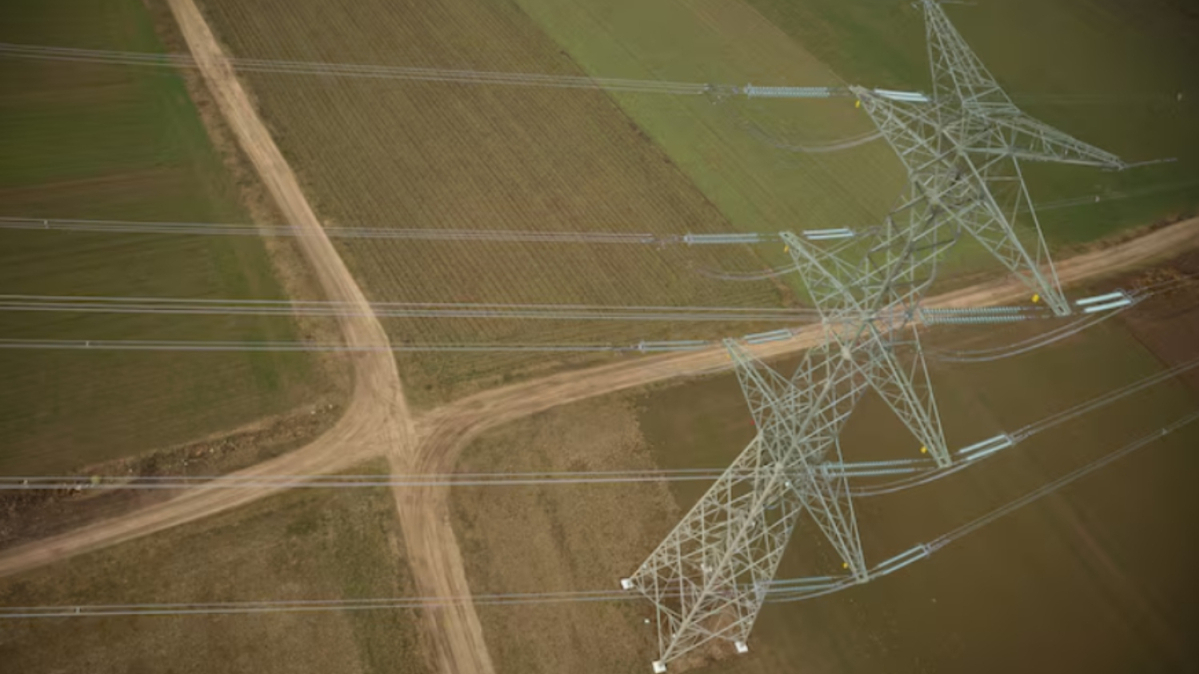
Poland’s army will assist the country’s national power grid operator in protecting key energy infrastructure, under a new agreement signed on Wednesday, as Warsaw heightens its defences against suspected Russian sabotage and drone incursions.
The deal, concluded between Polskie Sieci Elektroenergetyczne (PSE) — the state power grid operator — and the Polish army’s chief of staff, outlines plans for closer cooperation on security, including joint training exercises, information-sharing, and the purchase of anti-drone systems.
While details on funding were not disclosed, officials said the collaboration aims to safeguard the country’s most vulnerable energy assets, particularly high-voltage transformer stations that play a crucial role in Poland’s electricity transmission network.
Rising threats along NATO’s eastern flank
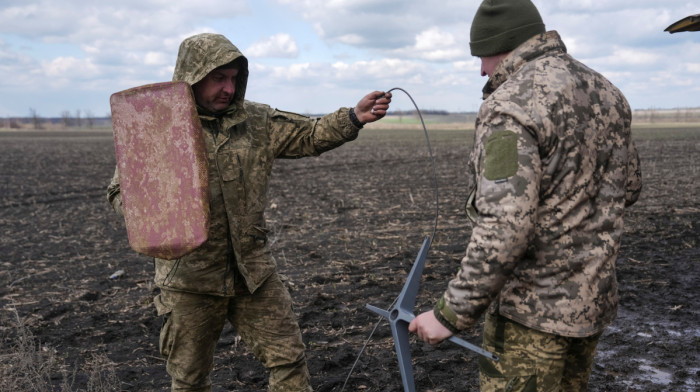
Poland, a NATO member and one of Ukraine’s staunchest allies, has faced a wave of sabotage and drone attacks since Russia’s invasion of Ukraine in 2022. Recent incidents include drone incursions in September and a railway explosion last month, both of which Polish authorities described as acts of “state terrorism” linked to Moscow — accusations the Kremlin denies.
The drone attacks have underscored the difficulty of defending Poland’s vast grid, which includes over 16,000 kilometres of high-voltage lines and around 110 transformer stations.
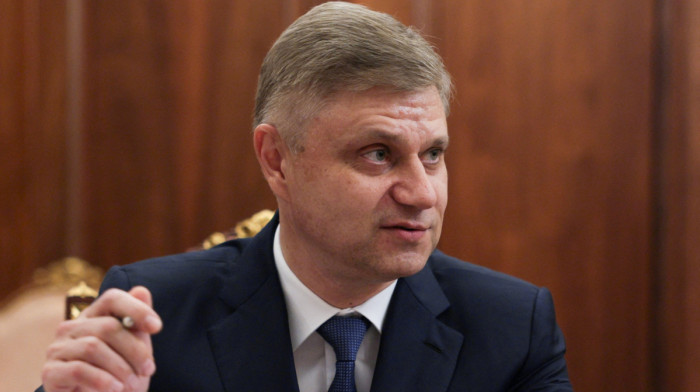
“Besides critical nodes, it’s a matter of our place in Europe and the fact that Poland links the Baltic system with the rest of the continent,” said Grzegorz Onichimowski, chief executive of PSE. “This part of our infrastructure requires particular attention.”
Strengthening infrastructure and cooperation
Under the new agreement, the Polish military will support the grid operator in assessing risks, conducting joint drills, and developing response protocols to ensure that soldiers can safely operate within power infrastructure sites during emergencies.
The deal also includes plans to coordinate on wind farm connection permits to avoid interference with low-flying military aircraft, as well as to exchange intelligence on potential threats, including drone activity similar to the incidents in September.
PSE and other Baltic energy operators are already seeking European Union funding to harden critical infrastructure and improve resilience against hybrid threats, such as cyberattacks and unmanned aerial strikes.
The Polish grid has also strengthened its own armed security and taken measures to protect cross-border energy links, including the power cable connecting Poland and Lithuania. Wednesday’s agreement marks a further step in integrating military and civilian defences to secure the nation’s energy backbone.















What is your opinion on this topic?
Leave the first comment