AnewZ Morning Brief - 10 December, 2025
Start your day informed with AnewZ Morning Brief: here are the top news stories for the 10th of December, covering the latest developments you need to...
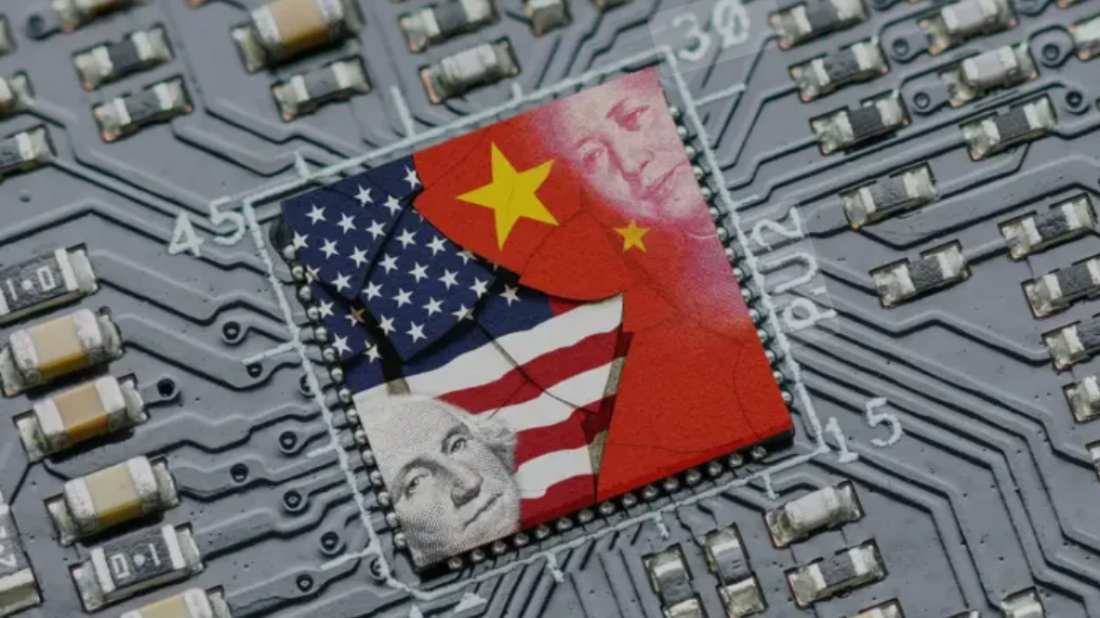
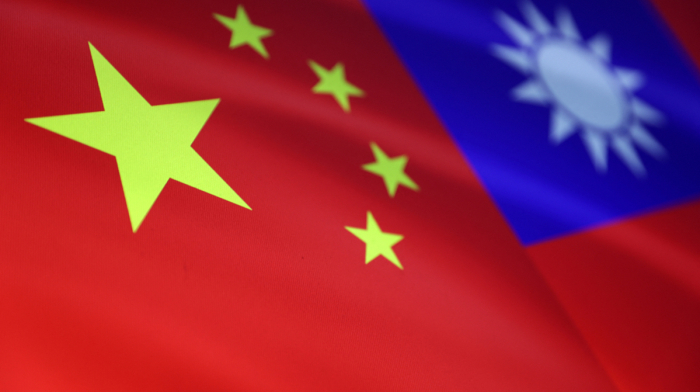
China plans to triple Artificial Intelligence (AI) chip production within a year, boosting self-sufficiency for firms such as Huawei, despite U.S. export curbs, reducing reliance on foreign suppliers and bolster domestic innovation, in a move that could reshape global tech competition.
According to industry sources, the expansion includes the launch of several new fabrication plants designed to serve leading technology companies such as Huawei. At the same time, Semiconductor Manufacturing International Corporation (SMIC), China’s largest contract chipmaker, is reportedly set to double its production of advanced 7-nanometer chips, despite ongoing U.S. restrictions on the export of cutting-edge semiconductor technology to Chinese firms.
The initiative comes as AI increasingly becomes a focal point of global technological competition. From generative AI models to advanced machine learning applications, high-performance chips form the backbone of development, and China is accelerating efforts to secure its supply chain in the face of geopolitical headwinds.
Beijing has already funnelled significant investment into its domestic semiconductor sector through state-backed funds and incentives. The latest production targets highlight China’s determination to close the gap with leading global players, while also ensuring its tech giants, including Huawei, can access the processors needed to fuel advancements in smartphones, data centers, and AI-driven services.
Analysts say tripling output within a single year would mark a major leap forward for China’s semiconductor industry, though challenges remain. Advanced chipmaking requires highly sophisticated equipment , much of which is subject to export controls, and yields for smaller process nodes such as 7nm are often difficult to maintain at scale.
Still, the push shows Beijing’s confidence in its ability to build a self-sufficient semiconductor ecosystem. If successful, China’s effort to expand AI chip production could significantly reshape the global technology dynamics.

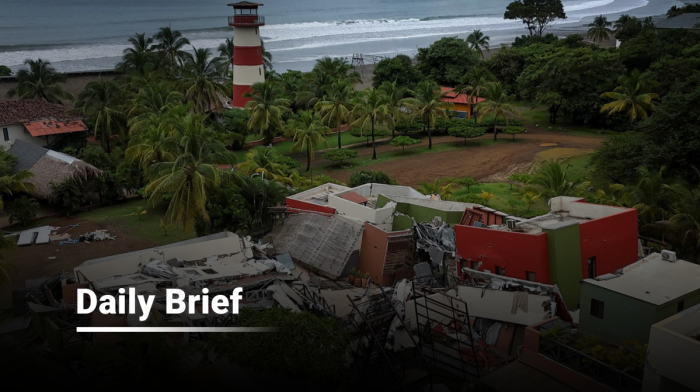
Authorities in Japan lifted all tsunami warnings on Tuesday following a strong 7.5-magnitude earthquake that struck off the northeastern coast late on Monday, injuring at least 30 people and forcing around 90,000 residents to evacuate their homes.
Pressure is mounting between Venezuela and the United States as both nations emphasise military preparedness and strategic positioning.
A group of demonstrators gathered outside the Norwegian Nobel Institute to protest the awarding of this year’s Nobel Peace Prize.
Tehran has protested to Washington because of the travel ban on its football team delegation as well as Iranian fans who would like to travel to the United States for the upcoming World Cup matches in 2026.
Paramount Skydance (PSKY.O) has launched a $108.4 billion hostile takeover bid for Warner Bros Discovery (WBD.O). The escalation follows a high-stakes battle that had appeared to end last week when Netflix secured a $72 billion deal for the studio giant’s assets.
Start your day informed with AnewZ Morning Brief: here are the top news stories for the 10th of December, covering the latest developments you need to know.
The world’s leading minds and voices will be honoured as Nobel Prizes are presented in Stockholm and Oslo on Wednesday, 10 December — the anniversary of Alfred Nobel’s death. The day unites royal ceremony, academic prestige and global recognition of achievements that have advanced humanity.
The United Nations Security Council has issued warnings about the rapidly worsening humanitarian crisis in Ukraine, citing a sharp surge in civilian casualties amidst Russia's intensified aerial attacks, marking the deadliest period of the war in more than a year.
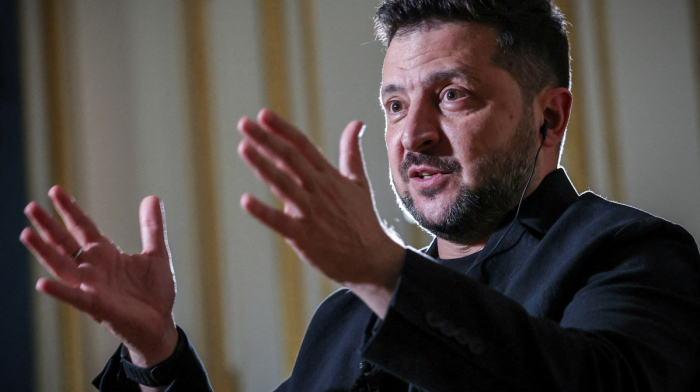
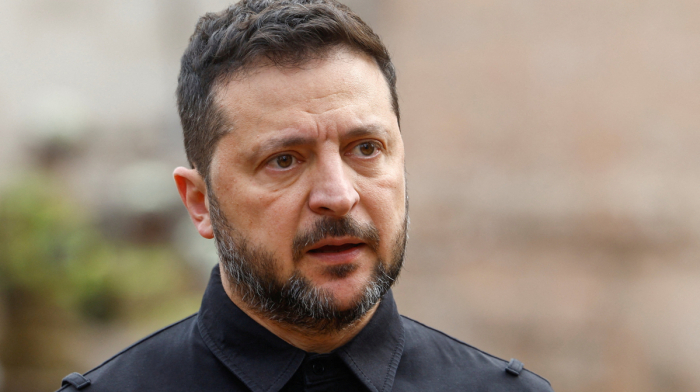
Ukrainian President Volodymyr Zelenskyy said on Tuesday he was prepared to hold elections within three months if the U.S. and Kyiv's other allies could ensure the security of the vote.
Fighting between Thailand and Cambodia extended into a third day on Wednesday as U.S. President Donald Trump said he would make a phone call to stop the conflict, after he had brokered a ceasefire in July to end a five-day battle between the Asian neighbours.
You can download the AnewZ application from Play Store and the App Store.
What is your opinion on this topic?
Leave the first comment