Spain’s rail network faces a three-day shutdown this week as the Semaf union protests safety failures following fatal accidents in Adamuz and Catalonia.
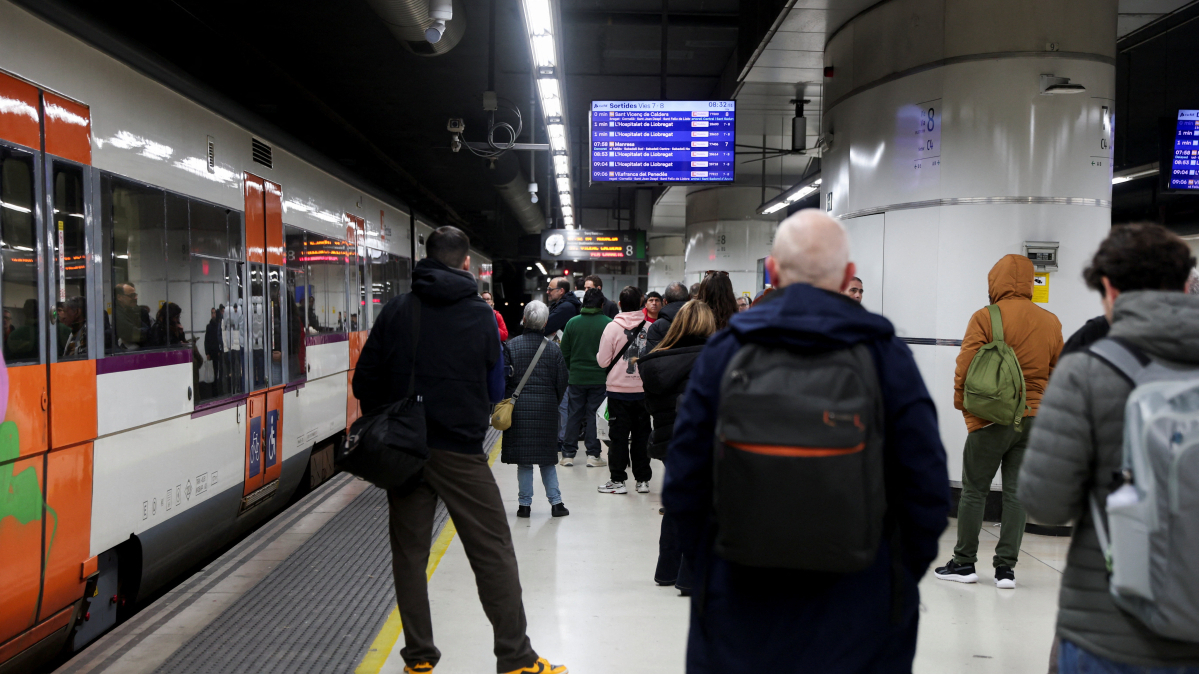
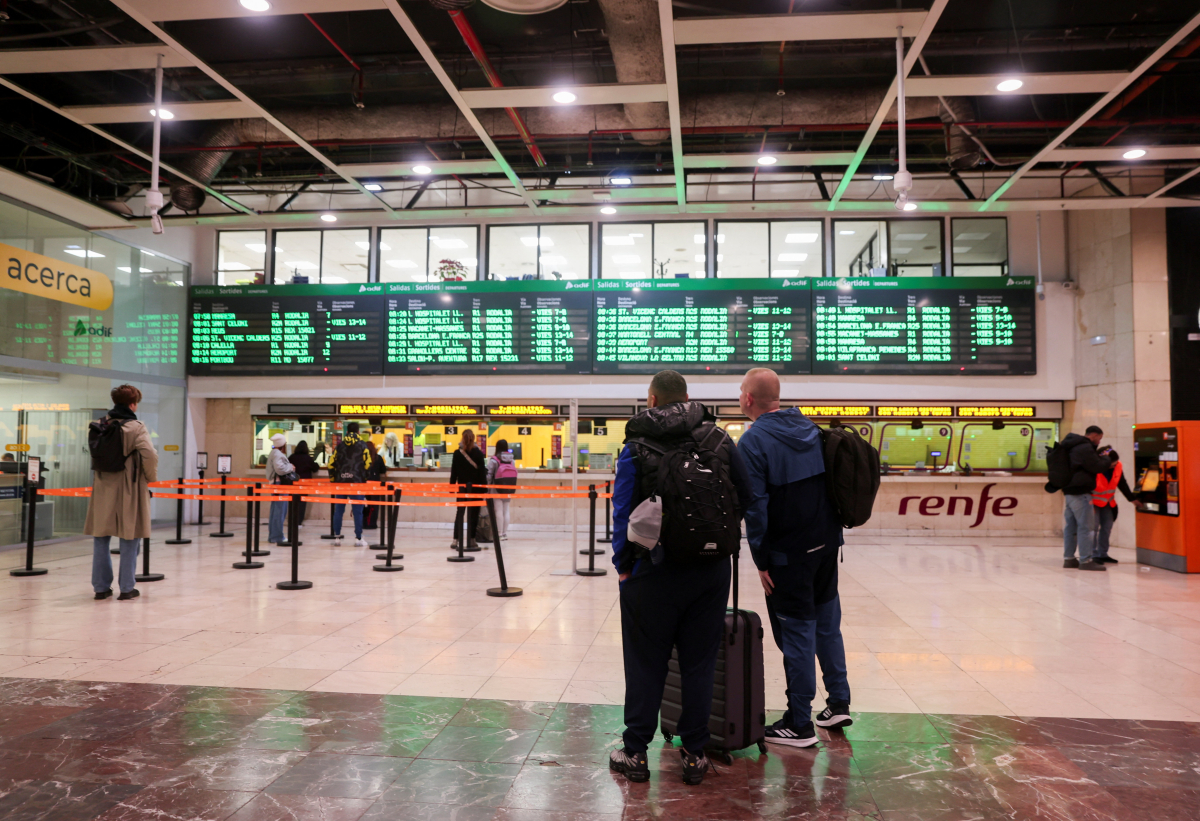
Strikes beginning on Monday (9 February) are set to paralyse the network and leave thousands of commuters and international travellers stranded. The walkout is a direct response to what trade unions describe as a systemic lack of safety guarantees within the country’s rail operations.
The industrial action comes in the wake of a "black week" for Spanish rail in January, which saw two separate fatal incidents occur within forty-eight hours of one another and cast a shadow over the reputation of Spain’s railway system, often cited as one of the most modern in Europe.
The most severe incident occurred on 18 January in Adamuz, in the southern region of Andalusia. In what has been recorded as Spain's worst rail disaster in more than a decade, a high-speed train derailed and collided with another coach travelling in the opposite direction, claiming the lives of 46 people.
The scale of the devastation sent shockwaves through the industry, prompting immediate questions regarding the integrity of the high-speed network.
A second fatal incident occurred near Barcelona in Catalonia just 48 hours later. A commuter train was struck by a collapsing wall, derailing the lead carriage. The trainee driver was killed and the accident left at least 37 passengers with injuries ranging from minor to severe.
Initial investigations by rail officials suggest the wall gave way exactly as the train was passing, crushing the driver's cab instantly and causing extensive damage to the first carriage where the majority of the injured were seated.
What the unions have said
The Semaf train drivers’ union declared that these were not isolated incidents but rather symptoms of a network in decline. They have described the collisions as a "turning point," arguing that drivers can no longer operate under current conditions without "demanding that all necessary actions be taken to guarantee the safety of railway operations."
A preliminary report was released by the rail accident investigation commission (CIAF) regarding the Adamuz disaster which showed forensic engineering analysis discovered specific grooves on the wheels of the derailed train, as well as on three previous trains that had traversed the same section.
The report suggests that a fracture in the track had occurred prior to the fatal crossing, pointing to a potential failure in automated track inspection protocols.
Following these collisions, emergency safety checks across the wider network have reportedly unearthed further faults and maintenance backlogs on several other active routes, fuelling the union's narrative that the system is suffering from "constant deterioration."
Semaf is demanding the immediate hiring of additional staff to cover maintenance deficits and a significant increase in the budget allocated for network upkeep. The union argues that while Spain has spent decades expanding its impressive high-speed AVE network, the maintenance of existing lines, particularly the regional Cercanías and Rodalies networks, has been dangerously neglected.
They contend that the "constant deterioration of the rail network" is a direct result of austerity measures and a lack of foresight in strategic planning.
What the government has said
Spain’s Prime Minister, Pedro Sánchez, is scheduled to be grilled in parliament later this week regarding the government's management of the state-owned railway infrastructure.
Opposition parties and union representatives are demanding an explanation for how safety protocols failed on two separate occasions in such a short timeframe.
However, the administration has sought to dismiss accusations of negligence, arguing that investment figures prove their commitment to safety. Transport Minister Óscar Puente has been vocal in his rejection of the union's narrative.
"We're not looking at a problem of lack of maintenance, we're not looking at a problem of obsolete [infrastructure], and we're not looking at a problem of lack of investment," he said.
To support this stance, the Ministry of Transport has highlighted that €700 million (£605 million) was recently invested specifically to update the Madrid-Andalusia line, the very corridor where the Adamuz accident took place.
The government insists that the stretch of track in question was included in this massive renovation project, complicating the narrative that cost-cutting is to blame.














What is your opinion on this topic?
Leave the first comment