Spain will hold three days of national mourning after a high-speed train collision in the southern province of Córdoba killed at least 42 people and injured around 120 others.
The crash happened near the town of Adamuz on Sunday evening, when two high-speed trains collided. State broadcaster RTVE said 12 of the injured remain in intensive care.
Regional authorities in Andalusia said 37 people are still missing, warning the death toll could rise as identification efforts continue.
Prime Minister Pedro Sanchez announced three days of national mourning late on Monday and pledged full transparency in the investigation.
"We are going to find out the truth, and when we do, it will be made public with absolute clarity," Sanchez said.
Spain’s Railway Accident Investigation Committee has opened a formal probe. Rail operator Renfe said initial assessments suggest the crash was not caused by human error.
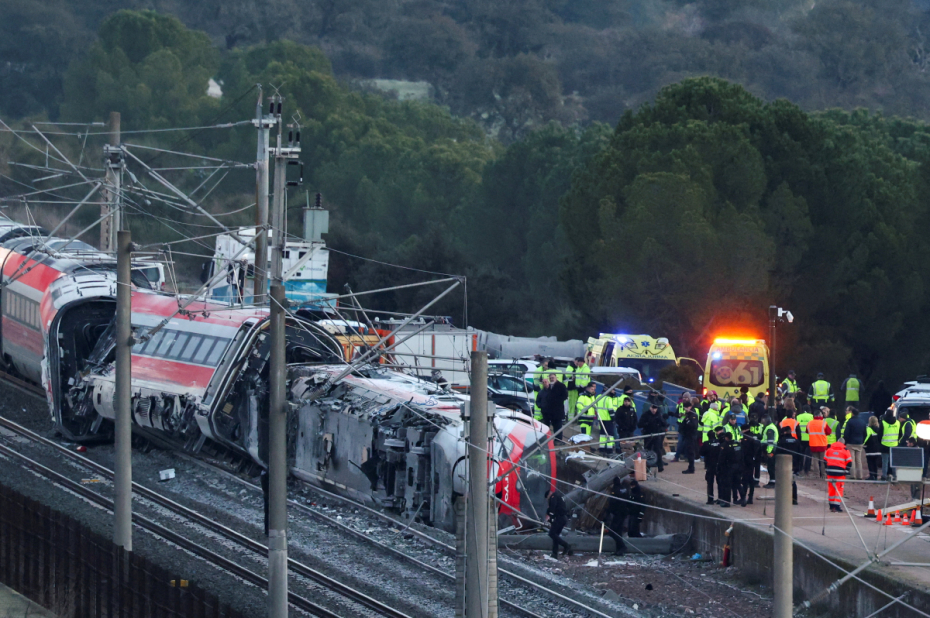
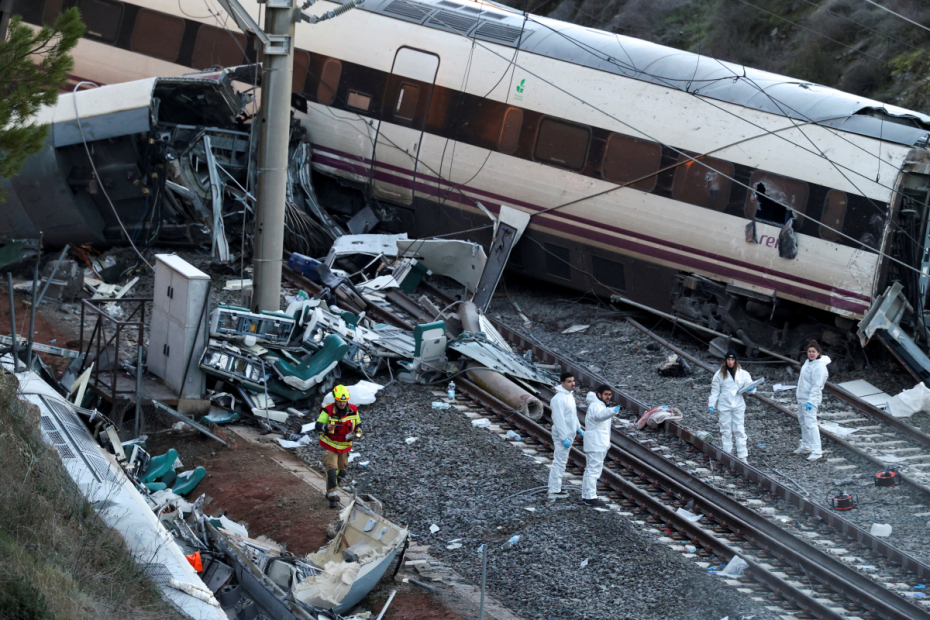
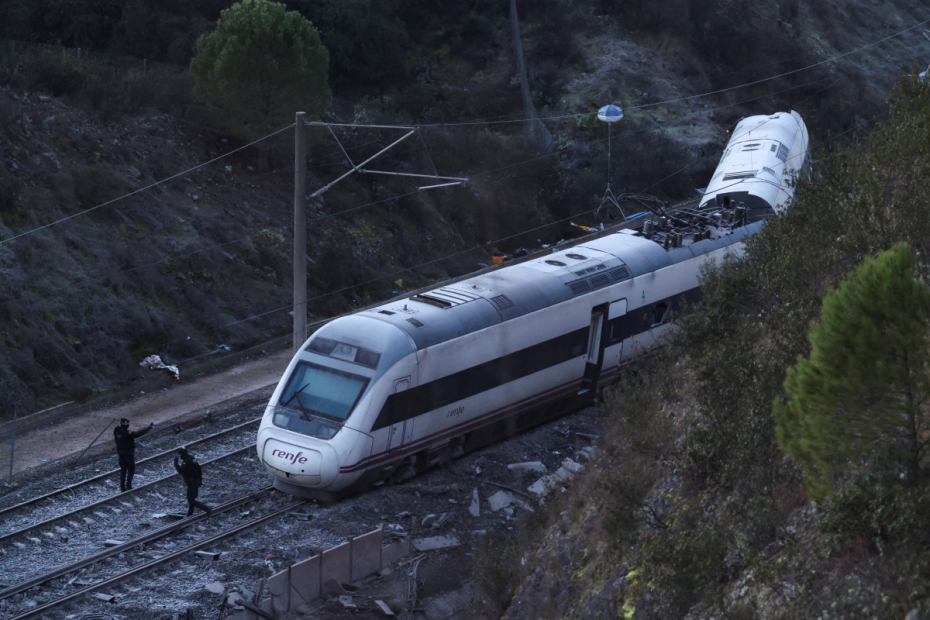
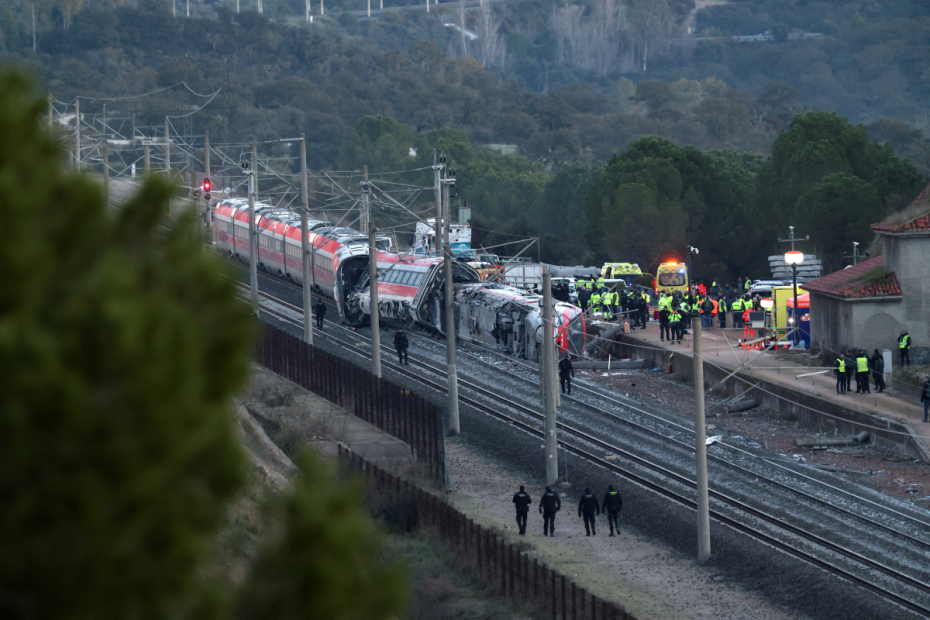
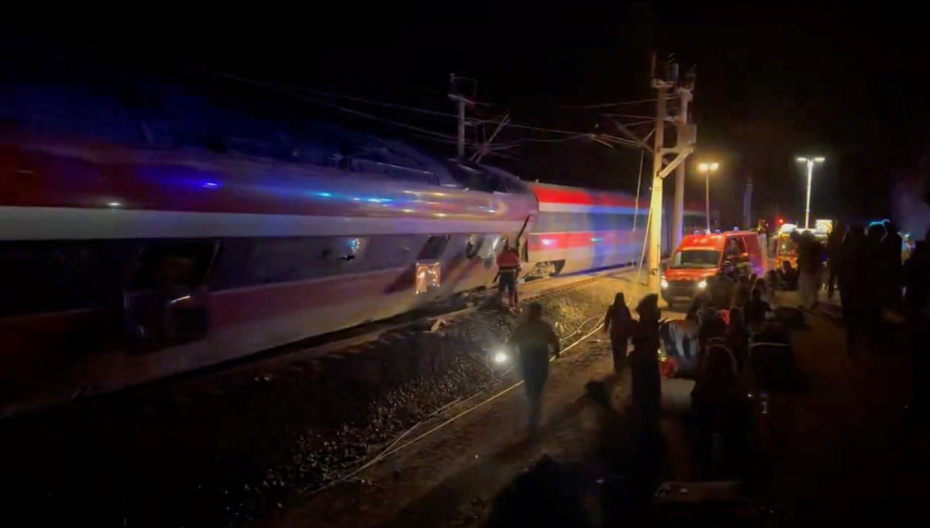
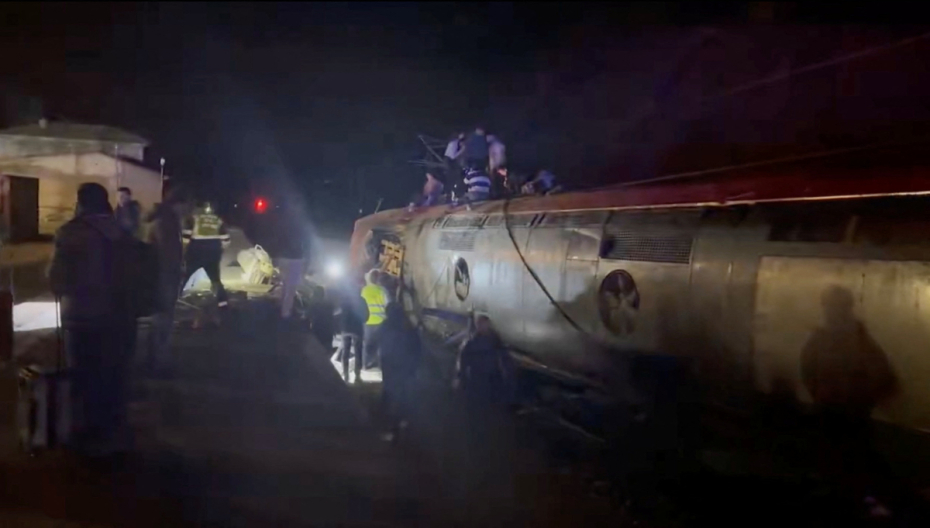
Authorities said the collision followed the derailment of two express trains near Adamuz, about 360 kilometres south of Madrid. Both trains overturned, with the leading carriages of the second train plunging down an embankment.
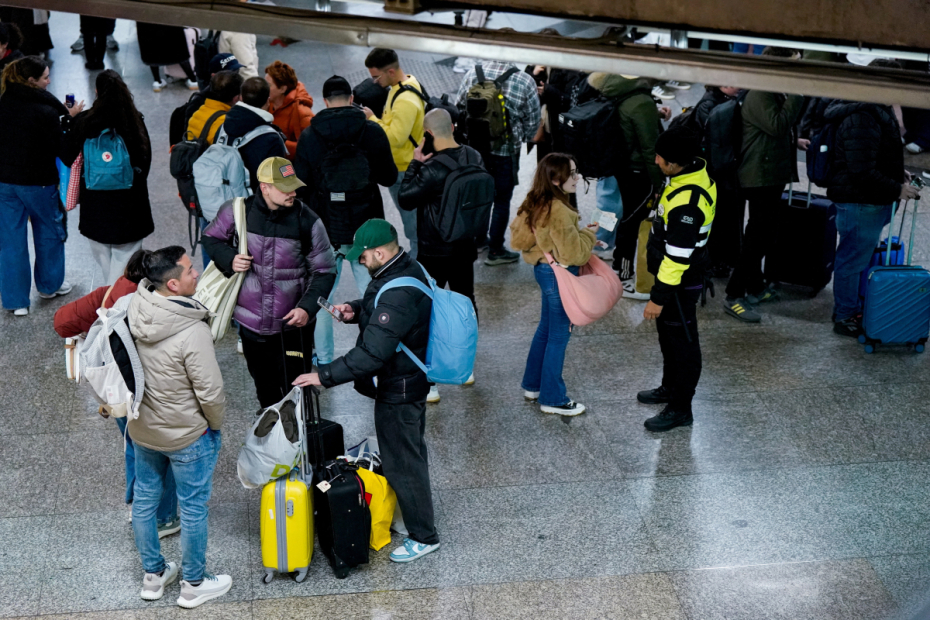
The crash caused major disruption to rail services. More than 200 trains between Madrid and southern Andalusia, including routes to Cordoba, Seville and Granada, were cancelled throughout the day.
Sanchez cleared his schedule to address the incident, his office said.
Video footage circulating on social media showed rescue teams pulling passengers from twisted carriages under floodlights. Some passengers escaped through broken windows, while others were carried away on stretchers.
Officials said around 400 passengers were travelling on the two trains, most of them Spaniards heading to or from Madrid after the weekend. It was unclear how many foreign tourists were on board.
Transport Minister Oscar Puente said the cause of the crash has not yet been determined.
Death toll could rise
Andalusia’s regional president Juanma Moreno said at least 75 people were hospitalised, including 15 in serious condition, warning that the toll could rise once rescuers gain full access to the wreckage.
Spain’s King and Queen were kept informed, while embassies contacted staff to check on their safety.
Local television showed a reception centre set up in Adamuz, where residents brought food and blankets as overnight temperatures fell to around 6°C.
"The train tipped to one side... then everything went dark, and all I heard was screams," said Ana Garcia Aranda, 26, who was being treated at a Red Cross centre in Adamuz.
Limping and with plasters across her face, she described how fellow passengers dragged her out of the train covered in blood. Firefighters rescued her pregnant sister from the wreckage and an ambulance took them both to hospital.
"There were people who were fine and others who were very, very badly injured... you knew they were going to die, and you couldn’t do anything," she said.
The death toll was among the 20 highest from a train crash in Europe in 80 years, according to Eurostat data, and the highest in Spain since 2013, when a train derailed in the northwestern city of Santiago de Compostela, killing 80.
Warnings of 'wear and tear'
Spanish train drivers had warned state-owned rail infrastructure administrator Adif of “severe wear and tear” on the Madrid-Andalusia line and others, according to a letter seen by Reuters sent to Adif by train drivers' union Semaf in August and urging stricter speed restrictions.
Adif had no immediate comment.
The Iryo train, a Frecciarossa 1000, was under four years old and the railway line near Adamuz was renovated last May, Puente said. Iryo said the train was last inspected on 15 January.
Spain's high-speed railway network is the largest in Europe and second-largest in the world after China with 3,622 km of tracks, according to Adif.
The government was criticised last year for a series of delays to high-speed rail, caused by power outages and the theft of copper cables from the lines.
Spain opened up the network to private competition in 2020 in a bid to offer low-cost alternatives to Renfe's Ave trains.
Iryo is a joint venture between Italian state railway operator Ferrovie dello Stato, airline Air Nostrum and Spanish infrastructure investment fund Globalvia.












What is your opinion on this topic?
Leave the first comment