A powerful winter storm has struck the north-east United States, placing nearly 60 million people under weather warnings. States of emergency have been declared across multiple states and forcing a travel ban in New York City as heavy snow, fierce winds and coastal flooding batter the region.
The storm began lashing the region on Sunday (22 February) evening and is forecast to continue into Monday, with the heaviest impact expected across New York, New Jersey, Massachusetts and Rhode Island.
Forecasters say it could be the most powerful winter storm to hit much of the north-east in nearly a decade.
Around 40 million people are under blizzard warnings and another 19 million under winter storm warnings stretching from the central Appalachians to coastal Maine.
Snowfall rates of 5–8cm per hour (2–3 inches) are forecast, with total accumulations of 30-60cm (1-2 feet) widely expected and up to 71cm (28 inches) in some areas. Winds along the coast could gust between 65 and 70 mph, raising the risk of downed trees, power cuts and coastal flooding.
NYC under snow
New York City, under its first blizzard warning in nine years, is forecast to receive 46-61cm of snow (18-24 inches), with temperatures falling to about -6C (20F).
Mayor Zohran Mamdani declared a state of emergency and imposed a full travel ban across the five boroughs from 2100 local time on Sunday until midday Monday, closing streets, highways and bridges except for emergency vehicles. Schools were cancelled and Broadway performances suspended.
New York Governor Kathy Hochul declared a statewide emergency and activated around 100 National Guard members, warning that Long Island, New York City and the lower Hudson Valley were in the direct path of the storm.
New Jersey blackout
In New Jersey, Governor Mikie Sherrill declared a state of emergency, halted public transport services and introduced a mandatory overnight travel ban.
Thousands of residents were already without electricity. States of emergency were also declared in Massachusetts, Connecticut, Delaware and Rhode Island, where officials urged residents to stay at home and closed government offices.
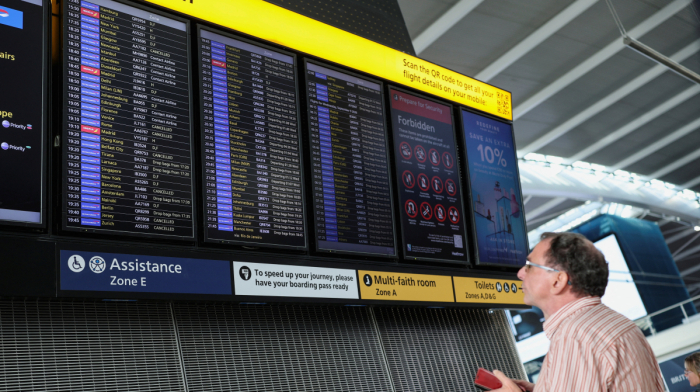
More than 20,000 customers in New Jersey were without power, with further outages reported in Virginia, Delaware and Maryland. Nearly 3,900 flights were cancelled nationwide on Sunday, including more than 1,700 in the New York metropolitan area, and hundreds more were delayed.
Transport disruption
New York’s subway system operated on a modified service, while the Long Island Rail Road and parts of New Jersey Transit suspended operations.
In Connecticut, commercial vehicles were barred from highways until further notice. Schools in Boston and districts near Washington, DC, also closed or delayed opening.
The storm is also affecting eastern Canada, with parts of Nova Scotia under an orange weather warning through early Tuesday.
Officials across the north-east warned residents to avoid unnecessary travel, remain indoors and prepare for prolonged power outages as the blizzard intensifies overnight.

















What is your opinion on this topic?
Leave the first comment