




12:52 CET
Russia-Ukraine
live Russian strikes kill three, damage dozens of power facilities
Russian strikes killed ...
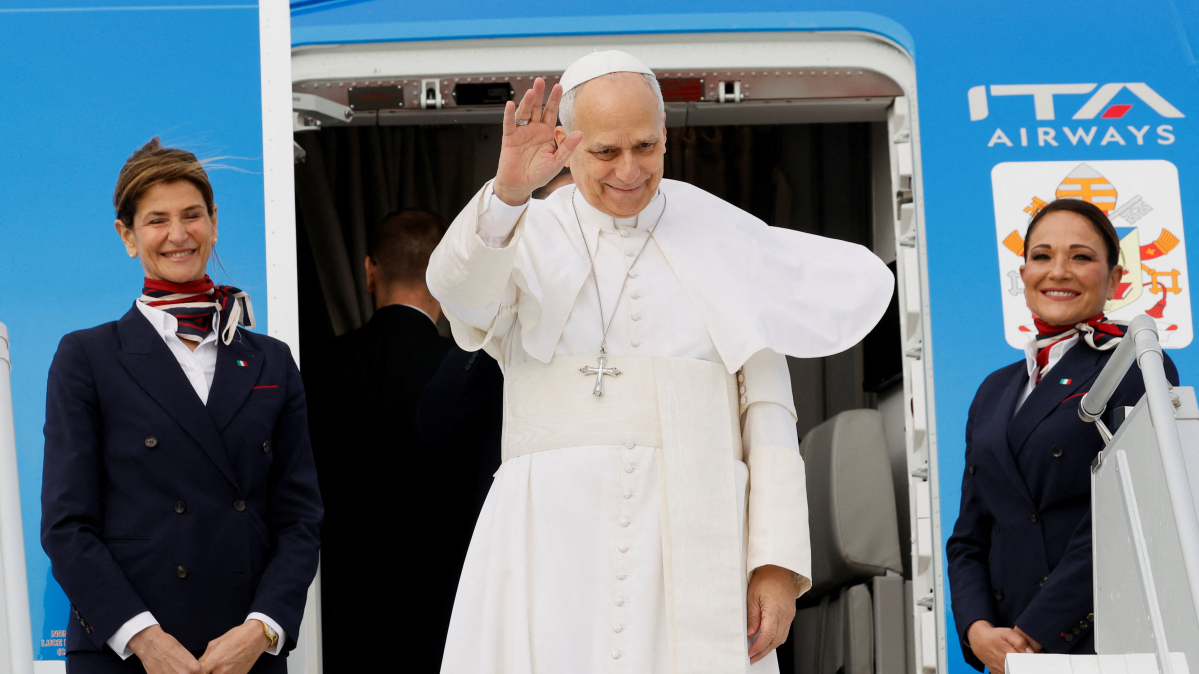


Pope Leo XIV is set to make history this April, becoming the first pontiff ever to visit Algeria. The trip forms part of a wider African tour, taking him to Angola, Equatorial Guinea and Cameroon from 13–23 April, and marks his first major overseas trip of 2026.
Leo, aged 70, was elected in May last year to succeed the late Pope Francis as head of the 1.4-billion-member Church, and has so far made only one overseas trip, visiting Türkiye and Lebanon in November and December 2025 on a journey originally planned for Francis.
However, he was the target of an unusual, direct attack from President Donald Trump late on Sunday (12 April) that drew sharp rebuke from Catholics, as he left Rome for Algeria, where he will spend two days.
He and his entourage departed Rome's Fiumicino airport shortly after 9 am (0700 GMT), heading for the Algerian capital Algiers where he will meet President Abdelmadjid Tebboune before addressing the country's political leaders.
The pope is making the visit with a mission "to help turn the world's attention to Africa", Cardinal Michael Czerny, a senior Vatican official and close adviser to Leo, told Reuters.
Algeria, a predominantly Muslim nation with a tiny Catholic population, holds particular symbolic significance, which has never hosted a papal visit. It is part of the ancient Christian heartland that produced St Augustine of Hippo, one of the Church’s most influential theologians.
The Pope’s trip is expected to focus on dialogue with Muslim leaders, youth engagement, and peacebuilding, reinforcing interfaith cooperation in a country better known for its Islamic identity than its Christian past.
About 20% of the world’s Catholics live on the continent, according to Vatican statistics, making it the fastest-growing region for the Church globally. The tour also sends a message to political leaders about stability, development and the need for interfaith dialogue.
"Pope Leo's visit will remind the world that Africa matters and the vibrancy of the Church in Africa remains at the heart of a thriving (global) Church," said Reverend Agbonkhianmeghe Orobator, a Jesuit from Nigeria who led his order's communities across Africa from 2017-23.
Other stops on the tour echo previous papal trips, but Algeria remains unprecedented, highlighting the historic nature of Pope Leo’s journey.
Beyond Africa, the Pope will pay a visit to Monaco in March and Spain in June, including the Canary Islands, a major entry point for African migrants to Europe.
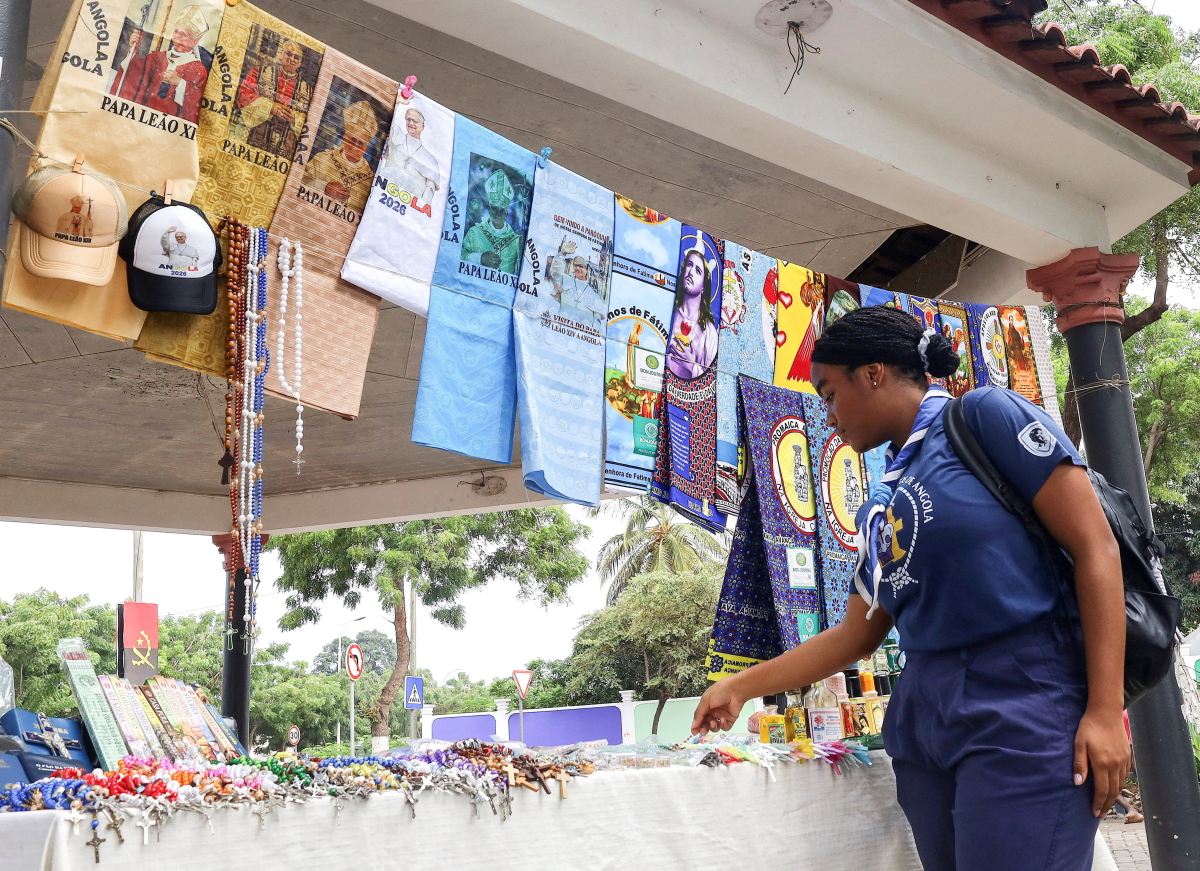
Leo's tour is the 24th by a pope to Africa since the late 1960s.
He is expected to touch on many topics in 25 planned speeches over 10 days, Vatican spokesperson Matteo Bruni told journalists on Friday, given that the four nations face diverse issues.
Likely topics include exploitation of natural resources, Catholic-Muslim dialogue, and dangers of political corruption, said Bruni.
Cameroon and Equatorial Guinea have presidents who have been in power for decades and have been accused of human rights abuses, which they deny.
The biggest event of the itinerary will likely come in Cameroon on Friday, when the Vatican said some 600,000 are expected for a Mass in the coastal city of Douala.
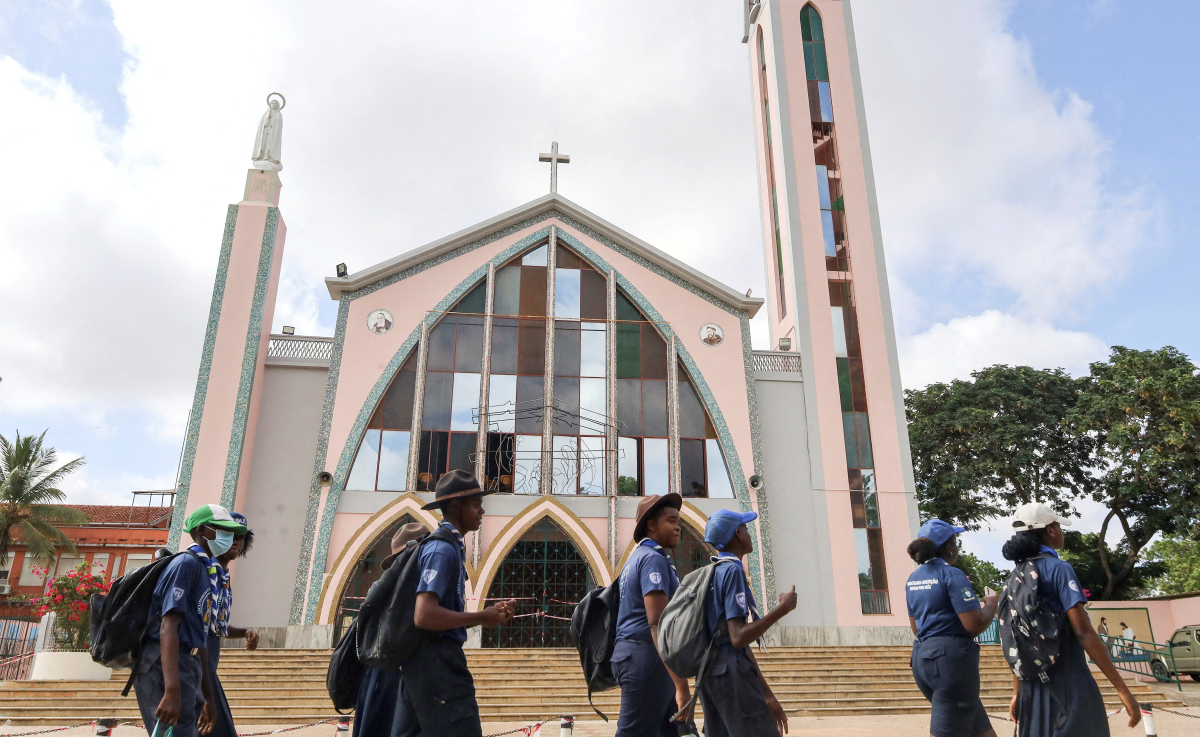
Comfortable in several languages, Leo is expected to speak Italian, English, French, Portuguese and Spanish during the trip.
After speaking to Algeria's political leaders on Monday, Leo will visit the Great Mosque of Algiers in only his second visit to a mosque as pope.
He will travel on Tuesday to Annaba on Algeria's northeast coast, for a visit to the ruins of the ancient town of Hippo.
The site has special meaning to Leo, who is a member of the Augustinian religious order. The order is inspired by the teachings of fourth-century St. Augustine of Hippo, a major figure in the early Church.

Russian strikes killed ...
A building at Saudi Aramco’s headquarters in ...
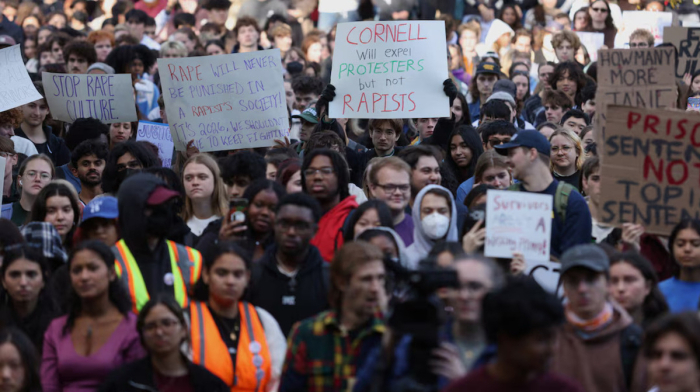
Cornell University has prohibited parties and social gatherings at fraternity houses for the remainder of the academic year following allegations o...

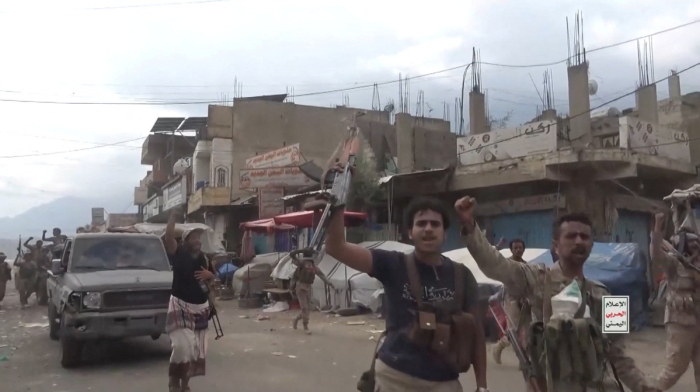
One person was killed and nearly a dozen hurt in a fresh attack on Riyadh's international airport on Sunday, Saudi authorities reported, a day after a strike claimed by Yemen's Houthis killed 13 people and wounded more than 300.
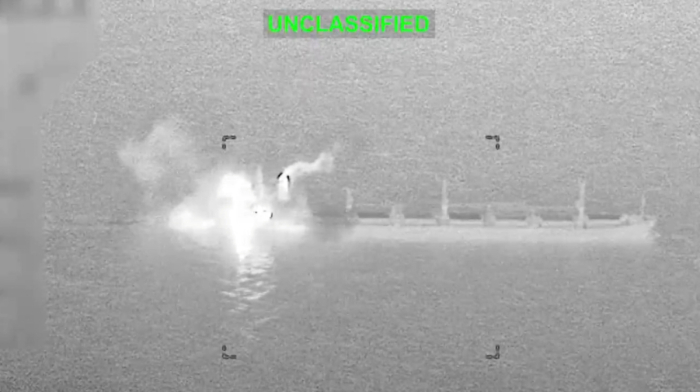
The Saudi-led coalition in Yemen said late Monday that it intercepted and destroyed two ballistic missiles launched by the Houthi group toward Khamis Mushait in southwestern Saudi Arabia.
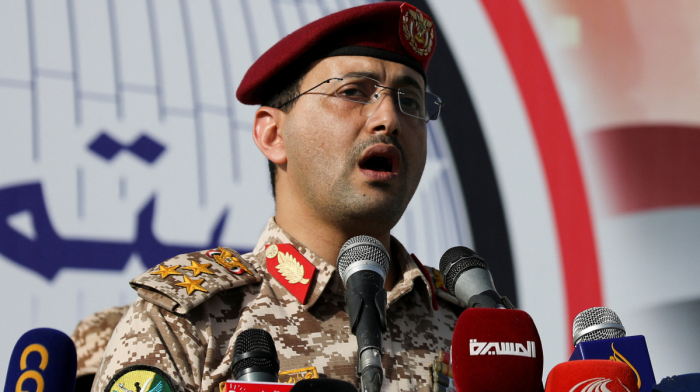
The Houthi movement has escalated their attacks on Saudi Arabia, targeting the airport in Riyadh and other cities, killing more than a dozen people.
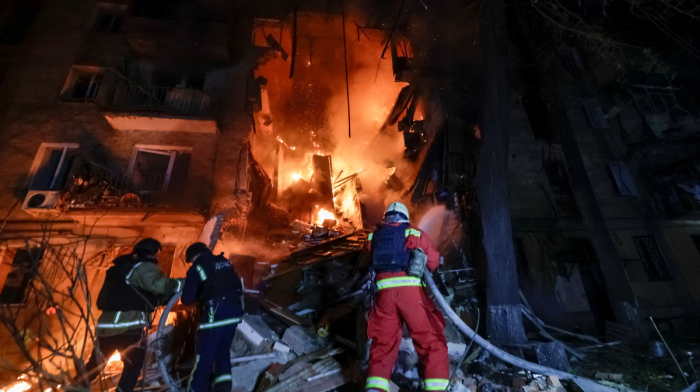
Ukrainian President Volodymyr Zelenskyy says Russia hit at least six energy targets in deadly strikes across Ukraine, showing Moscow is unwilling to accept the energy ceasefire announced by U.S. President Donald Trump.
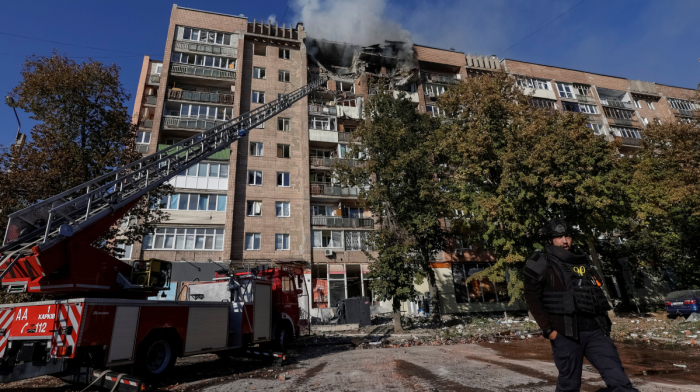
The Kremlin on Monday rejected a 60-day ceasefire idea proposed by Ukrainian President Volodymyr Zelenskyy to allow his country to hold presidential elections, saying it wanted an overall peace deal instead.
Russian strikes killed three people in Kyiv and plunged hundreds of thousands into darkness overnight, authorities said on Wednesday, in an attack President Volodymyr Zelenskyy called “ostentatious disrespect” to Donald Trump's peace effort.
Cornell University has prohibited parties and social gatherings at fraternity houses for the remainder of the academic year following allegations of a gang rape in 2024, as criticism mounts over the institution’s handling of the case.
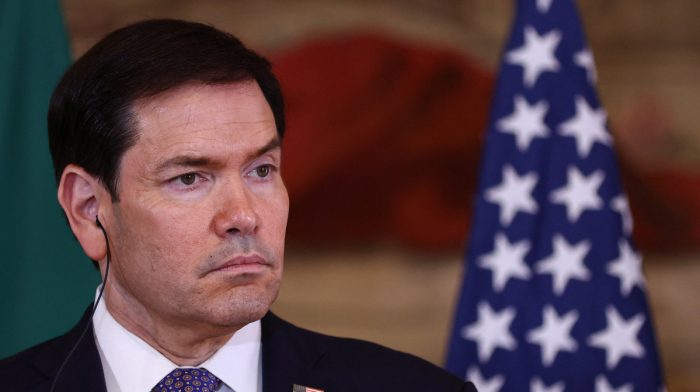
U.S. Secretary of State Marco Rubio will depart on Saturday (17 October) on a five-day trip to India and Uzbekistan, the State Department said, adding that he will discuss energy cooperation in India.
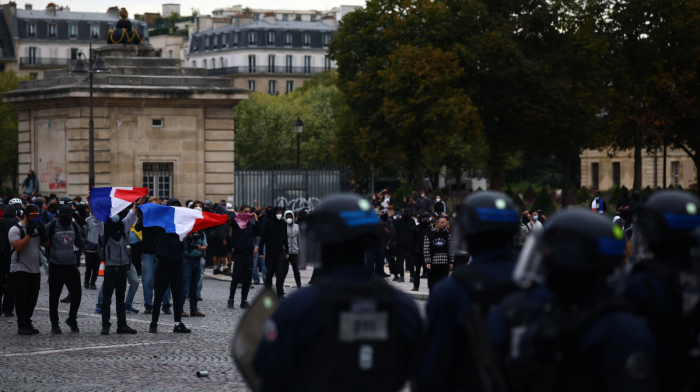
French riot police clashed with student protesters in Paris on Tuesday, using tear gas and water cannon and making arrests as demonstrations over school conditions continued across the country.
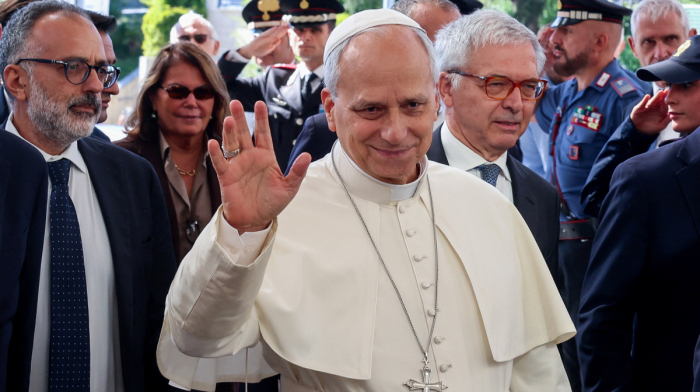
Pope Leo has been diagnosed with lung cancer after surgeons removed part of his right lung, the Vatican said on Tuesday, in the first major health setback of his pontificate.
You can download the AnewZ application from Play Store and the App Store.




What is your opinion on this topic?
Leave the first comment