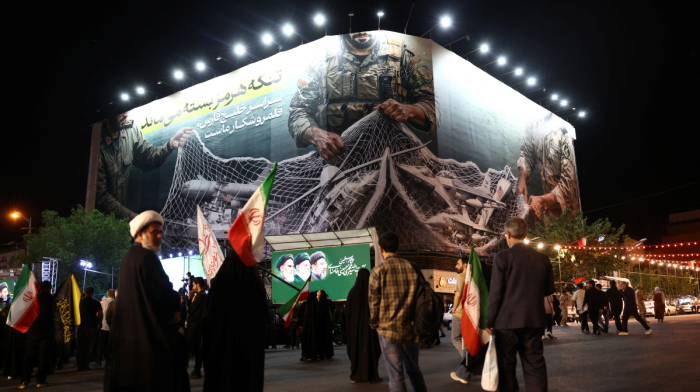
Recent developments across the Middle East show political messaging is moving beyond traditional channels, with public art and AI-generated content reshaping how conflicts are portrayed and consumed online.
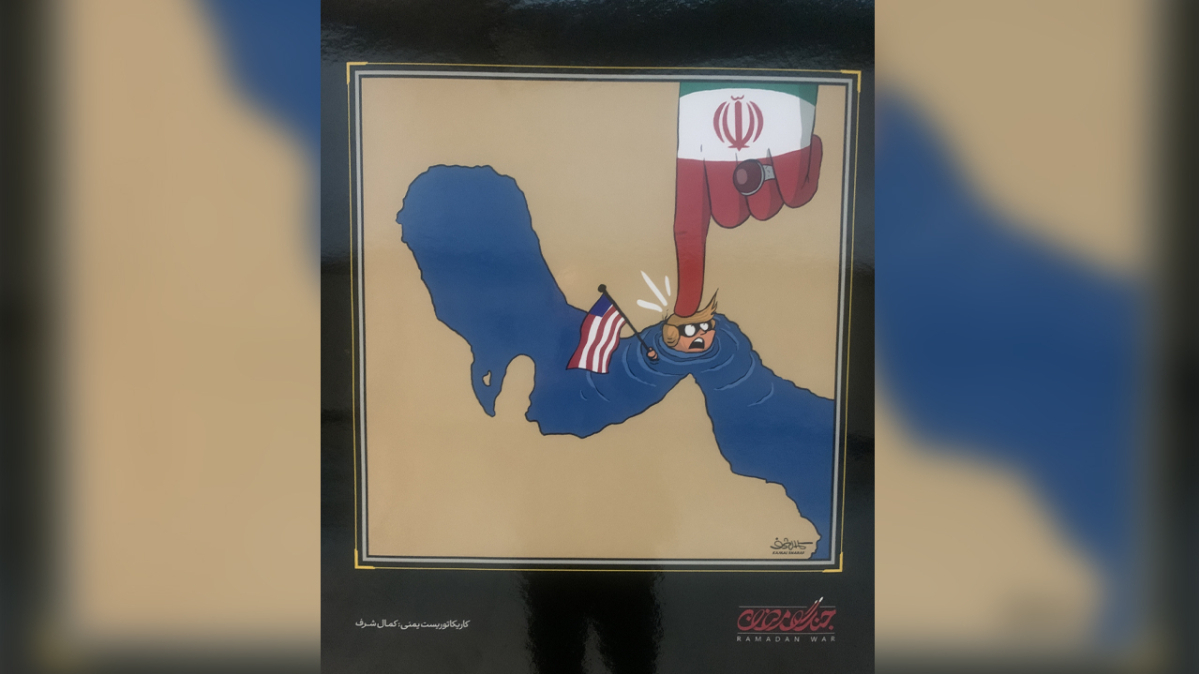
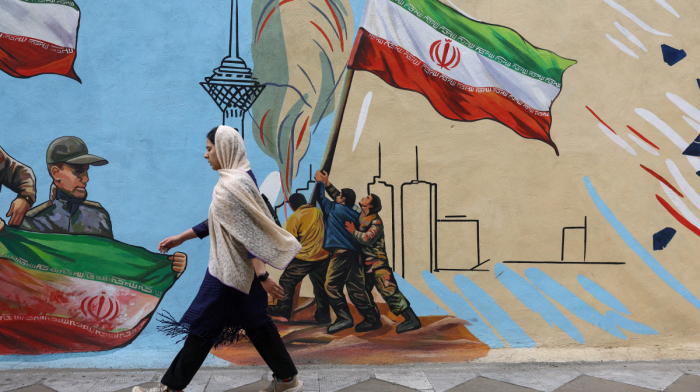
Cartoons by Yemeni caricaturist Kamal Sharaf have been displayed in a metro station in Tehran, reflecting the growing presence of politically themed visual art in public spaces.
Sharaf’s work, which focuses on Yemen and wider Arab conflicts, including Palestine, has previously appeared in newspapers and online platforms.
Rise of AI-generated viral content
Alongside traditional artistic displays, a new wave of digital content is circulating widely across social media platforms. Some clips have reached millions and in some cases billions, of views, extending far beyond audiences who actively follow Middle East politics.
A notable example is AI-generated videos presented in a Lego-style animation format, including depictions of Iranian military figures and global political leaders such as U.S. President Donald Trump.
These videos often use stylised visuals, humour, and pop culture references to present geopolitical narratives in an accessible format.
'Slopaganda' and blurred boundaries
Some analysts have described this trend as “slopaganda”, a blend of entertainment and political messaging that blurs the line between satire, propaganda, and digital content. Rather than relying on explicit political statements, the effectiveness of such material lies in its format and shareability.
Director of Strategy and Resident Senior Fellow Emerson T. Brooking noted that this type of content is particularly effective because it reaches “politically uninvested people who otherwise wouldn’t have engaged with war-related content”.
Analysts also argue that the appeal comes from meme culture, music, and familiar visual styles that help bypass audience resistance.
Evolving information strategy
Experts say Iran’s broader information strategy has shifted from traditional ideological messaging towards a more complex model involving social media activity, cyber operations and AI-generated content.
This approach serves multiple strategic aims, including shaping international perceptions, reinforcing deterrence narratives, influencing U.S. and regional public opinion, and strengthening domestic messaging.
Some campaigns are also reported to include impersonation accounts, disinformation narratives and emotionally charged content designed to amplify uncertainty and fear.
AI and accelerated influence operations
Researchers note that artificial intelligence has significantly increased the speed and scale of such influence operations. Rapid content production allows political narratives to respond almost instantly to unfolding conflicts, increasing their potential to go viral.
Overall, experts say the rise of AI-driven “memetic warfare” reflects a growing collapse of boundaries between satire, propaganda and journalism.
In this environment, political messaging increasingly reaches audiences who are not actively seeking it, often without clear awareness of its political dimension.














What is your opinion on this topic?
Leave the first comment