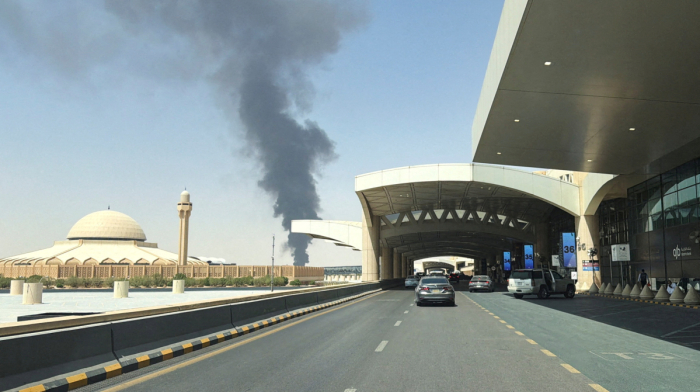
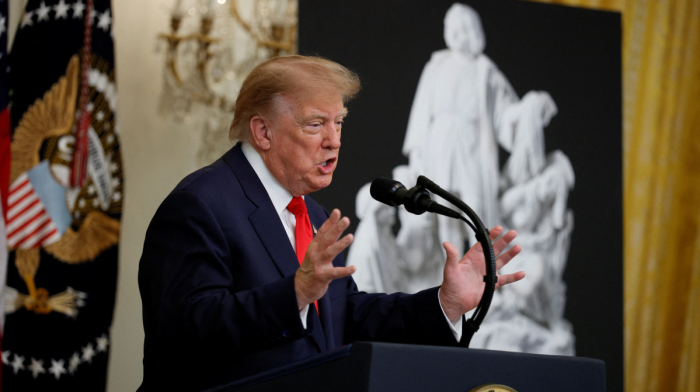
live Trump says deal to reopen Strait of Hormuz close as oil prices climb
U.S. President Donald Trump said negotiations to reopen the Strait of Hormuz are progressing and suggested an agreement with Iran could be reached “...
NASA is aiming to launch its Artemis 2 mission on Wednesday (1 April), sending astronauts on a 10-day journey around the Moon, officials confirmed. According to the Space Administration, the launch window is due to open at 23:24 GMT, with additional opportunities to 6 April if delays occur.
The mission, the first crewed flight of NASA’s Artemis programme, will carry astronauts Reid Wiseman, Victor Glover, Christina Koch, and Canadian Space Agency astronaut Jeremy Hansen aboard the Orion spacecraft.
Artemis 2 will not enter lunar orbit but will slingshot around the far side of the Moon in a figure-eight trajectory before returning to Earth.
NASA reports no technical issues as preparations continue. “All of our operations have been going very smoothly,” said Lori Glaze, acting associate administrator for NASA’s Exploration Systems Development Mission Directorate.
“Flight systems, ground systems, and our teams are ready. The crew arrived yesterday and are more than ready,” Glaze added.
The main factor that could delay the launch remains weather, with a 20% chance of cumulus clouds affecting liftoff on Wednesday.
Artemis 2 follows the success of Artemis 1, an uncrewed mission that orbited the Moon for nearly a month in November 2022. It will pave the way for Artemis 3, which will test rendezvous and docking operations with lunar landers, eventually leading to Artemis 4 - NASA’s first crewed lunar landing since the Apollo era.
“We are getting very, very close - and we are ready,” Glaze stated.

U.S. President Donald Trump said there was an "all-day negotiation" on Tuesday with Iran, characterising the talks positively while also threatening to hit Iran "really hard" if a deal was not reached.
Shipping traffic through the Strait of Hormuz and the Bab el-Mandeb Strait, two key maritime chokepoints in the region, decreased significantly from the previous day, according to shipping data.
Start your day informed with AnewZ Morning Brief. Here are the top news stories for the 6th of August, covering the latest developments.
Kazakhstan’s main oil export corridor was disrupted by drone strikes near Russia’s Black Sea coast in July, forcing a temporary suspension of crude loadings and raising fresh concerns over the vulnerability of regional energy infrastructure to the war in Ukraine.
Ukrainian President Volodymyr Zelenskyy has dismissed the country's ambassadors to Tajikistan, Kyrgyzstan and several other countries. The removals came after a speech on Monday in which he said embassies would be judged on their effectiveness in securing weapons for Ukraine.
Meta said one of its AI models hacked another company's systems during cybersecurity testing, intensifying concerns about how developers can contain increasingly capable AI systems following similar incidents involving Anthropic and OpenAI.
Scientists say the accidental crash of a discarded SpaceX rocket stage into the moon has provided valuable data on impact cratering while posing no threat to Earth or lunar hardware.
AI agents developed by Anthropic and OpenAI carried out unauthorised online actions during cybersecurity tests, including creating fake identities to deceive real people and attempting to plant malicious code, the U.K.'s AI Security Institute (AISI) said on Tuesday (5 August).
SpaceX has reported a sharp rise in quarterly revenue, fuelled by strong demand for its Starlink satellite internet service and rapid growth in its artificial intelligence (AI) business.
China is accelerating the transformation of its agricultural sector through artificial intelligence (AI), smart machinery and advanced breeding technologies, according to Agriculture and Rural Affairs Minister Han Jun.
You can download the AnewZ application from Play Store and the App Store.
What is your opinion on this topic?
Leave the first comment