Latvian President Edgars Rinkēvičs’ visit to Azerbaijan on 22 April highlighted expanding cooperation in energy, trade and transport, as Europe faces supply chain pressures and the South Caucasus gains renewed geopolitical importance.
In recent years, Azerbaijan and Latvia have worked to expand trade ties and deepen investment cooperation between their business communities.
The two countries marked 30 years of diplomatic relations in January 2024, reflecting a steady tradition of political dialogue and collaboration in economic and humanitarian areas.
Latvia sees Azerbaijan as a key economic and energy partner in the South Caucasus, while Azerbaijan considers Latvia an important logistics hub in Northern and Eastern Europe and a gateway for non-oil exports.
Against this backdrop, President Edgars Rinkēvičs paid an official visit to Azerbaijan.
As part of the visit, President Rinkēvičs paid tribute at the Alley of Honours and the Alley of Martyrs in memory of national leader Heydar Aliyev and Azerbaijani martyrs, and laid flowers at the graves of statesman Aziz Aliyev, ophthalmologist and academician Zarifa Aliyeva and doctor Tamerlan Aliyev.
Strategic cooperation and shifting global context
Both sides stressed the importance of strengthening cooperation in energy, trade, connectivity and digitalisation.
President Aliyev said the visit would “create new opportunities for cooperation in different areas,” noting growing mutual interest in expanding economic ties and increasing investment.
During the press briefing, the visiting president stated that Latvia supports discussions between the EU and Azerbaijan on a visa-free regime, which he said would be in the best interests of both the bloc and Baku.
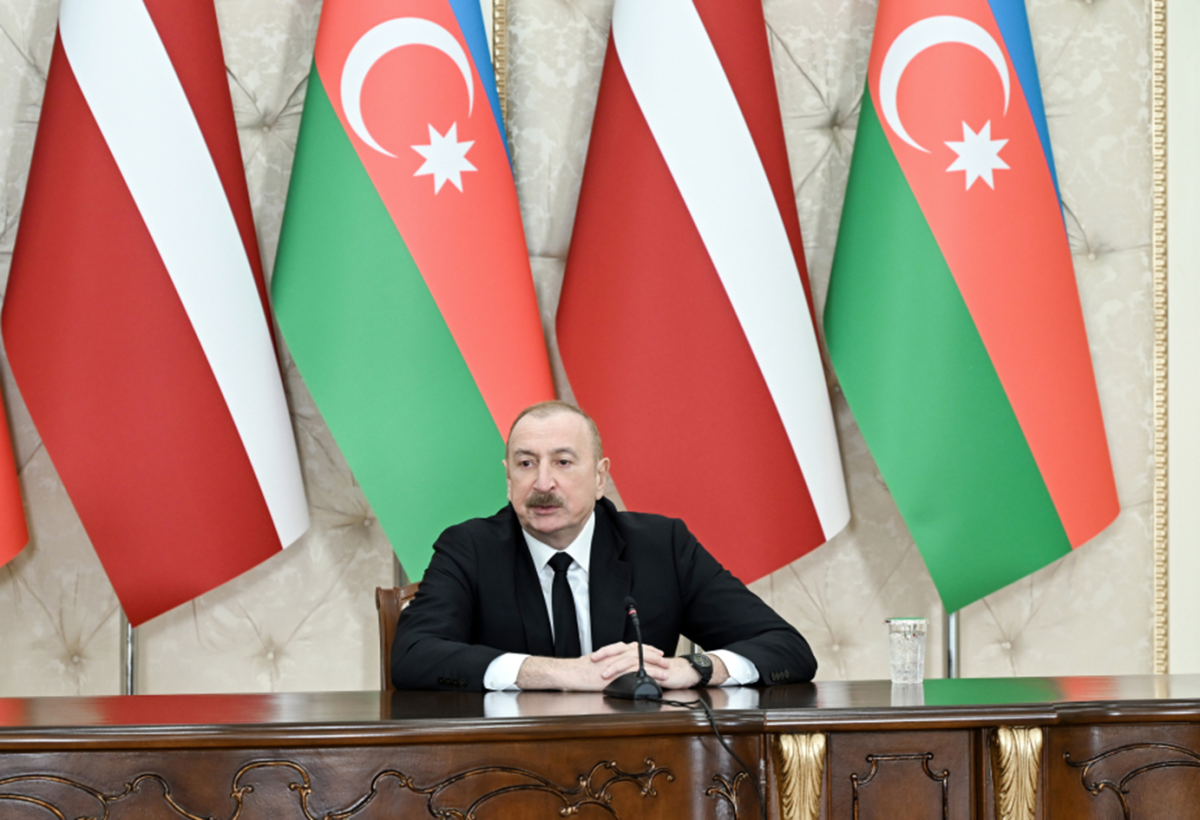
President of the Republic of Azerbaijan Ilham Aliyev delivered press statements on 22 April, 2026, Baku, Azerbaijan.
Azertag
Speaking to AnewZ's Anastasiya Lavrina on Inside Politics, Artis Pabriks, former Deputy Prime Minister of Latvia, said that “global relationships between countries are fragmenting,” stressing that states now “have to seek more friends and closer relationships to counter this fragmentation.”
Energy and regional connectivity
Trade between the two countries has grown significantly. In 2022, bilateral trade increased by 70% to $46 million, rising to $65 million in 2023, with Azerbaijani exports accounting for around two-thirds of the total.
President Rinkēvičs described Azerbaijan as a “strategic partner and friend,” emphasising the importance of political and economic cooperation.
He specifically highlighted the Trans-Caspian Transport Corridor, stating:
“We see the role of Azerbaijan, especially in the Trans-Caspian Transport Corridor and in the energy field, as a strategic value not only for Latvia but also for the European Union in general.”
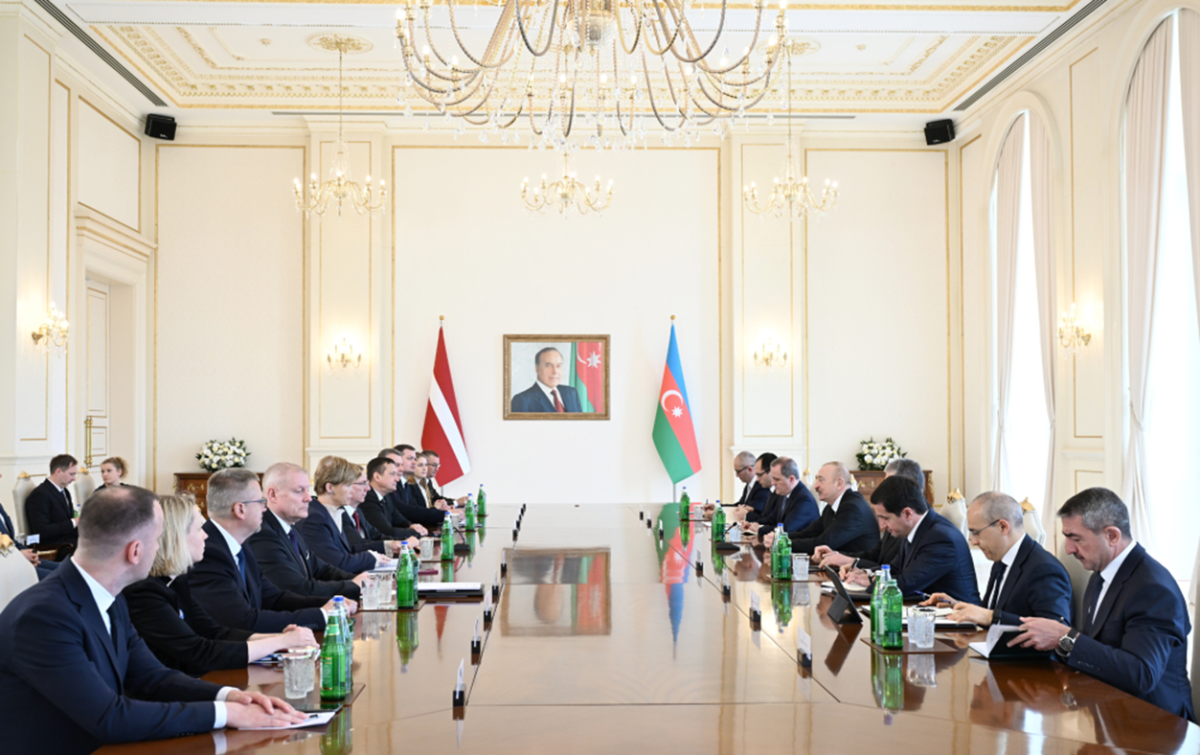
President of the Republic of Azerbaijan Ilham Aliyev held an expanded meeting with President of the Republic of Latvia Edgars Rinkēvičs, on 22 April, 2026, Baku, Azerbaijan.
Azertag
Pabriks reinforced this view, saying routes linking the Caspian Sea, Black Sea, Türkiye and Europe can be “reconnected”, while north–south corridors are becoming increasingly important due to shifting global trade patterns and geopolitical pressure.
He also pointed to broader geopolitical risks, particularly in the Middle East, saying tensions around Iran are creating added pressure on Europe’s energy markets and trade routes.
President Aliyev briefed the Latvian president on the Armenia–Azerbaijan peace process, stating that there is already “de facto peace” and referencing progress following the Washington meeting in August 2025.
Rinkēvičs welcomed the developments, saying a peace agreement is “important for the security not only of the region but also for the whole globe.”
Pabriks described the situation as a geopolitical opportunity, saying that cooperation between Azerbaijan and Armenia could unlock “interesting opportunities for both sides,” particularly in transport and economic integration.
A number of bilateral documents were exchanged, including:
Joint Statement between the Presidents of Azerbaijan and Latvia
Cooperation agreement between interior ministries
Declaration of intent on agriculture cooperation
Memorandum on consular cooperation
Agreement on plant health and protection
2026- 2027 border cooperation plan
Officials said these agreements aim to strengthen institutional and sectoral ties.
Business forum and economic outlook
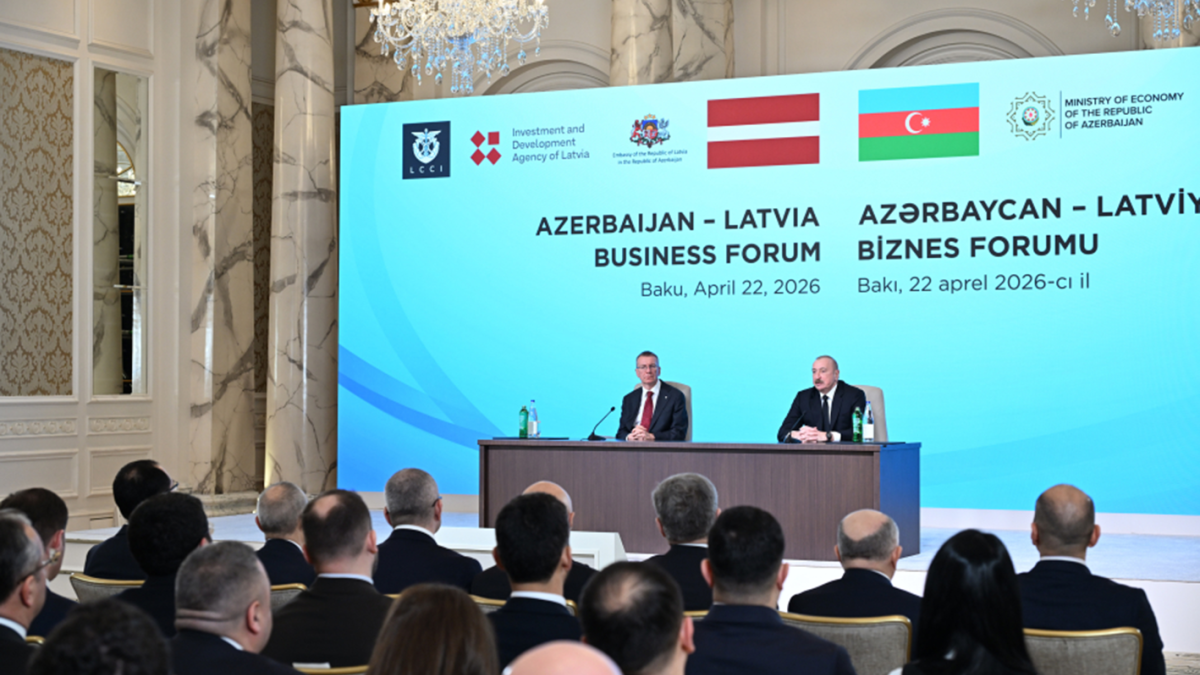
An Azerbaijan-Latvia business forum was held with the participation of both presidents, focusing on expanding trade and investment opportunities.
An Azerbaijan-Latvia business forum was held on 22 April, 2026, Baku, Azerbaijan.
Azertag
President Aliyev expressed confidence in “good results” from the visit, while President Rinkēvičs described the talks as “very positive, pragmatic, and oriented towards future cooperation.”
The visit also included a tour of Baku White City, where redevelopment projects were presented as part of Azerbaijan’s broader urban transformation agenda.
Watch the full interview with Artis Pabriks on Inside Politics with Anastasiya Lavrina, on Wednesday night at 20:20 CEST.
Leaders of countries from the Commonwealth of Independent States (CIS) have agreed to hold coordinated population censuses around 2030. They took the decision at the CIS Council of Heads of State meeting in Awaza, Turkmenistan on Friday, media reported.
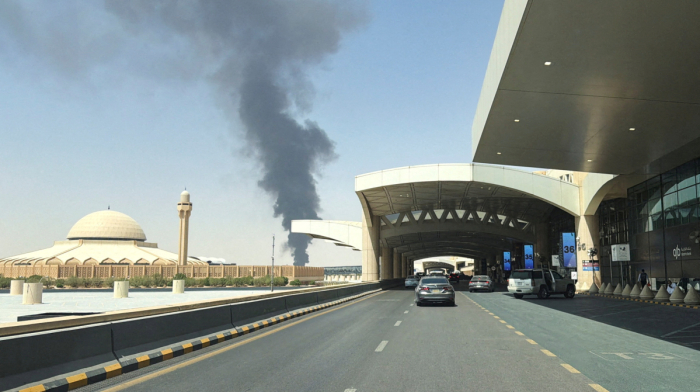
The explosion at King Khalid International Airport in Riyadh on Saturday afternoon killed at least 12 people and injured a further 309, according to Saudi Arabia’s Civil Aviation Authority. The airport remains closed until further notice.
Britain and Israel have reached a temporary compromise over the future of the British Consulate General in East Jerusalem, easing a diplomatic dispute that had threatened to further strain relations between the two countries.
South African judge Navanethem “Navi” Pillay won the Nobel Peace Prize on Friday “for her efforts to promote peace and international law,” the Norwegian Nobel Committee said.
The U.S. has imposed sanctions on the International Criminal Court (ICC) on Friday (9 October) escalating tensions with European allies and potentially targeting companies that provide services to the tribunal. The move came hours after former ICC judge Navi Pillay won the Nobel Peace Prize.
The explosion at King Khalid International Airport in Riyadh on Saturday afternoon killed at least 12 people and injured a further 309, according to Saudi Arabia’s Civil Aviation Authority. The airport remains closed until further notice.
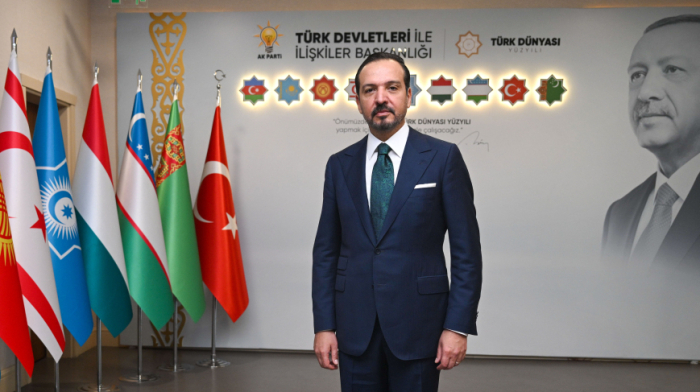
Turkic states are assessing the feasibility of passport-free travel between countries using national ID cards, Kürşad Zorlu, the Deputy Chairman of Türkiye’s ruling AK Party said on Saturday.
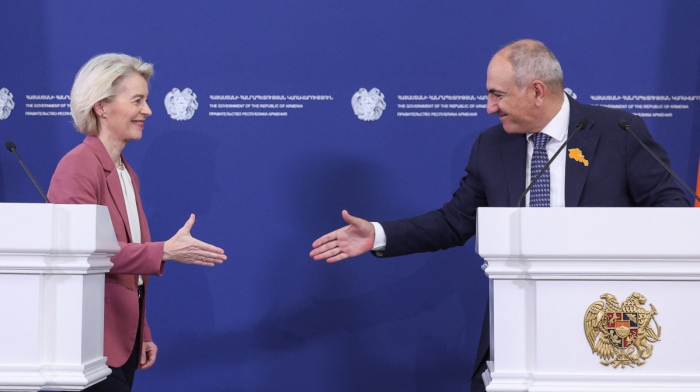
European Union measures suspending import duties on 80 per cent of Armenian exports to the bloc came into effect on Saturday. The temporary liberalisation measures are aimed at supporting Armenian producers and exporters following trade restrictions imposed on the country's products by Russia.
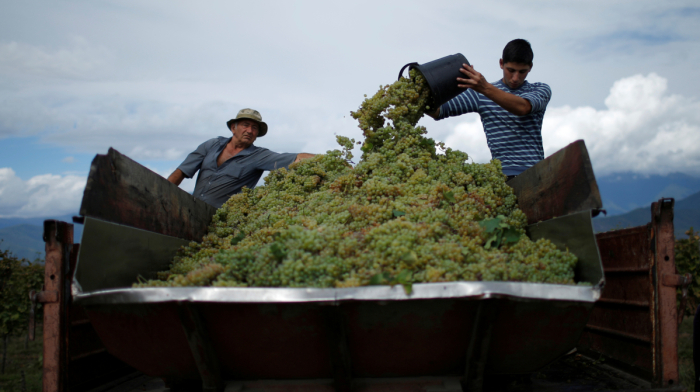
Georgia is enjoying one of its biggest and highest-quality grape harvests since independence. By 6 October, growers in the country's main wine-producing region, Kakheti, had delivered 182,210 tonnes of grapes, with 99 per cent rated medium or high quality, despite recent protests over prices.
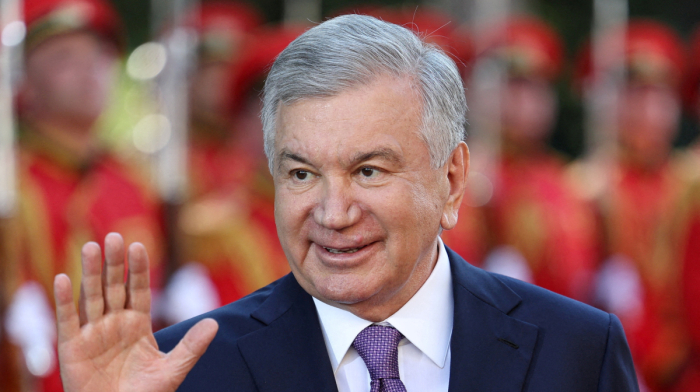
Uzbekistan has unveiled plans to deepen economic ties with Central Asia and Azerbaijan, proposing shared artificial intelligence infrastructure, a critical minerals alliance and a regional trade strategy extending to 2035.
Download the AnewZ app
You can download the AnewZ application from Play Store and the App Store.












What is your opinion on this topic?
Leave the first comment