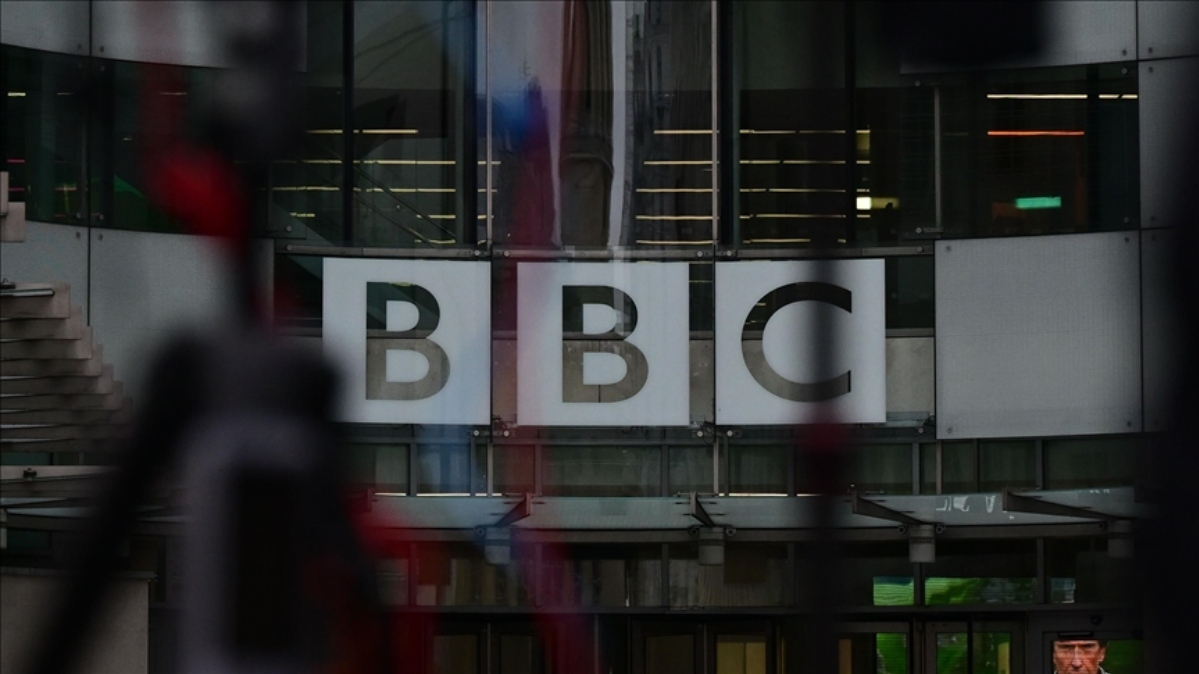
Georgia’s ruling party has launched a formal legal challenge against the BBC, accusing the British public broadcaster of spreading false, defamatory, and politically charged allegations.
In the official complaint the party demanded a public apology and the removal of a film and related publications that alleged Georgian law enforcement used a World War I-era chemical weapon during protests.
The announcement was made by Speaker of Parliament Shalva Papuashvili, who described the BBC’s reporting as inaccurate, one-sided, and in violation of fundamental journalistic standards.
According to Papuashvili, the complaint is fully grounded in the BBC’s own editorial principles, the UK Office of Communications (Ofcom) Broadcasting Code, and the case law of the European Court of Human Rights.
He argued that the BBC failed to meet the highest standards of accuracy required when disseminating serious allegations, presenting unverified claims as established facts.
The ruling party maintains that Georgian law enforcement never possessed or used the chemical substance referenced in the broadcaster's film and says it ignored official findings confirming this.
Georgian Dream also accuses the British Broadcaster of violating the principle of impartiality by advancing a clearly one-sided narrative, portraying the Georgian government as violent and pro-Russian while excluding official explanations and contextual information.
Another key issue cited is the alleged violation of the right to reply. Papuashvili stated that Georgian authorities were contacted only days before the broadcast, a practice he said contradicts BBC guidelines requiring meaningful engagement when serious reputational damage is at stake.
Under UK law, complaints must first be submitted to the media outlet itself. Georgian Dream says it has followed this procedure and warns that if the BBC does not correct the alleged violations, the case will be escalated to Ofcom.
Further legal steps could include proceedings in UK courts and, ultimately, an appeal to the European Court of Human Rights.
The party argues that the scale and nature of the alleged violations suggest a politically motivated campaign aimed at damaging Georgia’s international reputation rather than informing the public through balanced journalism.
Georgian authorities point to a completed investigation by the State Security Service as a key element in disputing the BBC’s claims.
According to the agency, more than 160 investigative actions were conducted and 93 witnesses interviewed, including law enforcement officials, medical experts, NGO representatives, and individuals cited in the BBC report.
The investigation concluded that Georgian police never purchased or used the banned chemical substance bromobenzyl cyanide, known as “Kamit.”
Instead, forensic examinations determined that the crowd-control agent used during protests in early December 2024 was chlorobenzylidene malononitrile (CS gas), dissolved in propylene glycol — substances that are not prohibited under international conventions.
Chemical samples seized from Interior Ministry depots were analysed at the Levan Samkharauli National Bureau of Forensic Science, while customs records showed long-standing, legally documented imports of the substances involved.
The State Security Service also noted that medical data from the period showed only mild intoxication cases among a limited number of protesters, findings it says are inconsistent with exposure to “Kamit,” which is internationally recognized as potentially lethal.
However, the complaint has intensified political confrontation inside Georgia. Opposition figures, including Giorgi Sioridze of Lelo–Strong Georgia, dismissed the legal move as an attempt to divert attention from unresolved questions surrounding the alleged poisoning of protesters.
Sioridze argues that only an independent international investigation can establish the truth and accuses the government of staging a media spectacle instead of ensuring transparency.
Internationally, the BBC’s reporting previously drew reactions from foreign officials and advocacy groups, amplifying scrutiny of Georgia’s protest response and embedding the allegations into broader geopolitical narratives.
Georgian Dream contends that these reactions were fueled by a predetermined storyline rather than verified evidence.
At its core, the dispute raises complex questions about accountability in international journalism, the limits of editorial freedom, and the legal remedies available to states and political actors facing reputational damage from global media outlets.
The outcome may influence how international broadcasters handle high-risk allegations and how cross-border media disputes are adjudicated in the future.










What is your opinion on this topic?
Leave the first comment