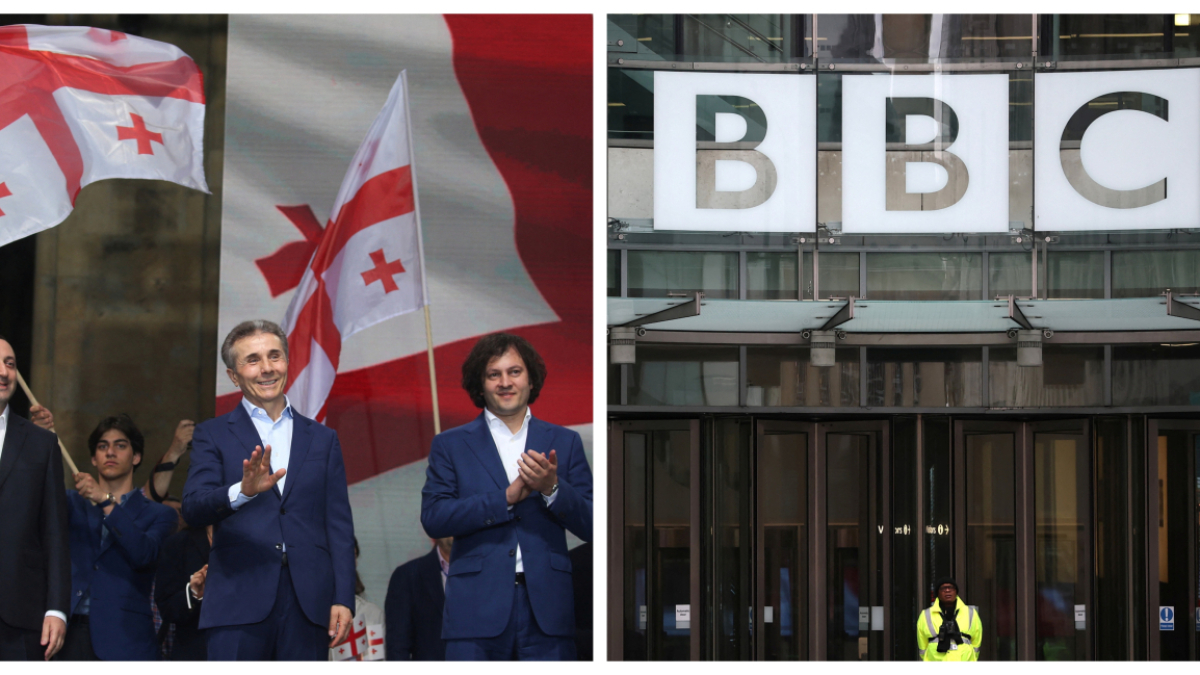
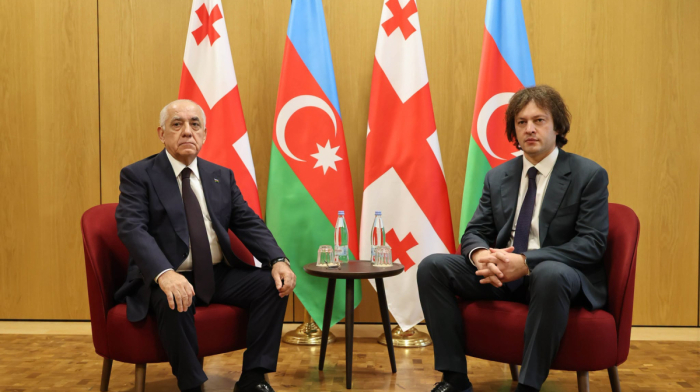
The Georgian Dream party says it has taken legal action against British Broadcaster BBC following an accusation of defamation in article published about protests in Tbilisi, the Georgian capital.
In a statement published on Monday, the organisation said the investigation referenced in the article is based on lies and did not provide a single evidence to support the claims in the article.
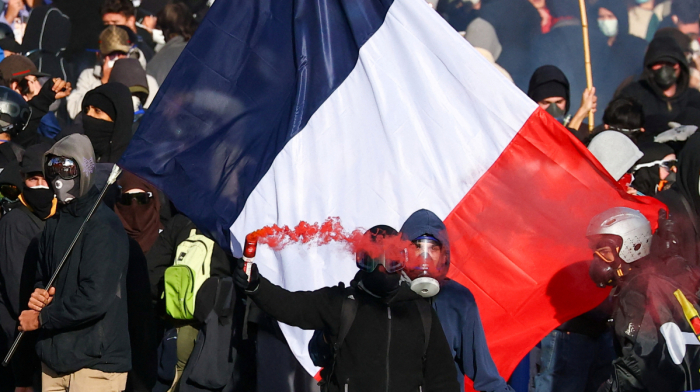
The BBC had published an article on Monday where it alleged that Georgia's authorities used a World War One-era chemical weapon against anti-government protesters in 2024.
The broadcaster said it spoke to chemical weapons experts, whistleblowers from Georgia's riot police, and doctors while researching the allegations.
It then said it found the evidence points to the use of an agent that the French military named "camite".
One doctor particularly, Konstantine Chakhunashvili said he was sprayed during the protests and that he experienced long term symptoms after the event.
His appeal for people in the same situation caused around 350 people to respond with almost half saying they suffered one or more side effects.
The Georgian dream rejected Chakhunashvili’s testimony, saying he was an active participant in the illegal protests.
It also added that his father, Giorgi Chakhunashvili personally participated in the on 4th October protests where protesters physically invaded the yard of the presidential palace of Georgia.
“The Communications Service of Georgian Dream had an active communication with "investigative journalist" before the publication of the article.
We have prepared perfect and punctual answers to absolutely every question the BBC has posed” it said.
It then said it received serious accusations against the government based on a narrative that has nothing to do with reality.
“We decided to launch a legal dispute against fake media at the International Court of Justice.
We will use every possible legal means to hold the so-called media accountable for spreading dirty, false accusations.”
The BBC is currently facing threat of legal action from U.S. President Donald Trump and accusations of bias following a misleading edit of Donald Trump’s 6th January 202 speech.
The organisation has since apologised for an “error of judgement” over the edited portion of the same speech that aired on its flagship programme in 2024.
The backlash led to the resignation of the BBC’s director general Tim Davie and its head of news Deborah Turness.









What is your opinion on this topic?
Leave the first comment