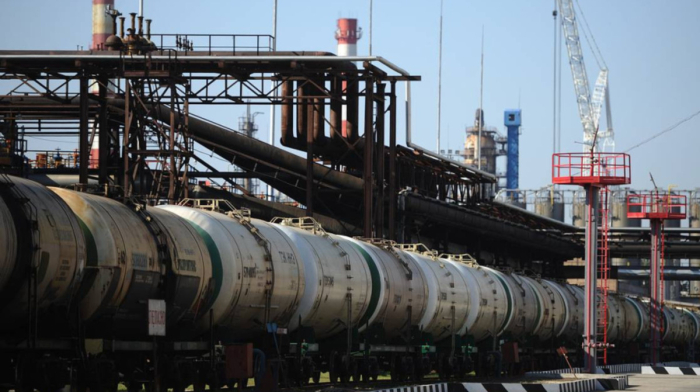
Azerbaijan has begun exporting oil products to Armenia, with the first shipment delivered on 18 December 2025. It marked a notable milestone in the peace process and efforts to deepen economic cooperation between the two long-time rivals.
The fuel export is one in a series of trust-building steps aimed at restoring regional connectivity.
It was agreed during talks on 28 November in Gabala, northern Azerbaijan, where Deputy Prime Minister Shahin Mustafayev met his Armenian counterpart Mher Grigoryan.
Speaking to AnewZ, Murad Muradov, Deputy Director at the Topchubashov Centre, described the shipment as an important confidence-building measure, stressing that symbolism and substance should not be viewed separately.
“I think it’s a very important step in terms of confidence building, first of all,” Muradov said, noting that energy cooperation had been discussed as a peace-building tool as far back as the 1990s.
“Economic cooperation can always be an important bridge towards peace.”
He added that the distinction between symbolic gestures and practical measures is not clear-cut.
“I don’t see why these relatively low-risk steps cannot serve as real confidence-building measures, leaving a long-lasting impact,” he said.
Muradov underlined the symbolic importance of selling Azerbaijani-produced fuel directly to Armenia, particularly after recent grain transit through Azerbaijan.
“Selling fuel, which is produced in Azerbaijan, is an even more significant and symbolic step,” he said, expressing hope that it would “help to cement the positive momentum that we have been enjoying since the Washington memorandum in August.”
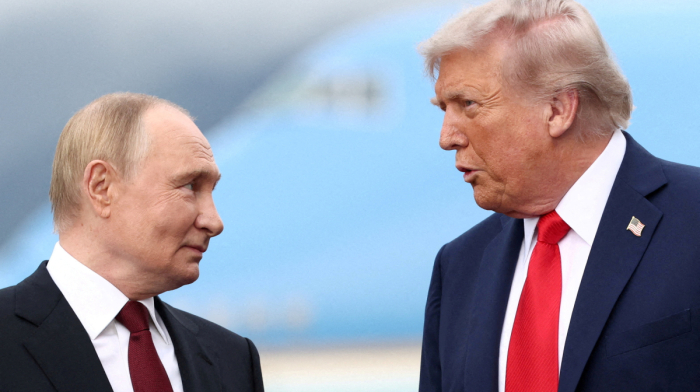
Azerbaijan and Armenia signed a memorandum in Washington on 8 August in the presence of President Donald Trump, marking a key step in efforts to advance the peace process between the two countries.
He said that since the Washington agreement, both governments have sought to translate diplomatic dialogue into tangible outcomes.
“The reality is that after the Washington agreement, we have a certain momentum between the governments, which they have been trying hard to transform into more lasting and sustainable achievements on the ground,” Muradov noted.
While the arrangement carries limited political or economic risk and does not bind Azerbaijan to long-term commitments, Muradov argued its broader impact lies in how it is perceived by the public.
“It creates a new reality where the Armenian society can hear the news that, yes, Azerbaijani petrol has been obtained by Armenia, and probably their personal car is using this petrol,” he said.
Armenian Prime Minister Nikol Pashinyan’s public acknowledgement of the shipment also sends a positive political signal, Muradov added, despite domestic and international criticism.
“The fact that Prime Minister Pashinyan openly recognised it is also a big signal that we have this momentum,” he said, suggesting Yerevan appears prepared to defend the process.
Muradov concluded that while the energy trade does not amount to a binding agreement, its everyday visibility could help reinforce public acceptance of peace.
“I think it is important in terms of promoting the impression of the inevitability of the peace process, which is crucial if it is to be truly long-term and sustainable.”











What is your opinion on this topic?
Leave the first comment