Sudan crisis: ICC warns of ‘calculated’ atrocities spreading across Darfur
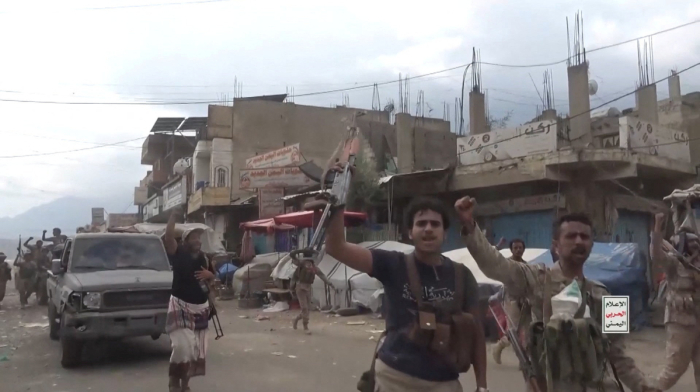
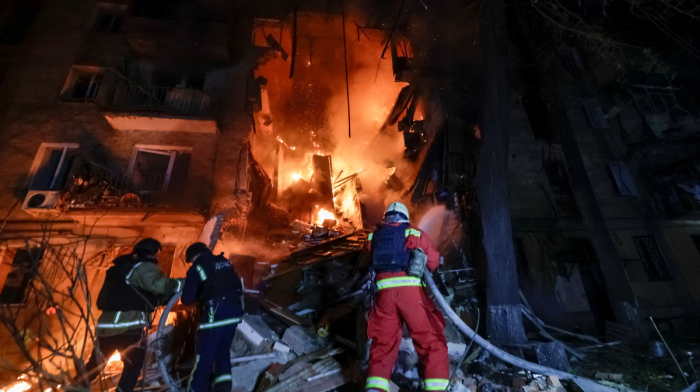
A "calculated campaign" of mass executions, sexual violence, and ethnic targeting is sweeping through Sudan’s Darfur region, the International Crimi...
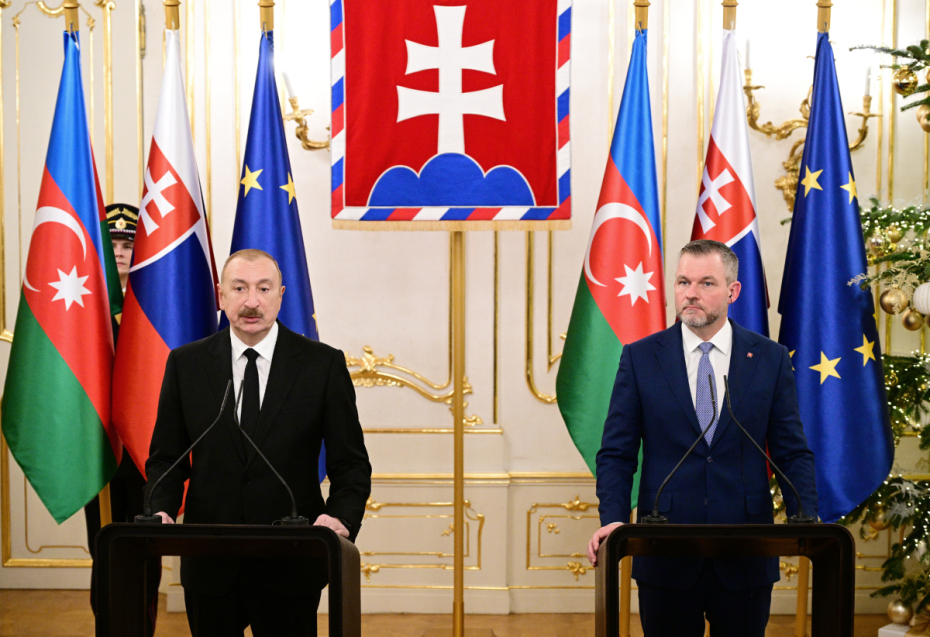
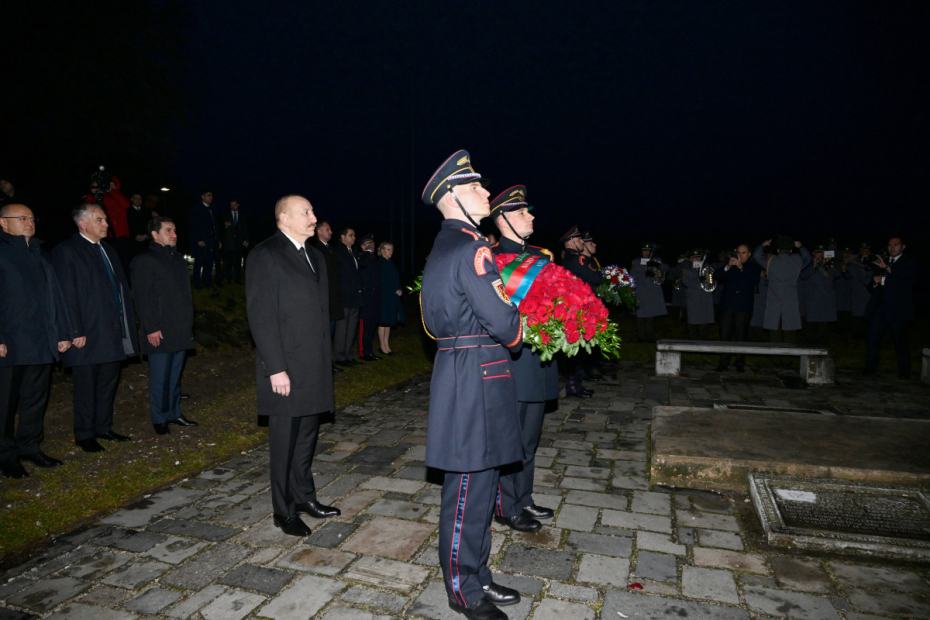
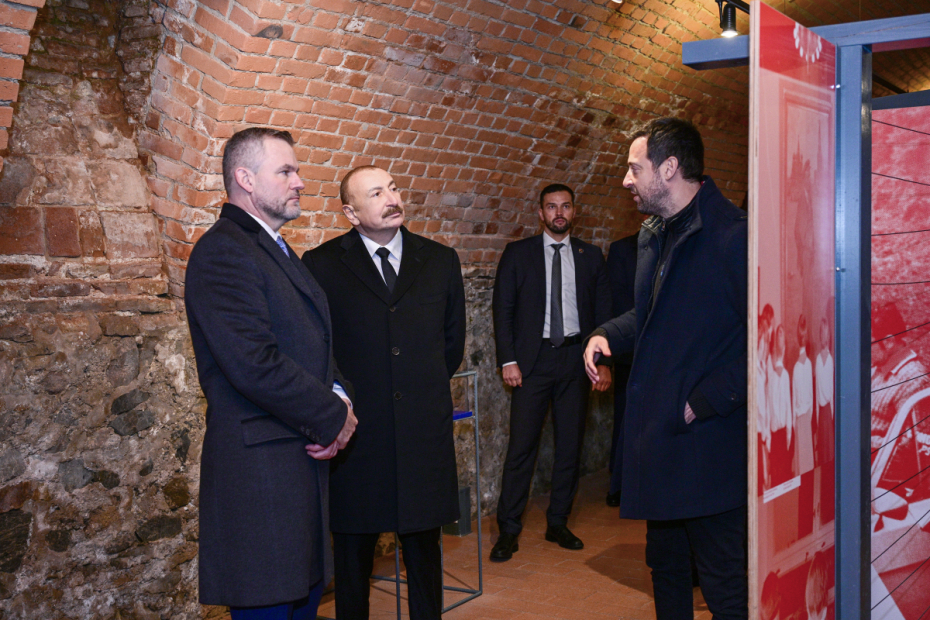
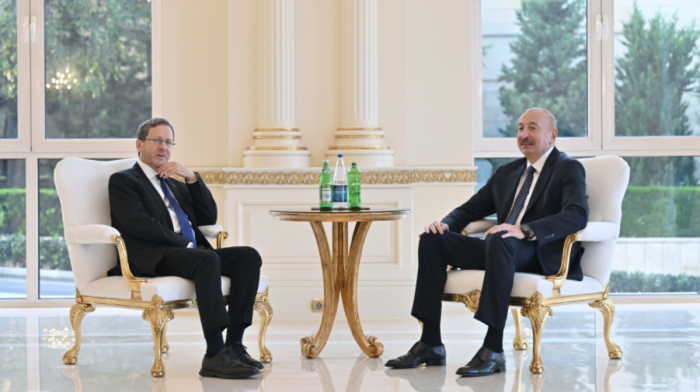
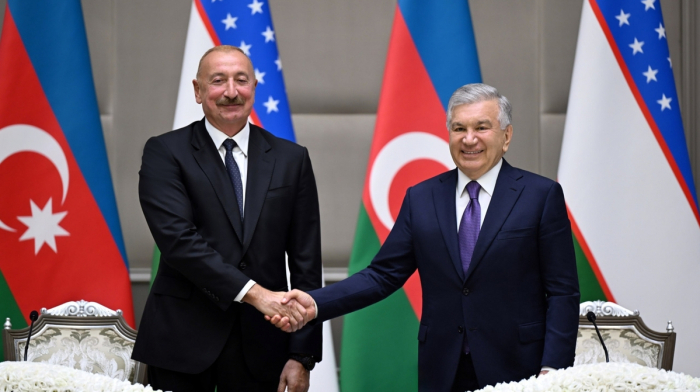
Azerbaijan and Slovakia are set to strengthen bilateral ties and cooperation as President Ilham Aliyev meets Richard Raši, Speaker of the National Council of the Slovak Republic on Tuesday, 9 December.
Speaker Raši warmly welcomed the Azerbaijani leader in Bratislava, praising the strong diplomatic bonds between the two nations.
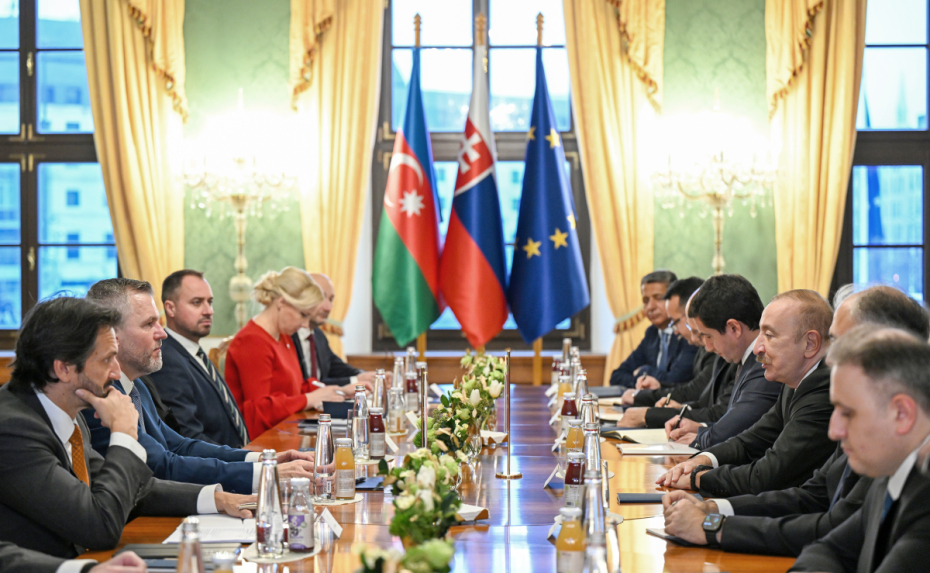
During the talks, the two leaders reviewed prospects for deepening cooperation and highlighted the importance of the Joint Declaration on Strategic Partnership signed earlier between the two nations.
They discussed collaboration in energy security, trade, and regional connectivity, emphasizing Azerbaijan’s role as a reliable energy supplier to Europe.
Speaking after the meeting, President Pellegrini described the visit as a “new stage in Slovak–Azerbaijani relations,” while President Aliyev said the partnership between the two countries was already “strategic in nature.”
President Ilham Aliyev also participated in an expanded meeting with Slovak officials.
Speaking to AnewZ on Daybreak, Member of Parliament of Azerbaijan Tural Ganjali said the visit marks “a new era” in Azerbaijan–Slovakia relations at a time of rising geopolitical uncertainty in Europe.
Ganjali added that despite geographical distance, the two countries have “common goals and mutual interests that strengthen political dialogue and deepen cooperation.”
He also stressed Azerbaijan’s central role in the Middle Corridor, noting that the transit route “cannot function without Azerbaijan’s participation and contribution.”
Ganjali said the project represents a major opportunity for Slovakia and the European Union, with Azerbaijan acting as a gateway to Central Asia, the South Caucasus, and the Caspian region.
Ongoing investments in infrastructure, including the expansion of the ALAT seaport — further enhance Azerbaijan’s ability to connect Europe and Asia, making the Middle Corridor a vital component of future trade, logistics, and regional connectivity.

Italian fashion designer Valentino Garavani has died at the age of 93, his foundation said on Monday.
European leaders voiced growing alarm on Sunday over U.S. threats to impose tariffs on eight NATO allies, warning the move could destabilize transatlantic relations and heighten tensions in the Arctic.
Syrian President Ahmed al-Sharaa has signed a decree recognising Kurdish language rights, as government forces advanced against U.S.-backed Kurdish-led fighters despite U.S. calls for restraint.
Speaking on Armenian public radio on 9 January, Armenia’s Minister of Economy Gevorg Papoyan made some important announcements for 2026. Among them, discussions between Yerevan and Baku over the range of products Armenia can potentially export to Azerbaijan.
More than 100 vehicles were involved in a massive pileup on Interstate 96 in western Michigan on Monday (19 January), forcing the highway to shut in both directions amid severe winter weather.
Syrian government troops tightened their grip across a swathe of northern and eastern territory on Monday after it was abruptly abandoned by Kurdish forces in a dramatic shift that has consolidated President Ahmed al-Sharaa's rule.
Syria's Interior Ministry said on Tuesday that about 120 Islamic State detainees escaped from Shaddadi prison, after the Kurdish website Rudaw reported that a spokesperson for the Kurdish-led Syrian Democratic Forces, Farhad Shami, said around 1,500 Islamic State members had escaped.
Turkish President Recep Tayyip Erdoğan said on Monday (19 January) that an agreement reached between the Syrian government and Kurdish-led forces must be implemented swiftly, including the full integration of fighters, as Ankara pushes for lasting stability in Syria.
Azerbaijan is commemorating the 36th anniversary of the events of 20 January 1990, known as Black January, one of the most defining and painful chapters in the country’s modern history.
Iran is signalling to the United States that it retains the capacity to destabilise key regional and global interests, particularly energy markets, according to political analyst Chingiz Mammadov, Research Alumni at the National Endowment for Democracy.
You can download the AnewZ application from Play Store and the App Store.
What is your opinion on this topic?
Leave the first comment