





15:42 CET
Russia-Ukraine
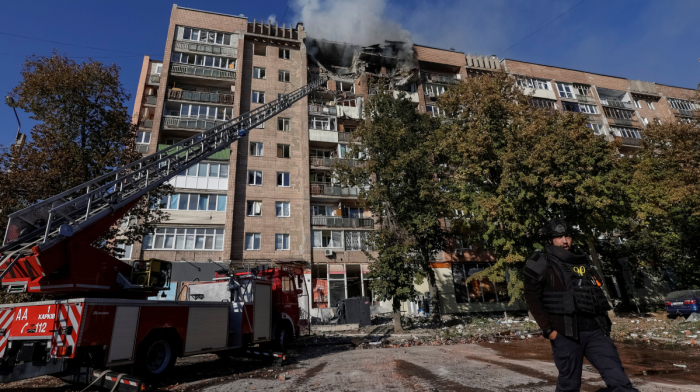
live Russian strikes kill three, damage dozens of power facilities
Russian strikes killed ...
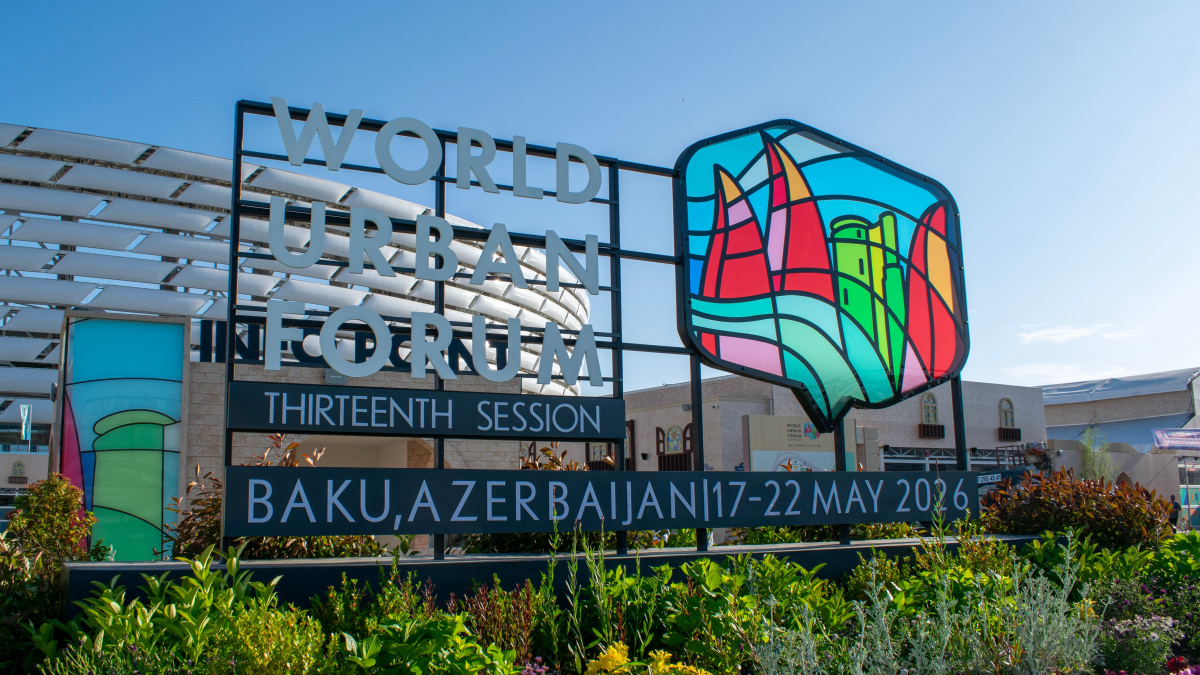


As the 13th edition of the World Urban Forum ended, Azerbaijan's Pavilion showcased reconstruction efforts in its liberated territories and foregrounded the importance of mine removal in resettlement efforts.
“The 13th Session of the UN World Urban Forum (WUF13) plays an important role in promoting practical solutions and the exchange of experiences on sustainable urban development,” said Kazuko Ishigaki, Regional Director of the UN-Habitat Regional Office for Asia and the Pacific, during the panel session titled “The Rechargeable Landscape: Powering Sustainable, Resilient Housing with Nature-Based Systems,” held within the framework of WUF13.
According to her, one of the main outcomes of the discussions held within WUF13 was the narrowing of the existing gap between policy and implementation.
“Successful housing and urban development policies can only translate into real results if capacities are strengthened at the local level,” Kazuko Ishigaki underlined.
Ahead of the the closing ceremony of the World Urban Forum 13 in Baku, Anacláudia Rossbach, Executive Director of UN-Habitat, said the size and diversity of this year's event showed the increasing importance of housing and urban development to societies.
"Never before has a forum of this nature brought together such as vast and diverse global audience, reflecting the growing recognition that housing and sustainable urban development are central to our collective future," she said.
At the official closing press conference of the World Urban Forum in Baku, Mexican Ambassador to Azerbaijan, María Victoria Romero Caballero thanked Azerbaijan, UN-Habitat and participants for what she described as a successful and well-organised forum.
She praised the hospitality of the Azerbaijani people and the role of young volunteers, saying:
“Our deepest gratitude for your support, generosity, and making our staying in Azerbaijan a successful experience.”
She also acknowledged the support of the United Nations Human Settlements Programme in ensuring meaningful participation and coordination throughout the forum.
Highlighting Mexico’s strong presence, she noted that the delegation included senior officials such as the Minister for Urban Planning, the Governor of Mexico City and the Vice Minister of Foreign Affairs.
Looking ahead, she said preparations for World Urban Forum had already begun, with Mexico City government and UN-Habitat starting coordination work on governance models and planning.
“My colleagues from Mexico City government, along with UN-Habitat, will start the coordination towards establishing teamwork, governance models, strategic points, and all the heavy work modelling World 14.”
She added that WUF14 would return to Latin America after 14 years and would be the last forum before 2030, inviting participants with the words:
“Mi casa es tu casa (My home is your home).”
At the official closing press conference of the World Urban Forum in Baku, Anacláudia Rossbach, Executive Director of the United Nations Human Settlements Programme (UN-Habitat) said the forum underscored a global consensus on the urgent need to address the housing crisis and strengthen sustainable urban development.
She said the World Urban Forum had become “a global platform for collective action for the future of cities,” highlighting broad participation from governments, cities, experts, civil society and youth.
Rossbach noted the scale of engagement, with more than 57,000 participants from over 176 countries, alongside 865 media representatives and extensive high-level attendance from heads of state, ministers and mayors.
She warned that housing has evolved into a systemic global challenge.
“Housing is no longer a sector issue. It is a systemic challenge that shapes inequality, opportunity, resilience, and stability and peace in our cities and societies.”
She said the crisis is being driven by affordability pressures, displacement and climate vulnerability, stressing the need for integrated responses across housing, land, finance, infrastructure and governance.
Rossbach also welcomed the emerging “Baku Call to Action”, saying it reflects shared priorities from WUF13, including scaling up housing solutions, empowering local governments and advancing climate-resilient and inclusive cities.
“The key priorities that emerged from this week include addressing the scale of the housing crisis, empowering local action, partnerships, and advancing climate-resilient and inclusive urban transformation.”
She added that the outcomes of WUF13 will feed into UN-Habitat’s global work on sustainable development, housing and climate agendas, as well as preparations for future forums.
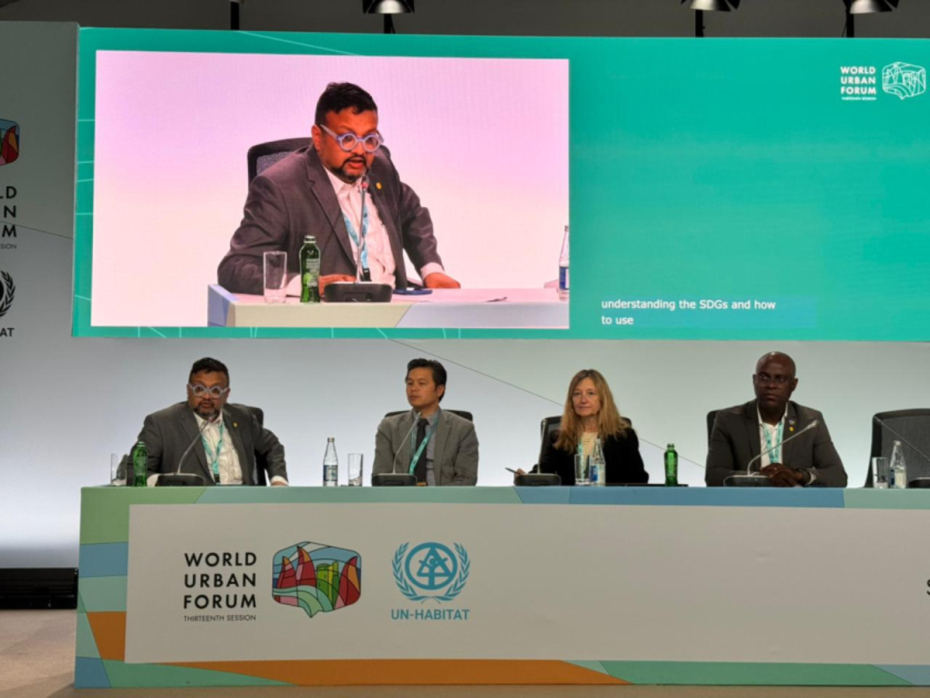
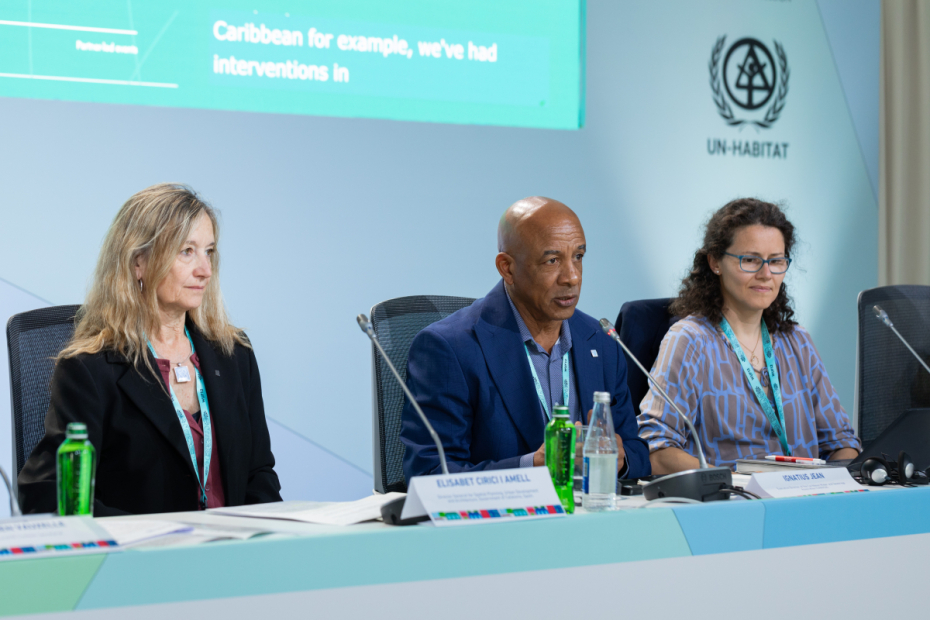
A panel discussion titled “From Goals to Homes” was held in Baku on 22 May as part of the 13th Session of the World Urban Forum, focusing on sustainable urban development and the global housing challenge.
Organised by the International Union of Architects, the session brought together international experts to discuss urbanisation trends, city planning and the importance of ensuring access to affordable housing.
The discussion was moderated by Rui Leão.
Among the speakers were Jose Chong, Elisabet Cirici Amiell and Vity Nsalambi.
Participants discussed the implementation of the Sustainable Development Goals (SDGs) at both local and international levels, outlining how urban planning and architecture can contribute to more inclusive and sustainable cities.
Speakers stressed that access to housing is a fundamental human right and warned that housing shortages remain one of the world’s most pressing urban challenges. They also underlined the role architects can play in advancing sustainable development through both public policy and private sector initiatives.
The session additionally highlighted the upcoming World Congress of Architects in Barcelona, which is expected to focus on solutions to the global housing crisis and the future of sustainable urban environments.
The application of innovative technologies and data systems toward upgrading informal settlements in Latin America was discussed as part of the 13th Session of the World Urban Forum (WUF13).
The event brought together government officials, international organisations, civil society institutions, and development partners to exchange experiences regarding technological tools that support the development of informal settlements.
Innovative solutions, such as urbanisation observation platforms, land registries, open data systems, and geographic information technologies, were presented during the session. It was noted that these tools strengthen evidence-based decision-making, support the comprehensive renewal of neighborhoods, and contribute to the gradual realisation of the right to adequate housing.
Organisations such as Guatemala's Ministry of Communications, Infrastructure, and Housing, as well as the Secretariat for Central American Social Integration, participated as partners in the event.
The official closing press conference of WUF13 will formally conclude the 13th session of the World Urban Forum and present the key achievements, discussions and messages that emerged throughout the week.
Anar Guliyev, WUF13 National Coordinator, Chairman of the State Committee on Urban Planning and Architecture of Azerbaijan, said the World Urban Forum in Baku served as “a platform for action” aimed at addressing the global housing crisis and advancing sustainable urban development.
Speaking at the forum’s closing press conference, Guliyev said more than 115,000 people took part in discussions and events held across nine cities during “Baku Urban Week”, while over 1,000 accredited media representatives provided global coverage of the forum.
He highlighted youth involvement, noting that around 2,500 volunteers supported the event, which he described as one of WUF13’s key legacies.
“The theme of WUF13 placed housing at the centre of the global urban agenda and reaffirmed that access to adequate, affordable, safe and resilient housing remains one of the defining challenges of our time,” Guliyev said.
He stressed that addressing the housing crisis would require “effective multilateralism, stronger partnerships, innovative financing and coordinated actions at all levels”, while also pointing to new initiatives on clean air, green infrastructure and climate-resilient urban recovery.
More than 250,000 mines and unexploded devices have been cleared in Azerbaijan in the last five years and six months, Vugar Suleymanov, Chairman of the Azerbaijan Mine Action Agency (ANAMA), has told the World Urban Forum 13 (WUF13).
"Since November 2020, more than 270,000 hectares of land have been cleared, and over 250,000 mines and unexploded ordnance have been detected and neutralised,” he told an event at WUF13 on Friday (22 May).
“Azerbaijan has taken large-scale steps toward resolving this problem since the conclusion of the Patriotic War in 2020," Suleymanov said.
He added that the threat of mines internationally slows down recovery processes, limits development oppertunities and puts people's safety at risk.
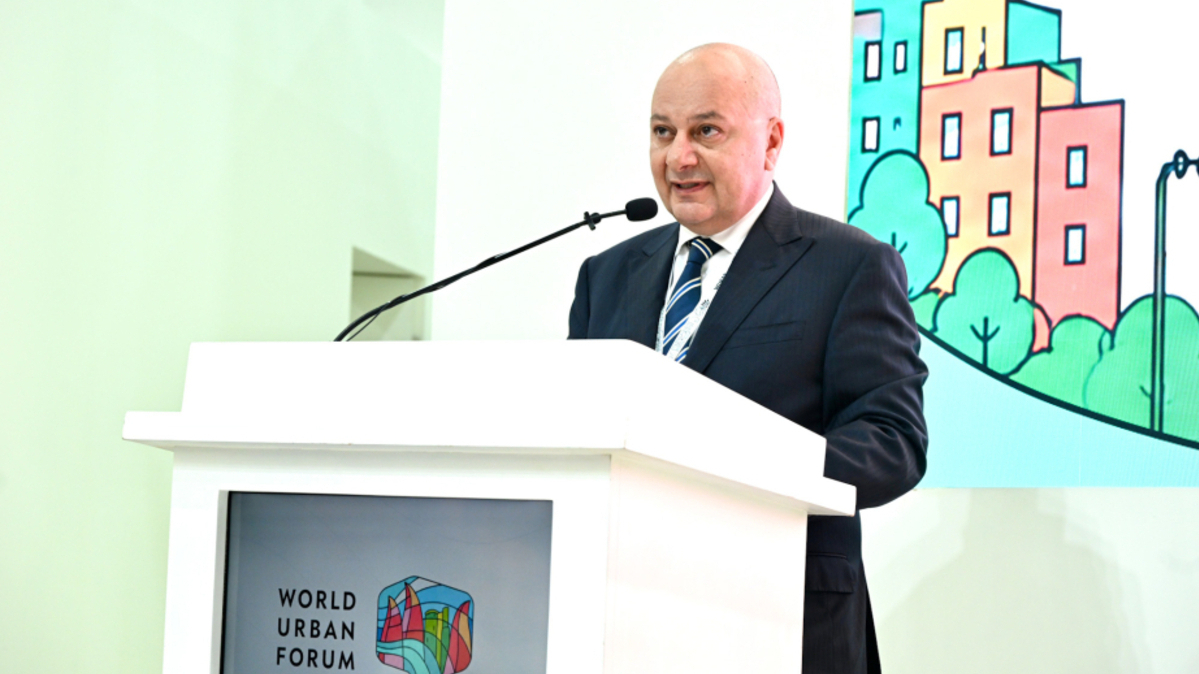
African officials and policy makers have discussed the continent's deepening housing crisis at an event at the World Urban Forum 13 in Baku.
The session also brought together, investors, financial institutions and international organisations as part of a coordinated effort to address Africa's housing problems.
During the event, participants looked at new financing models and partnership structures to help close a projected $650 billion funding gap in the sector.
Fatima Sirleaf, Liberia's Deputy Minister of Urban Affairs, said housing and dignity were inextricably linked.
"Most people in Africa are living in informal settlements and they have no dignity. We're now moving to where we're giving women housing, not just as a house to sleep in, but making sure her diginity is restored [and] she's respected."
Hamat Bah, Gambia's Minister of Land and Regional Governments, said he thought countries on the continet were moving in the right direction.
"In general in terms of land ownership, we think countries are making progress so that investors can access land without them going through all the trouble that they go through now."
Leyla Aliyeva, Vice-President of the Heydar Aliyev Foundation and Founder and Head of the IDEA Public Union, and Arzu Aliyeva, Head of the Baku Media Centre, toured the Urban Expo exhibition, organised as part of the 13th Session of the United Nations World Urban Forum (WUF13) in Baku.
Leyla Aliyeva and Arzu Aliyeva reviewed the projects and innovative urban development solutions showcased across the national pavilions and stands of Azerbaijan and various participating countries.
During the exhibition, they met with participants and visitors, posing for commemorative photographs with them.
As the final day of the World Urban Forum 13 begins in Baku, here's a selection of photos from the event yesterday (May 21).
AnewZ's Sabina Abubekir reflects on events focused on housing, particuarly after crises, at the World Urban Forum 13 on Thursday (21 May).
Emin Huseynov, Special Representative of the President of Azerbaijan in Agdam, Fuzuli and Khojavend, tells her about resettlement progress in the liberated territories.
"In our regions alone, so far we have about 13,700 people already resettled, among them 7,000 in Agdam, and 3,000 each in Fuzuli and Khojavend. But this year alone we will try to resettle around 30,000 more of our citizens to their native homeland," he said.
Sami Hijjawi, Palestine's Minister of Local Government, has drawn parallels between the situation in Gaza and the West Bank and what happened in Garabagh.
He said 372,000 homes had been destroyed in Palestinian territories and that a "huge effort" was needed from the international community to support rebuilding efforts.
"This requires an international solidarity, support of the international community and the friends of the Palestinian people including Azerbaijan, of course, who has the same experience, maybe, as a result of what happened in Garabagh," Hijjawi added.
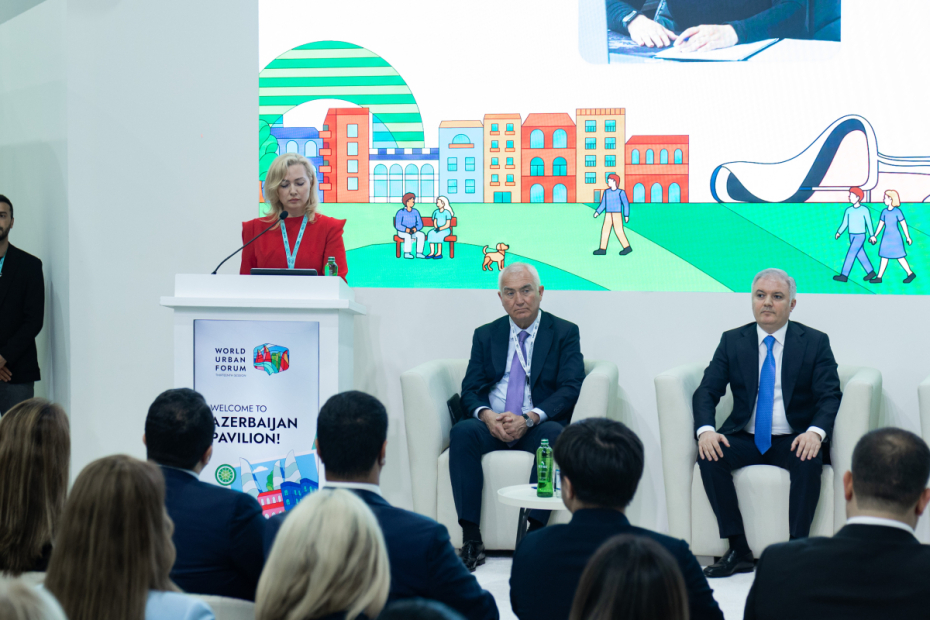
Azerbaijan's Pavilion will showcase sustainable reconstruction and resettlement efforts in the country's liberated territories on the final day of the World Urban Forum 13 in Baku.
The Mine Action Agency of Azerbaijan will also host an event looking at the critical role of mine removal in post-conflict regeneration work.
Elsewhere, there will be sessions on feminist cities, land governance and water-sensitive urban planning.

Russian strikes killed ...
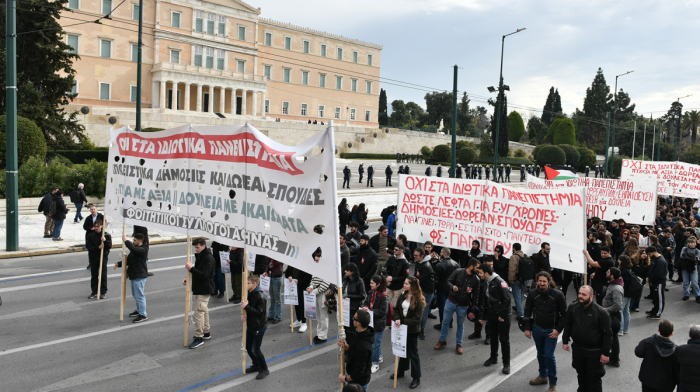
Greek students braved heavy rain to pitch tents outside parliament in Athens on Tuesday, demanding affordable housing and more education funding as...
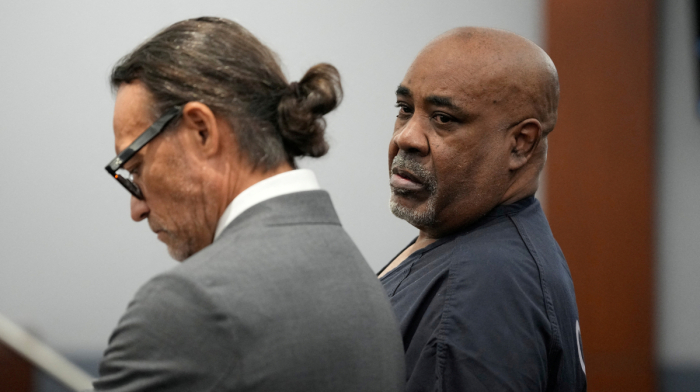
A former gang leader ...

The Saudi-led coalition in Yemen said late Monday that it intercepted and destroyed two ballistic missiles launched by the Houthi group toward Khamis Mushait in southwestern Saudi Arabia.
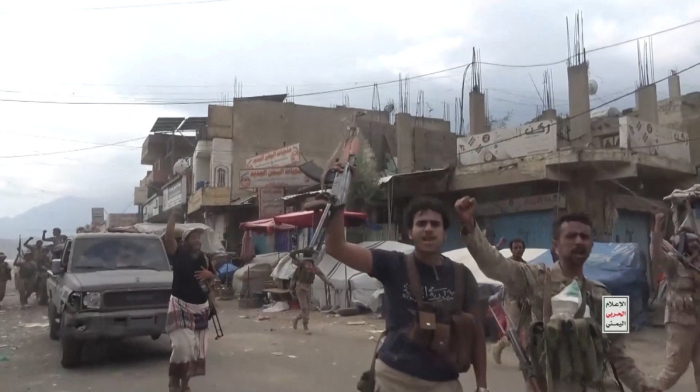
Yemen’s Houthis have claimed responsibility for the recent drone and missile strikes on Saudi Aramco facilities in Dhahran and Riyadh and at King Khalid International Airport in Saudi Arabia, vowing to carry out more attacks in the coming days.
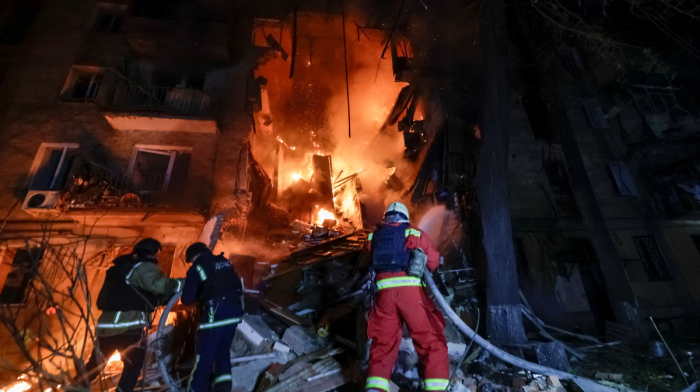
Ukrainian President Volodymyr Zelenskyy says Russia hit at least six energy targets in deadly strikes across Ukraine, showing Moscow is unwilling to accept the energy ceasefire announced by U.S. President Donald Trump.
The Kremlin on Monday rejected a 60-day ceasefire idea proposed by Ukrainian President Volodymyr Zelenskyy to allow his country to hold presidential elections, saying it wanted an overall peace deal instead.
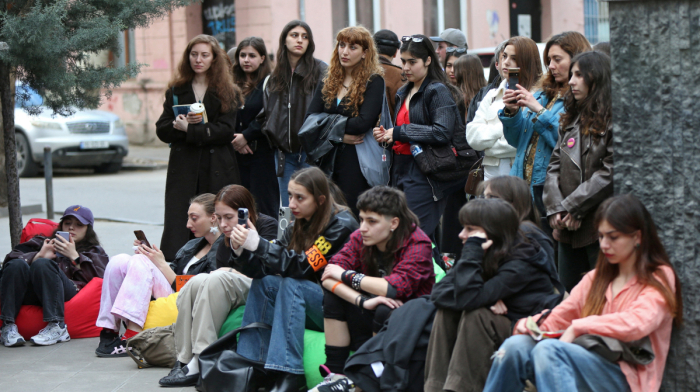
Thousands of young Georgians leave the country each year in search of better economic opportunities, with many moving west. As questions grow over Georgia’s European path, AnewZ spoke to people who have emigrated about what it would take for them to return.
Yemen’s Houthis have claimed responsibility for the recent drone and missile strikes on Saudi Aramco facilities in Dhahran and Riyadh and at King Khalid International Airport in Saudi Arabia, vowing to carry out more attacks in the coming days.
The Saudi-led coalition in Yemen said late Monday that it intercepted and destroyed two ballistic missiles launched by the Houthi group toward Khamis Mushait in southwestern Saudi Arabia.
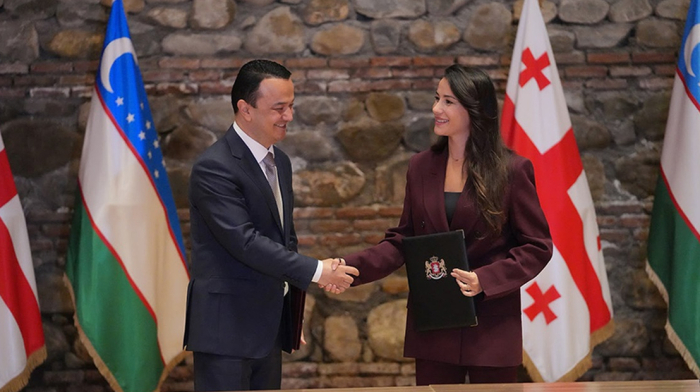
Georgia and Uzbekistan are aiming to nearly quadruple annual trade to $1 billion, up from $267.6 million in 2025, as the two countries seek to strengthen economic ties and expand transport links.

Iran has warned against the military use of Starlink, saying it has developed domestic technology capable of countering cyber threats linked to the satellite internet service.
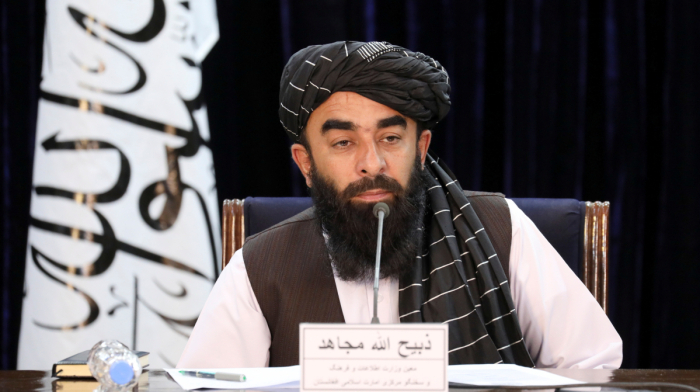
Afghanistan has accused Pakistan of blaming Kabul for its domestic political and security problems, as Islamabad repeated claims that militants are using Afghan territory to launch attacks across the border.
You can download the AnewZ application from Play Store and the App Store.




What is your opinion on this topic?
Leave the first comment