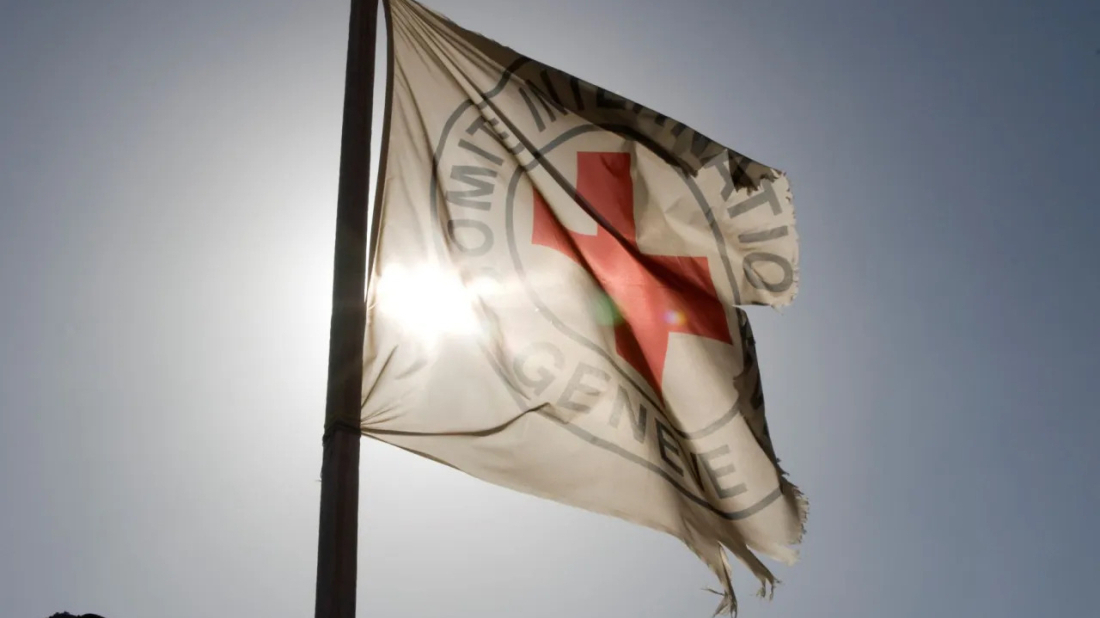
In 2024, the International Committee of the Red Cross (ICRC) provided critical healthcare services to over a million Afghans through 47 medical centers operated by the Afghan Red Crescent Society. Nearly one million patients accessed primary healthcare services, with women and children accounting for 65% of those treated.
The ICRC’s efforts extended far beyond healthcare, as the organization worked tirelessly to tackle the multifaceted challenges faced by Afghanistan’s population. In addition to offering physical rehabilitation services, the ICRC helped communities establish sustainable livelihoods and incomes, while also improving access to clean water, sanitation, and energy.
The ICRC also reported administering over 300,000 routine vaccinations in 2024 and providing critical support to nearly 9,000 malnourished children through the Afghan Red Crescent Society’s Nutrition Programme across 47 clinics. These efforts addressed both immediate and long-term health needs for vulnerable populations.
The ICRC also maintained its commitment to improving conditions for detainees, conducting regular visits to places of detention to advocate for humane treatment and ensure that the rights of detainees are upheld.
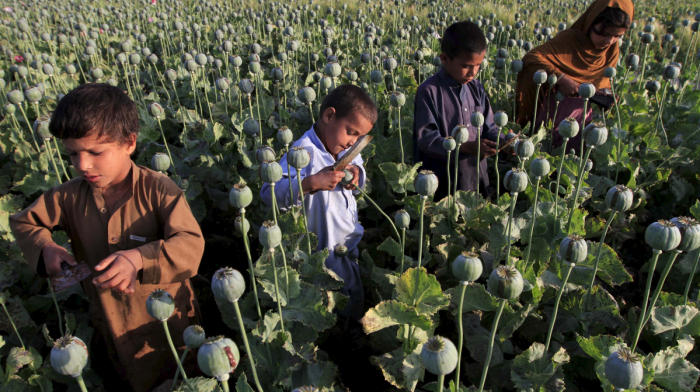
In 2024, the organization reported providing cash assistance to tens of thousands of Afghans to help them meet their basic needs, including food and shelter. That same year, it also supported tens of thousands of farmers by supplying them with agricultural tools, seeds, and fertilizers, enabling them to sustain their livelihoods and contribute to food security in the region.
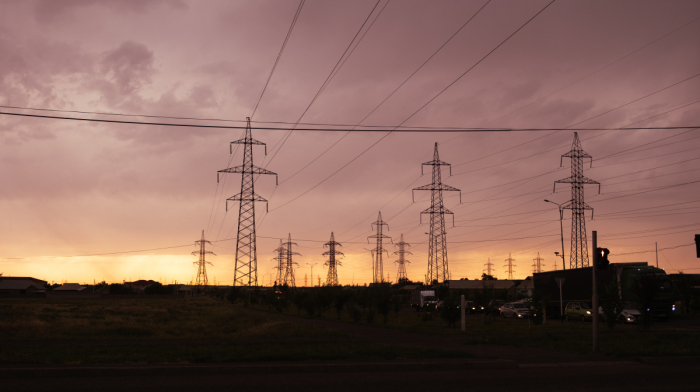
Additionally, in the same year, the organization helped over a million Afghans in urban areas gain access to clean drinking water. Nearly half a million people also benefited from improved electricity supply, thanks to the support of the ICRC. These initiatives significantly enhanced the quality of life for countless individuals and families across the country.
Despite these efforts, the ICRC emphasized that Afghanistan’s humanitarian situation remains dire due to decades of conflict, economic instability, and natural disasters, leaving millions without access to healthcare, food, and clean water. While the ICRC’s work in 2024 highlights the critical role of humanitarian aid in alleviating suffering, it also underscores the urgent need for sustained international support to prevent further deterioration and ensure vulnerable populations receive the assistance they desperately need.













What is your opinion on this topic?
Leave the first comment