live Israeli military says it has launched fresh strikes on Tehran and Beirut: All the latest news on the Iran strikes
The Israeli military has begun a new wave of strikes on Tehran, it said late on Monday. The strikes came after it issued...
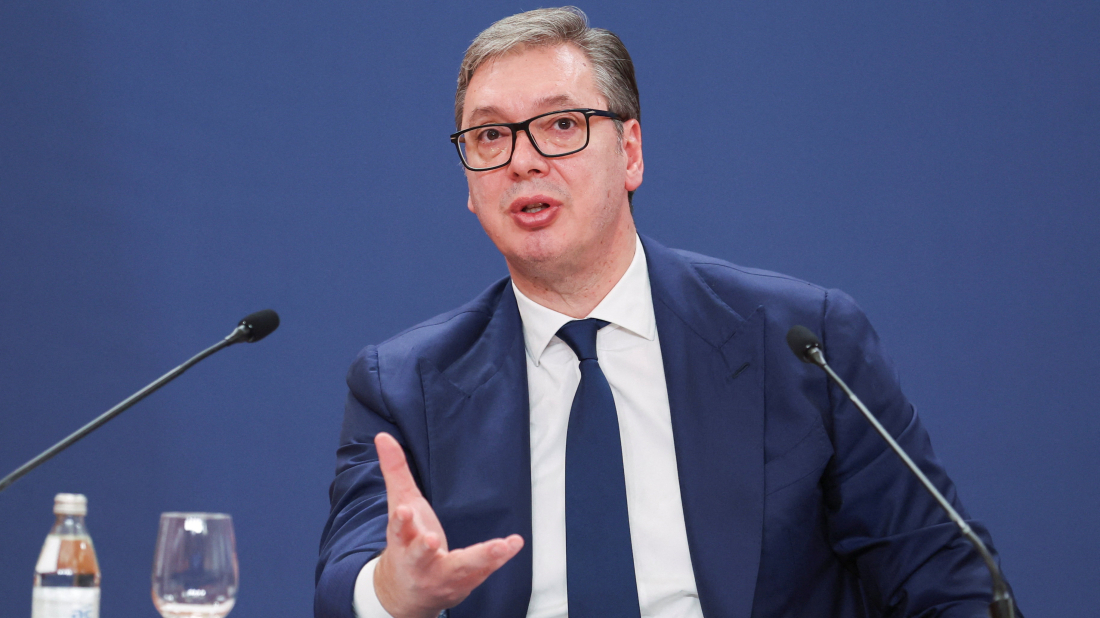
Serbian President Aleksandar Vučić will pay an official visit to Uzbekistan from 28 to 31 October at the invitation of President Shavkat Mirziyoyev.
The four-day visit aims to expand bilateral cooperation in trade, investment, and industrial projects.
The two leaders will hold high-level negotiations focusing on industrial cooperation, agriculture, pharmaceuticals, information technology, and tourism.
Sectoral meetings and business forums involving ministers and representatives of leading companies are also planned.
A number of agreements and memorandums are expected to be signed, covering new projects in trade, education, and cultural exchange.
These initiatives are designed to strengthen long-term economic and humanitarian ties between the two countries.
Diplomatic relations between Uzbekistan and Serbia were established in 1995 and have been steadily developing through regular consultations between foreign ministries and inter-parliamentary contacts.
In 2024, both sides held their second round of inter-ministerial consultations to identify new areas for cooperation.
While current trade turnover remains modest, bilateral trade has grown consistently in recent years.
Last year, Uzbekistan’s exports to Serbia amounted to $1.51 million, and imports totalled $18.89 million, bringing the total trade volume to around $20.4 million.
Serbian investment is expected to rise following the planned agreements, as both sides explore opportunities in textiles, construction materials, and agribusiness.
President Mirziyoyev and President Vučić are expected to issue a joint statement outlining future cooperation priorities.
Officials emphasised that the talks will focus not only on strengthening trade but also on fostering cultural understanding and technological collaboration.
Both countries are expected to reaffirm their commitment to building a strategic partnership grounded in mutual trust and shared regional objectives.

Follow the latest developments and global reaction after the U.S. and Israel launched “major combat operations” in Iran, prompting retaliation from Tehran.
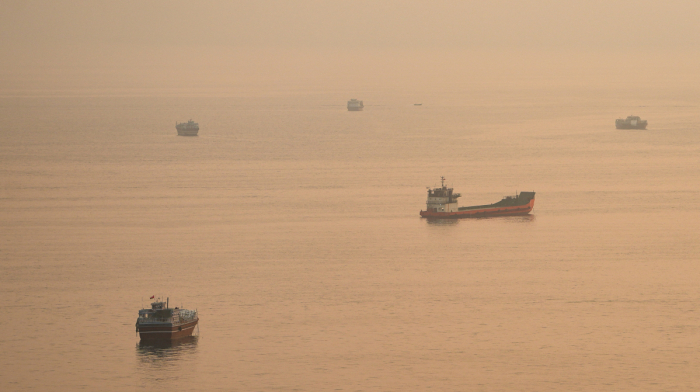
Saudi Arabia’s state oil giant Saudi Aramco closed its Ras Tanura refinery on Monday following an Iranian drone strike, an industry source told Reuters as Tehran retaliated across the Gulf after a U.S.-Israeli attack on Iranian targets over the weekend.
The Kremlin is utilising the recent United States and Israeli military strikes on Iran to validate its ongoing war in Ukraine. Russian officials are pointing to the escalation in the Middle East as evidence that Western nations do not adhere to international rules.
The Middle East crisis intensifies after the deadly attack on the compound of the Supreme Leader of Iran Ali Khamenei on Saturday that killed him, other family members and senior figures. Iran has launched retaliatory strikes on U.S. targets in the region.
Ayatollah Alireza Arafi has moved into a pivotal constitutional role following the death of Supreme Leader Ayatollah Ali Khamenei, becoming the clerical member of Iran’s temporary leadership council under Article 111 of the Constitution of the Islamic Republic of Iran.
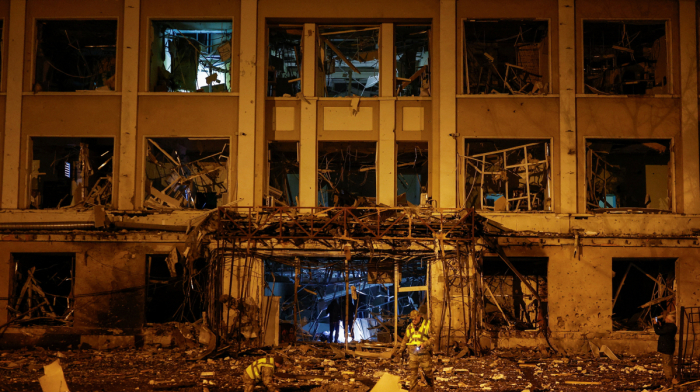
The Israeli military has begun a new wave of strikes on Tehran, it said late on Monday. The strikes came after it issued an evacuation warning for residents in Tehran, particularly those residing near state broadcaster IRIB's headquarters.
Kazakhstan has vowed to speed up its investigation into the Azerbaijan Airlines crash near Aktau, as mounting diplomatic pressure and geopolitical tensions push the disaster further into the international spotlight.
Entrances to Iran's underground and previously bombed uranium-enrichment plant at Natanz have been struck as part of the U.S.-Israeli military attacks on the country, the United Nations nuclear watchdog, the International Atomic Energy Agency (IAEZ) confirmed on Tuesday (3 March).
The Israeli military deployed additional forces to southern Lebanon overnight, to take up what a military spokesperson on Tuesday (3 March) described as "defensive positions" aimed at protecting Israeli civilians and strategic sites from potential Hezbollah attacks.
Shahid Motahari Sub-Speciality Hospital in northern Tehran and parts of the Golestan Palace were bombed on day two of the U.S.‑Israel strikes. AnewZ Touraj Shiralilou is in Iran's capital city and said that the facility was flattened in an airstrike.
You can download the AnewZ application from Play Store and the App Store.
What is your opinion on this topic?
Leave the first comment