Residents in central Gaza are preparing to vote in municipal elections on Saturday (25 April), marking the first ballot in the Strip since 2006. The vote in Deir al-Balah is being watched closely as a rare indication of public sentiment, including towards Hamas.
The coastal city is one of the few areas in Gaza not overrun by Israeli ground forces during the ongoing war. It has been selected as the only location in Gaza to take part in the wider Palestinian Authority municipal elections.
Around 70,000 people are eligible to vote. Polling will take place across 12 centres, including open fields, tents and public facilities. Voting is set to run from early morning until late afternoon.
Part of wider election process
The election forms part of a broader process in the West Bank, where similar votes have been held regularly since 2005. In January, the Palestinian Authority said it would extend the elections to Gaza “wherever possible”, in what analysts describe as a symbolic step to show the strip remains part of a future Palestinian state.
Four candidate lists are competing in Deir al-Balah. While no official party names appear on the ballot, some candidates are widely seen by residents and analysts as being aligned with Hamas. Others are linked to local groups or professional networks.
The electoral system is based on closed lists. Voters will choose one list and then select preferred candidates within it. The winning council will consist of 15 members, with rules in place to ensure female representation.
Life after years without elections
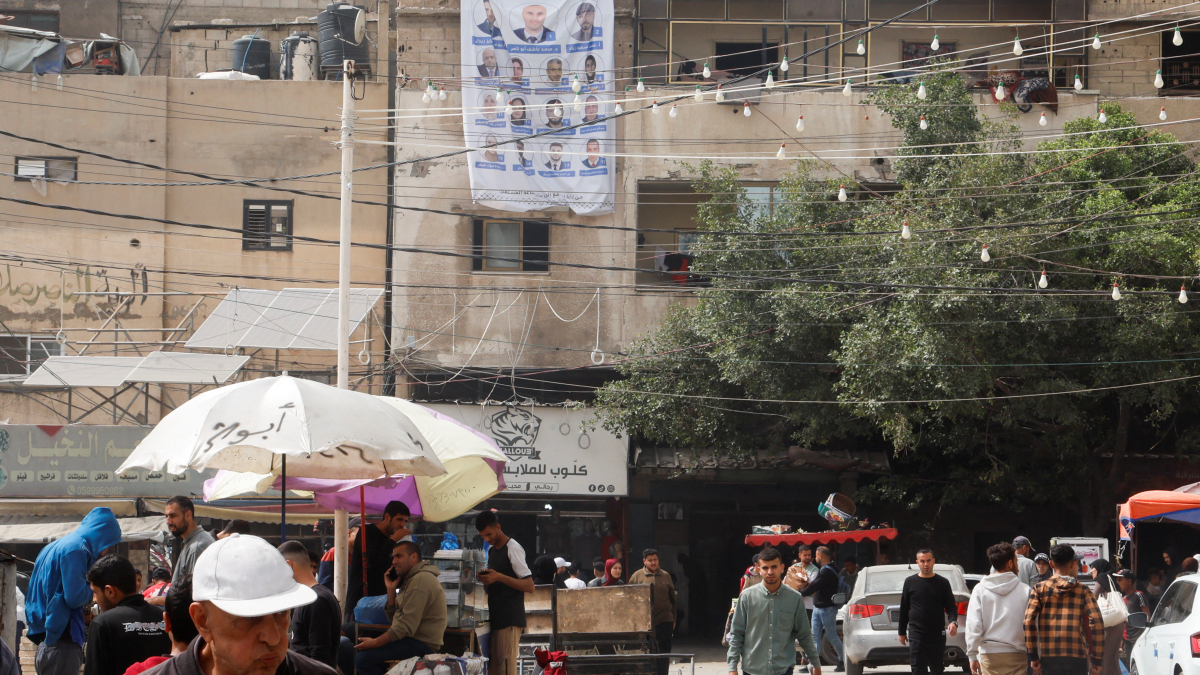
For many residents, the vote offers a chance to express themselves politically after years of conflict and isolation. Large banners promoting rival lists have been placed across the city in the days leading up to the election.
''I have been hearing about elections since I was born, but because of the circumstances, no elections take place. But this time, we are eager to take part in the election and it'll be the first time we participate so we can change the reality imposed on us,'' said Palestinian resident Adham al-Bardini.
The poll follows years without elections in Gaza. Hamas won the last legislative vote in 2006 and took control of the territory in 2007 after a brief conflict with the Fatah movement of Palestinian Authority President Mahmoud Abbas.
Since then, Gaza has been governed without further elections. Local councils have been appointed rather than elected.
Deir al-Balah was chosen in part because it suffered less damage than other areas during the war. However, the city has not been spared. In December 2024, an Israeli air strike hit the municipal building, killing the mayor and several staff members.
Focus on daily needs
The vote also comes amid international discussions about Gaza’s future. A plan backed by U.S. President Donald Trump proposes rebuilding the territory under a technocratic administration, with Hamas stepping aside from governance. However, Hamas has rejected calls to disarm.
The proposal does not address the West Bank, which Palestinians see as part of a future state alongside Gaza.
Officials say the Deir al-Balah vote is a first step in restoring local governance. However, some analysts caution that a single municipal election is unlikely to reflect broader political trends across Gaza.
For residents, immediate concerns remain focused on daily life. Access to water, electricity and basic services are key issues as the city continues to recover from the effects of war.
Palestinian youth Abdul-Rahman al-Shaaf said, ''Everyone wants to improve the country, especially after two years of war, what we witnessed and destruction.''
The outcome of the vote is expected to shape local administration in Deir al-Balah, while also offering a limited snapshot of political dynamics in Gaza at a time of ongoing conflict and uncertainty.











What is your opinion on this topic?
Leave the first comment