China tightens Communist Party oversight of tech firms and digital finance
China’s ruling Communist Party is stepping up oversight of technology firms, internet platforms and digital finance in a sweeping drive to ta...
Afghanistan’s foreign ministry says the Asian Development Bank (ADB) has pledged continued cooperation after talks in Kabul on aid coordination, bilateral ties and job creation.
During the meeting, Dr Mohammad Naeem, the Ministry of Foreign Affairs’ Deputy Minister for Finance and Administration, held discussions with Fujimoto Lok, the newly appointed President of the Asian Development Bank (ADB), on expanding cooperation between the two sides.
Naeem thanked the bank for its assistance and cooperation, the ministry said. It added that he stressed Afghanistan’s commitment to working with aid organisations for the benefit of its people, with a strong focus on job creation.
The ministry said the Afghan side underlined that it “is committed to supporting and cooperating with aid organisations for the benefit of its people”, and “fundamentally emphasizes the creation of job opportunities”.
Fujimoto Lok, meanwhile, briefed Afghan officials on the bank’s activities and offered assurances on future support, according to the ministry. It said he “shared information about his activities” and “expressed assurance of continued cooperation”.
The meeting comes as Afghanistan remains heavily dependent on external support. According to the United Nations Office for the Coordination of Humanitarian Affairs (UNOCHA), around 21.9 million people in Afghanistan - about 45% of the population - are projected to need humanitarian assistance in 2026.
ADB’s engagement with Afghanistan has also shifted sharply since August 2021. On its Afghanistan overview page, the bank says its “regular assistance to Afghanistan has been on hold since 15 August 2021”.
At the same time, it says that since 2022 it has “supported the basic needs of the Afghan people” through “a special arrangement with the United Nations”, including food assistance and health and education services.
That makes the latest meeting notable. It suggests that while ADB’s regular assistance remains suspended, contacts with Afghan officials are continuing, and both sides are seeking to maintain cooperation in areas linked to aid, basic services and employment.
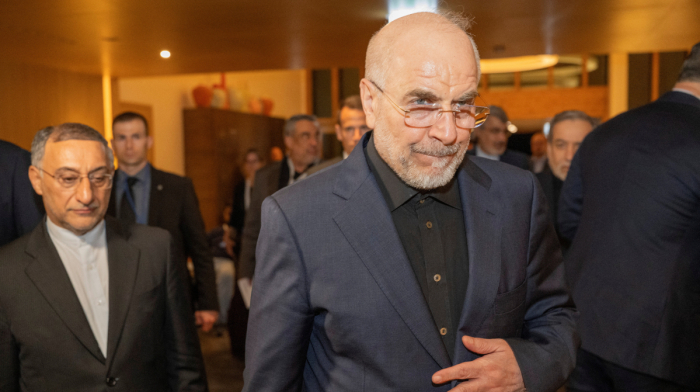
Iranian parliament speaker Mohammad Bagher Ghalibaf says the U.S. must act to prevent war after Tehran sent a “strong and rational response” to Washington. Meanwhile, U.S. forces have reportedly carried out limited strikes against Iranian targets, including Qeshm Island,
Hundreds of millions of U.S. citizens head to the polls on 3 November to elect the House of Representatives and Senate. How they vote could influence the direction of Donald Trump’s remaining 26 months in office and the outcomes of the Ukraine and Iran conflicts.
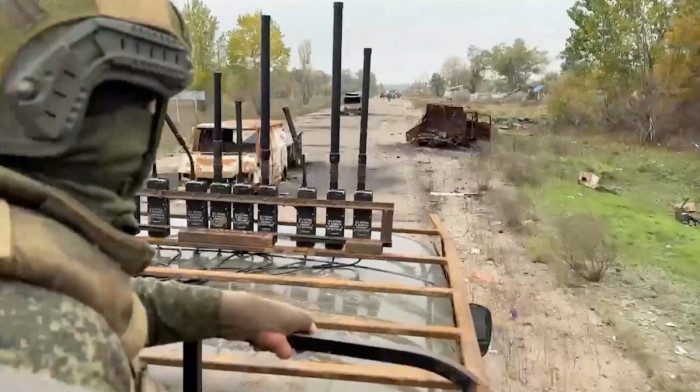
A six-day humanitarian ceasefire in the Russian-held Ukrainian town of Oleshky ended on Sunday, 1 November, after facilitating aid deliveries and civilian evacuations.
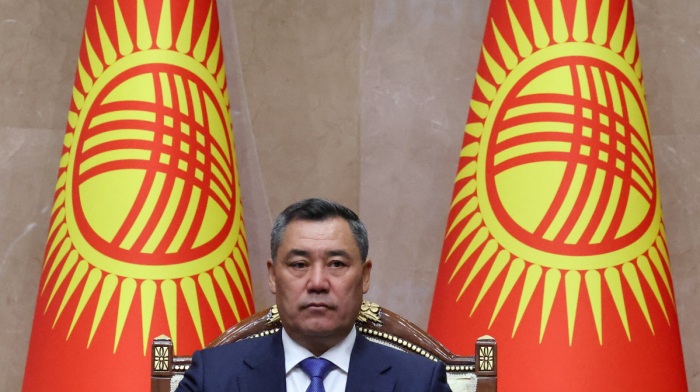
Kyrgyzstan has emerged as Central Asia’s fastest-growing economy, fuelled by a construction boom, public investment and trade linked to Russia. But with Western sanctions tightening, can the country sustain its rapid growth?
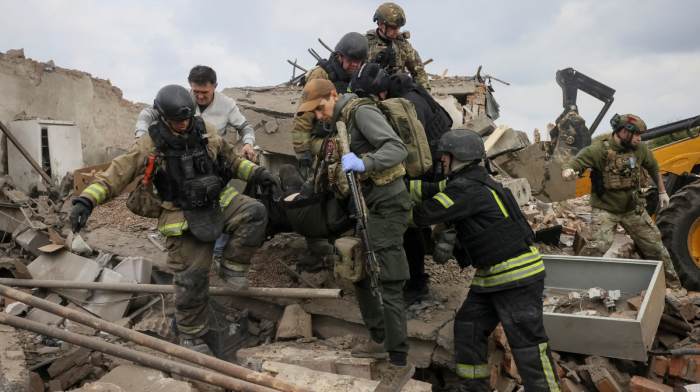
Russia airstrikes on a school used as a humanitarian aid distribution point in southeastern Ukraine's Zaporizhzhia region killed at least 26 people, including rescue workers and police officers, Ukrainian officials said. Another 27 people were reported missing.
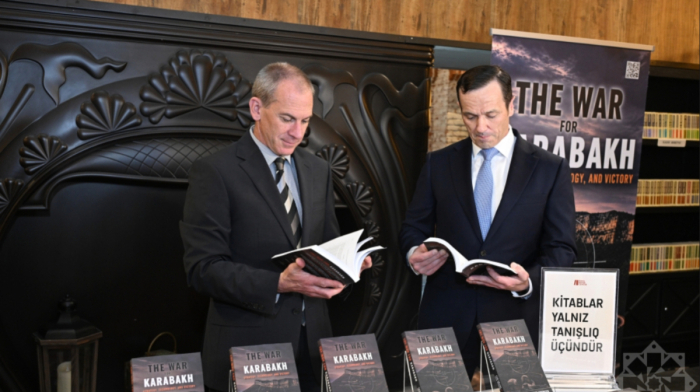
A new book examining Azerbaijan’s military strategy, technology and operations during the Garabagh wars has been unveiled in Baku, offering insights into the country’s victories and lessons for modern warfare.
Iranian parliament speaker Mohammad Bagher Ghalibaf says the U.S. must act to prevent war after Tehran sent a “strong and rational response” to Washington. Meanwhile, U.S. forces have reportedly carried out limited strikes against Iranian targets, including Qeshm Island,
Tajikistan has banned electronic cigarettes and nicotine delivery systems, becoming the latest Central Asian country to outlaw their production, import and sale as part of a wider push to protect public health.
Kyrgyzstan has emerged as Central Asia’s fastest-growing economy, fuelled by a construction boom, public investment and trade linked to Russia. But with Western sanctions tightening, can the country sustain its rapid growth?
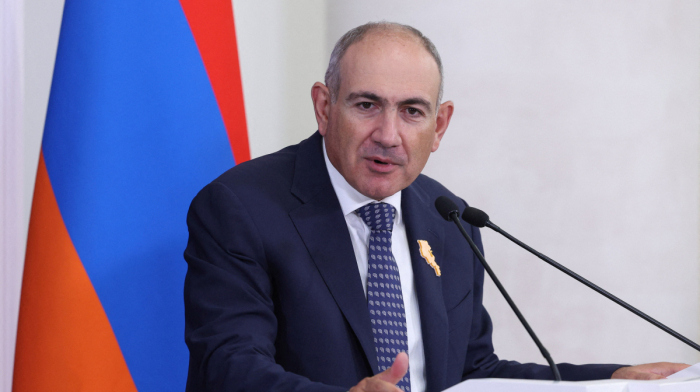
Armenian Prime Minister Nikol Pashinyan said the government plans to publish a draft of the country's new constitution in November, with public consultations to follow, as constitutional reforms remain a key issue in efforts to secure a final peace agreement with Azerbaijan.
You can download the AnewZ application from Play Store and the App Store.
What is your opinion on this topic?
Leave the first comment