U.S.-Israeli strikes on Iran: What we know so far
The United States and Israel have carried out large-scale strikes on Iranian leadership and military targets, with Iranian state media confirming t...
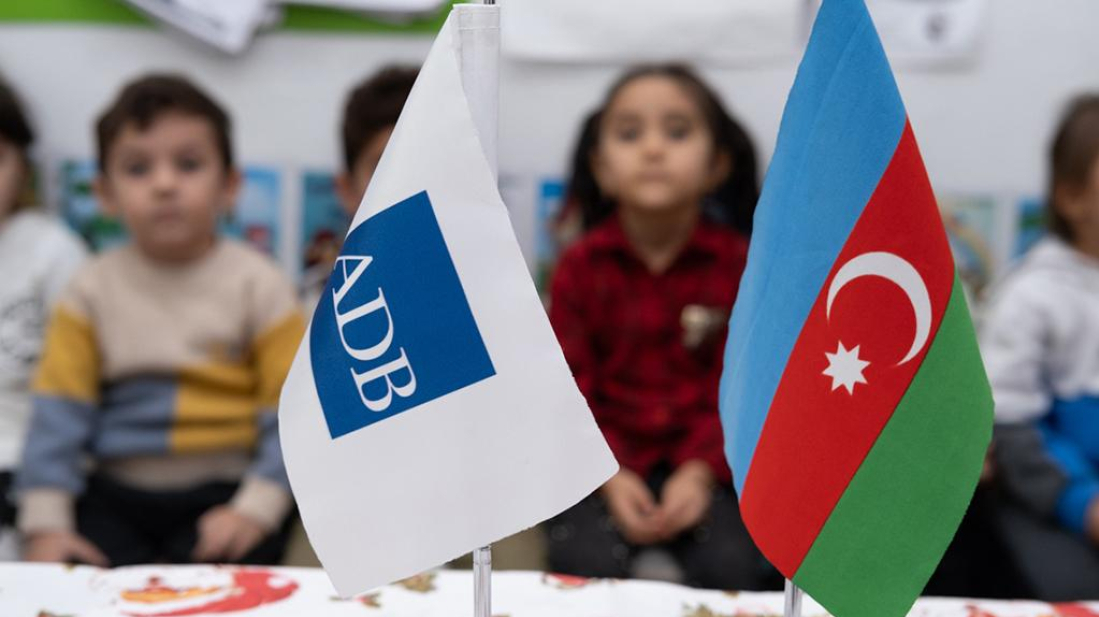
The Asian Development Bank (ADB) has launched its new Country Partnership Strategy (CPS) for Azerbaijan for 2025–2029, centred on two key pillars: enabling a green and diversified economy, and fostering low-carbon connectivity and inclusive development.
The CPS supports Azerbaijan’s national development strategies and aims to address critical challenges while leveraging opportunities for green and sustainable growth. Its key priorities include enhancing economic competitiveness by encouraging innovation, advancing high-value products and services, and strengthening workforce skills.
"As we embark on this new chapter in the ADB–Azerbaijan partnership, our focus is on building a robust economy, fostering private sector-led growth, strengthening the financial sector and contributing to regional cooperation," said ADB Country Director for Azerbaijan Sunniya Durrani-Jamal said in the bank's statement. "Through tailored strategic investments and collective effort, ADB aims to help address the country’s development priorities, develop regional initiatives, and build a prosperous future for the people of Azerbaijan."
Since Azerbaijan is a resource-rich upper middle-income country, ADB’s investments will be selective, innovative, and focused on supporting private-sector-led growth. ADB will assist the government in improving transport connectivity, advancing developing areas, enabling more private investments in non-oil sectors, and preparing the green transition of the economy.
The five-year strategy includes initiatives aimed at accelerating climate action and disaster risk management, advancing gender equality and digital transformation, improving public sector efficiency and supporting public-private partnership projects.

Follow the latest developments and global reaction after the U.S. and Israel launched “major combat operations” in Iran, prompting retaliation from Tehran.
Tensions between the U.S. and Iran are escalating, with Washington ordering a significant military build-up in the region and multiple countries evacuating diplomatic staff amid fears of further instability.
Governments across the region responded swiftly to Israel’s strikes on Iran, closing airspace, issuing travel advisories and activating contingency plans amid fears of escalation.
Two people were killed and around 40 injured when a tram derailed in central Milan on Friday (27 February), a spokesperson for the local fire service said.
A senior Iranian official has warned Israel to “prepare for what is coming”, insisting that Tehran’s response to the latest escalation in the Middle East will be made openly and without limits.
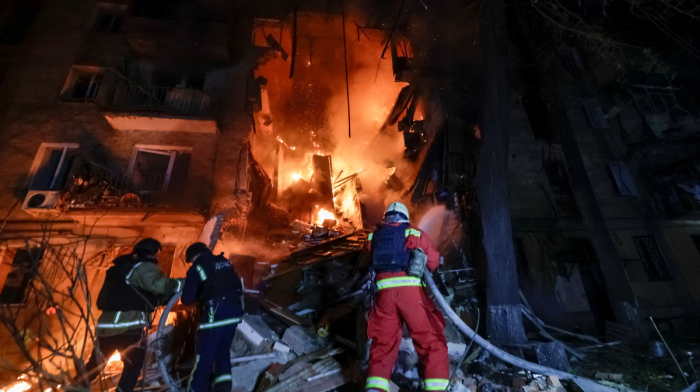
The United States and Israel have carried out large-scale strikes on Iranian leadership and military targets, with Iranian state media confirming that Supreme Leader Ayatollah Ali Khamenei was killed.
Follow the latest developments and global reaction after the U.S. and Israel launched “major combat operations” in Iran, prompting retaliation from Tehran.
Ayatollah Alireza Arafi has moved into a pivotal constitutional role following the death of Supreme Leader Ayatollah Ali Khamenei, becoming the clerical member of Iran’s temporary leadership council under Article 111 of the Constitution of the Islamic Republic of Iran.
A number of senior Iranian figures have reportedly been killed in Saturday’s joint U.S.–Israeli airstrikes on Iran, according to Iranian state media, Israeli military statements and international reporting. Some of the details remain unverified. .
The death of Iran’s Supreme Leader Ayatollah Ali Khamenei has triggered one of the most significant political processes in the Islamic Republic: the selection of a new Supreme Leader.
You can download the AnewZ application from Play Store and the App Store.
What is your opinion on this topic?
Leave the first comment