live Iran reopens Hormuz Strait, demands end to U.S. naval blockade- Saturday 18 April
Iran temporarily reopened the Strait of Hormuz on Friday (17 April) following a ceasefire agreement in Lebanon, ra...
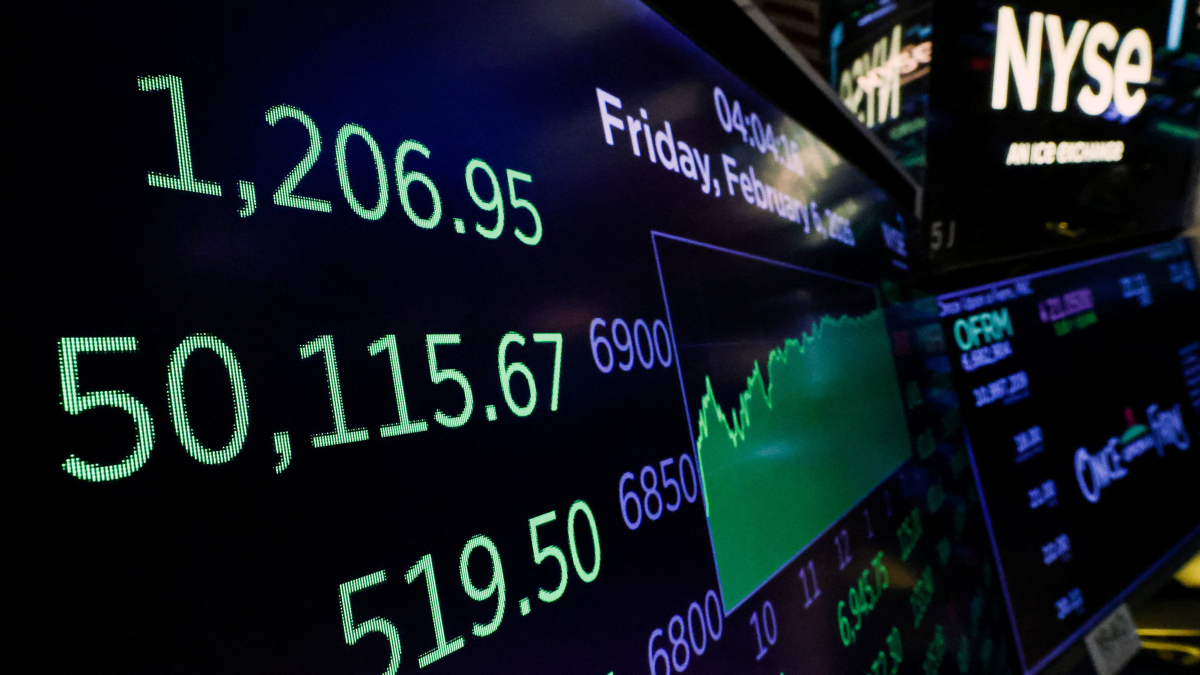
Traders placed more than $500 million in oil bets minutes before Donald Trump announced a delay to planned strikes on Iran, data shows, shortly before prices plunged.
Traders placed large bets on crude futures shortly before Trump said the U.S. would delay attacks on Iran’s energy infrastructure by five days, exchange data and Reuters calculations showed.
Trump had warned Iran to reopen the Strait of Hormuz by Monday or face its power plants being “obliterated”. However, his post on Truth Social at 1105 GMT signalled ongoing talks between Washington and Tehran, triggering a sharp sell-off in oil and gas markets.
Brent crude fell by as much as 15% within minutes, as investors priced in a potential de-escalation that could restore disrupted Gulf oil supplies.
Data from London Stock Exchange Group (LSEG) showed that between 1049 and 1050 GMT, traders exchanged 5,100 lots of Brent and WTI crude futures, worth over $500 million. Selling dominated the trades, though the identities of those involved remain unclear.
Trading activity surged further after Trump’s announcement, with more than 13,000 lots - equivalent to 13 million barrels of oil - changing hands in 60 seconds.
Prices dropped sharply, with Brent falling to about $99 a barrel from $112, while WTI declined to $86 from around $99.
Neither Intercontinental Exchange nor CME Group immediately responded to requests for comment. The U.S. Securities and Exchange Commission declined to comment, and the White House also did not respond.
Despite the fall, oil prices remain more than 40% above pre-conflict levels, with about a fifth of global supply disrupted by the Middle East war. Brent was trading just below $104, amid continued uncertainty and Iran’s denial of any negotiations with the U.S.

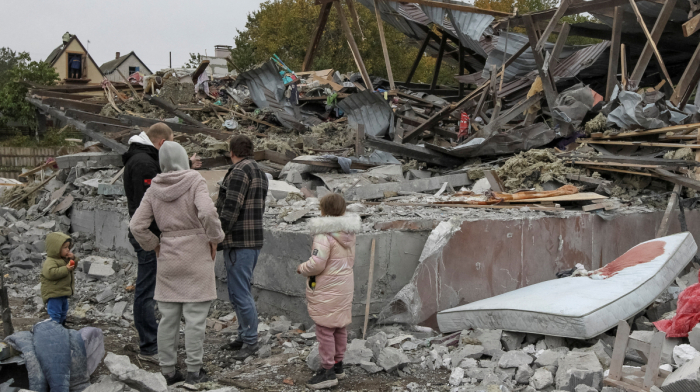
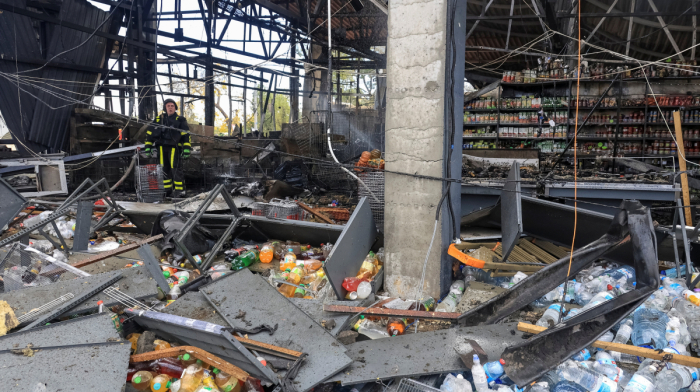
The past 24 hours of the Russia-Ukraine war have seen a drastic escalation in both aerial bombardment and frontline losses.
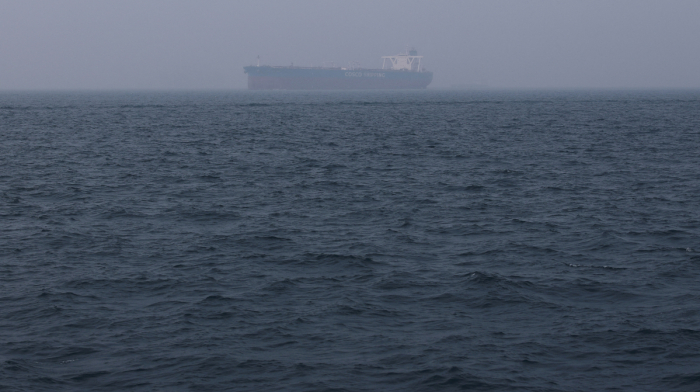
Iran reopened the Strait of Hormuz to commercial shipping on Friday (17 April) for the first time since the U.S. and Israel killed Iran's ex-Supreme Leader in air strikes, triggering the Middle East conflict, at the end of February. A U.S. blockade on Iranian ports, however, remains in force.
Russia published addresses of manufacturers allegedly producing drones or components for Ukraine on Wednesday (15 April), warning European countries against plans to step up UAV supplies to Kyiv.
Netflix shares fell sharply on Friday after the streaming group issued a weaker-than-expected outlook and said chairman and co-founder Reed Hastings will step down from the board.
U.S. President Donald Trump says Israeli and Lebanese leaders have agreed to a 10-day ceasefire that includes Hezbollah, raising cautious hopes of a pause in hostilities after weeks of escalating tensions.
Syrian President Ahmed al-Sharaa has said his country could provide a “safe corridor” and “alternative route” for regional energy shipments, as supply disruptions continue to affect the wider Middle East.
An average of at least 47 women and girls were killed each day during the war in Gaza, according to new figures released by UN Women.
China is seeking to strengthen and upgrade its cooperation with Turkmenistan, focusing on what officials describe as “high-quality development” across a range of sectors.
Kazakhstan plans to boost trade with Afghanistan from $500 million to $3 billion, backed by infrastructure and transit projects designed to strengthen regional connectivity and improve access to global markets.
A low-profile diplomatic visit to Tbilisi may prove more consequential than it first appears, as representatives of France, Germany and Poland meet figures across Georgia’s political spectrum, signalling that Brussels is watching closely ahead of a key EU foreign ministers’ meeting.
You can download the AnewZ application from Play Store and the App Store.
What is your opinion on this topic?
Leave the first comment