Marco Rubio to visit Vatican and Italy amid Pope Leo dispute
U.S. Secretary of State Marco Rubio is expected to travel to the Vatican and Italy this week for a series of meetings, according to It...
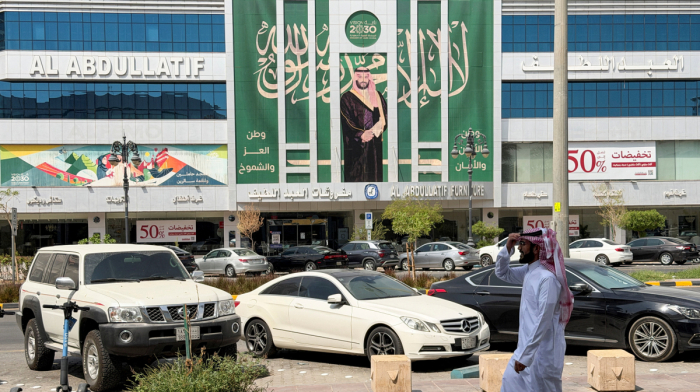
Lebanon has expelled Iran’s ambassador and declared him persona non grata, ordering his departure by 29 March, as tensions surge across the Middle East following intensifying cross-border violence.
Lebanon’s Foreign Ministry said on Tuesday that Iranian Ambassador Mohammad Reza Shibani must leave the country by the end of the week, citing what it described as violations by Tehran of established diplomatic norms and protocols between the two countries.
In a reciprocal move, Beirut also recalled its ambassador to Iran, Ahmad Sweidan, for consultations, signalling a sharp deterioration in diplomatic ties.
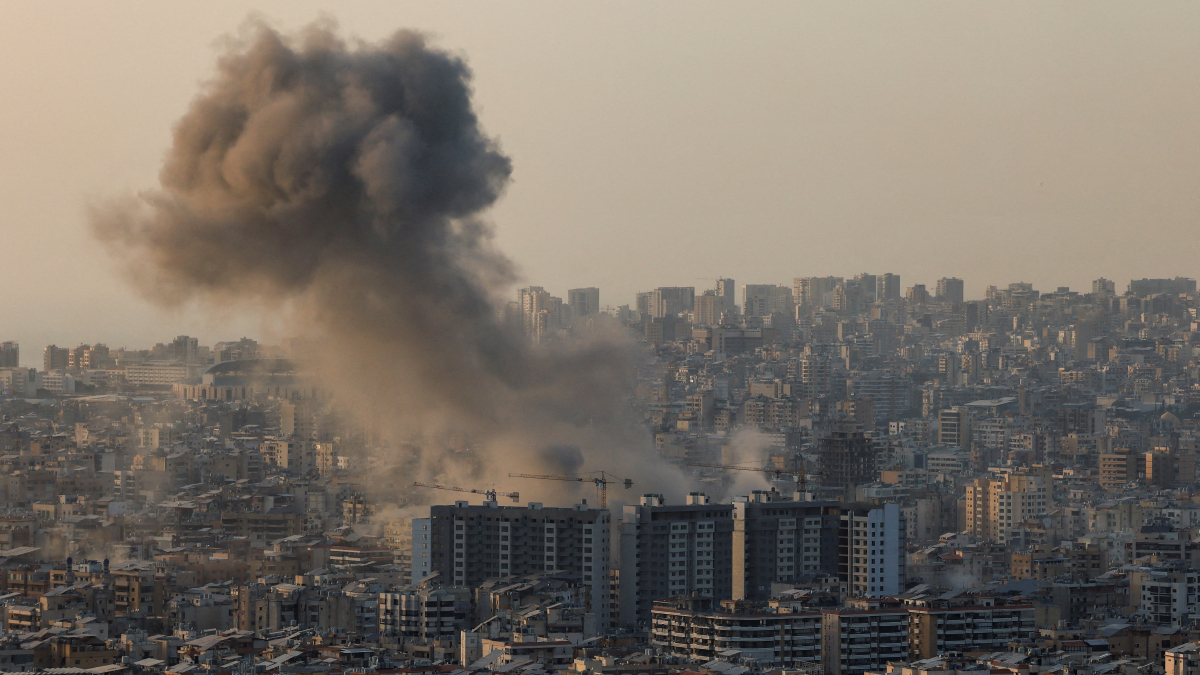
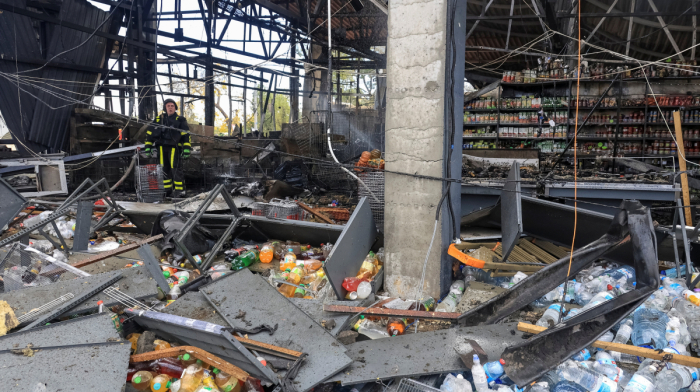
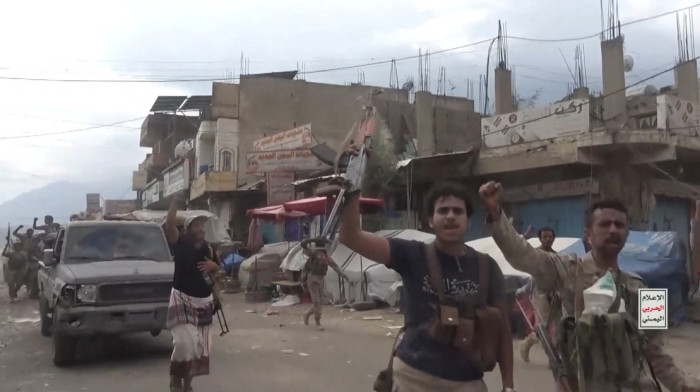
The decision comes against the backdrop of escalating hostilities in the region. Israel has carried out extensive airstrikes and a ground offensive in southern Lebanon since a cross-border attack by Iran-backed Hezbollah on 2 March.
Lebanese authorities say at least 1,039 people have been killed and 2,876 injured in Israeli attacks since the escalation began.
The crisis has unfolded alongside a broader regional conflict involving Iran. A joint U.S.–Israeli offensive on Iranian targets since 28 February has reportedly killed more than 1,340 people, according to available figures.
Tehran has responded with drone and missile strikes targeting Israel as well as Jordan, Iraq and Gulf states, which it says are aimed at U.S. military assets.
Lebanon’s move to expel the Iranian envoy marks a significant diplomatic escalation, raising concerns over further instability in an already volatile region.

U.S. President Donald Trump told reporters he was "not satisfied" with Iran's latest peace proposal, which was delivered to Washington via Pakistani mediators on Friday (1 May).
President Trump has issued a warning to the international community, claiming a nuclear-armed Iran would strike Israel "very quickly" before targeting Europe and the United States.
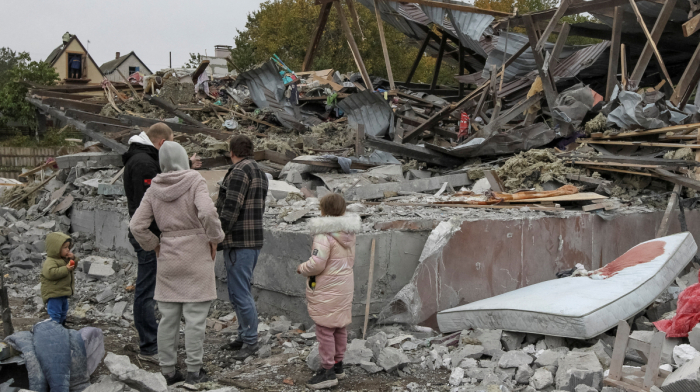
Ukraine is monitoring “unusual activity” along its border with Belarus, President Volodymyr Zelenskyy said in a video statement released on Saturday (2 May). He warned that Kyiv is ready to respond if necessary amid continued regional tensions linked to Russia’s war.
Hundreds of young people in South Korea have gathered in Seoul to take part in a city-backed “power nap contest”, aimed at drawing attention to the country’s chronic sleep deprivation.
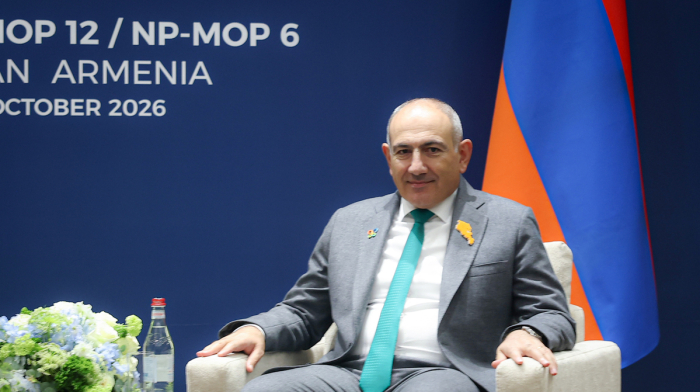
Türkiye’s Vice President Cevdet Yılmaz is set to visit Armenia in early May to take part in the 8th European Political Community Summit, in what will be the highest-level Turkish visit to the country to date. Meanwhile, German Chancellor Friedrich Merz is reportedly expected to miss the forum.
Israel has approved a major defence deal to purchase new squadrons of advanced fighter jets from U.S. manufacturers Lockheed Martin and Boeing, the country’s defence ministry said on Sunday (3 May).
Nobel Peace Prize laureate Narges Mohammadi has been taken to hospital in Iran after what her family described as a “catastrophic deterioration” in her health, including a severe cardiac crisis.
President Donald Trump has said the United States could restart strikes on Iran “if they misbehave”, as he waits to review the full details of a new proposal from Tehran.
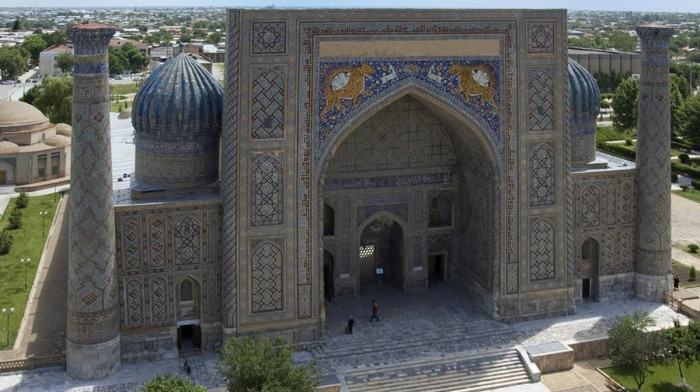
Tourism across Central Asia is expanding rapidly, with millions of visitors arriving each year as the region becomes an increasingly competitive global travel destination, though growth rates vary significantly between countries.
Baku will host the 13th World Urban Forum (WUF13) from 17 to 22 May, bringing together around 25,000 participants from 176 countries to address the global housing crisis and sustainable urban development.
You can download the AnewZ application from Play Store and the App Store.
What is your opinion on this topic?
Leave the first comment