Eleven killed, dozens injured in major Russian attack across Ukraine
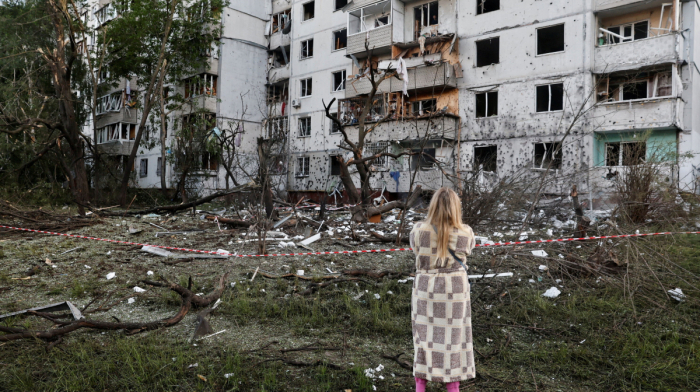
Russian drones and missiles pounded the Ukrainian capital Kyiv and other cities early on Tuesday, killing at least 11 people and wounding more than 10...
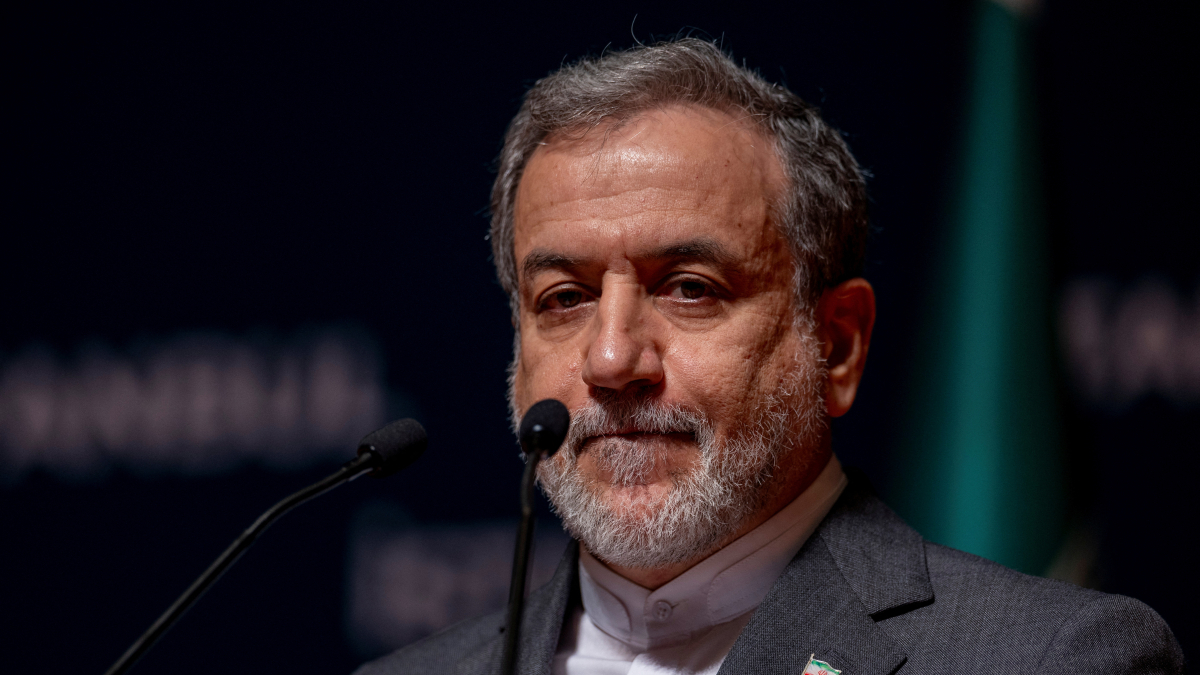
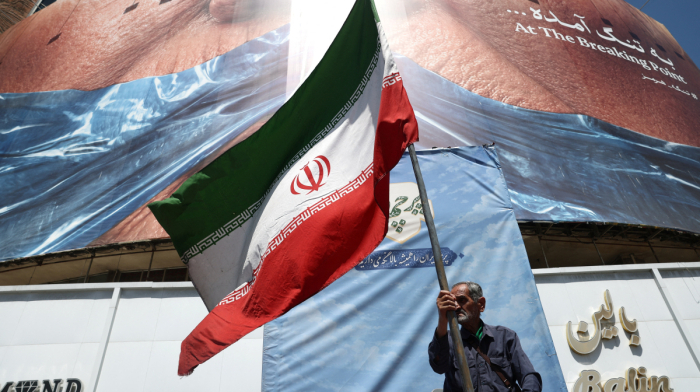
Iran's stance against the development of nuclear weapons will not significantly change, Foreign Minister Abbas Araghchi told Al Jazeera on Wednesday (18 March), cautioning that the new supreme leader is yet to publicly express his view on the matter.
Araghchi said Gulf countries would have to draft a new protocol for the Strait of Hormuz after the war ends. He added that safe passage must be ensured under conditions aligned with Iranian and regional interests.
Iran shut the vital energy gateway, through which a fifth of global oil and liquefied gas passes, saying it "won't even allow a litre of oil" to reach the U.S., Israel and their partners.
Speaker of the Iranian parliament Mohammed Bagher Ghalibaf had also earlier tweeted that the strait’s situation will not return to its pre-war conditions.
The U.S. has sought to build a naval coalition to escort vessels navigating the strait, with most NATO allies refusing to get involved in military operations against Iran.
NATO-member France said it would only consider a joint international coalition to secure passage through the strait following a ceasefire and prior negotiations with Tehran.
Araghchi added that an end to the war was only conceivable if the conflict is permanently over throughout the region and Iran receives compensation for damages incurred.
Asked about Iranian strikes in the Gulf not only targeting U.S. military bases but also impacting residential or commercial areas, Iran's foreign minister said this was because U.S. forces relocated to urban areas.
"Wherever there were American forces gathering, wherever there were facilities belonging to them, they were targeted. It is possible some of these places were near urban areas," the top Iranian diplomat said.
Araghchi acknowledged that regional countries are "upset and their people have been harmed or bothered" by Iranian strikes, but added that the blame lay entirely with the U.S. for starting the war on 28 February.
U.S. rapper Kanye West, now known as Ye, performed to a crowd of 118,000 people in Istanbul on Saturday night, marking his first concert in Europe in more than a decade, despite being barred from performing in several countries over past antisemitic remarks.
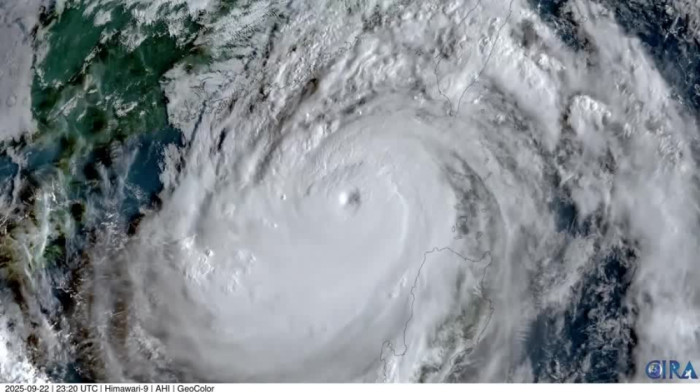
Okinawa lost transport links and suffered widespread power outages on Monday (1 June) as Severe Tropical Storm Jangmi brought destructive winds and heavy rain to Japan's south-western islands.
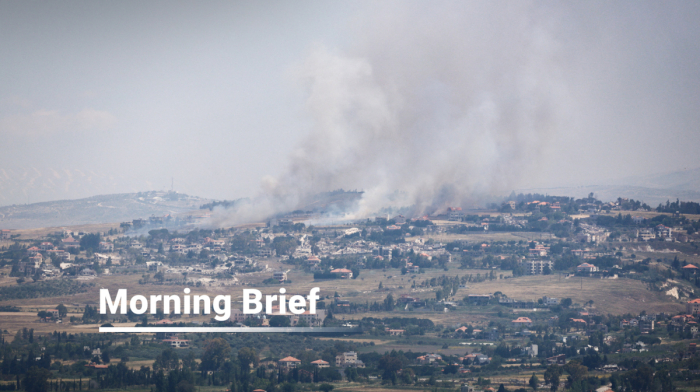
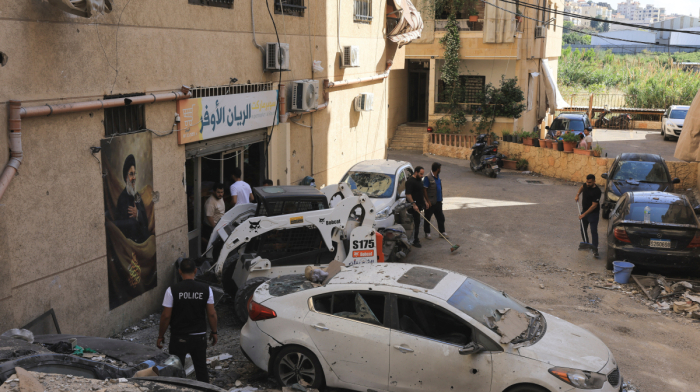
U.S. Secretary of State Marco Rubio has held talks with Lebanese President and Israeli Prime Minister on efforts to ease tensions between Israel and Lebanon. According to a U.S. official, Washington has proposed a plan aimed at achieving a gradual de-escalation of hostilities.
The United States has moved to close a regulatory gap that may have allowed advanced AI chips to reach Chinese-linked firms overseas despite export restrictions.
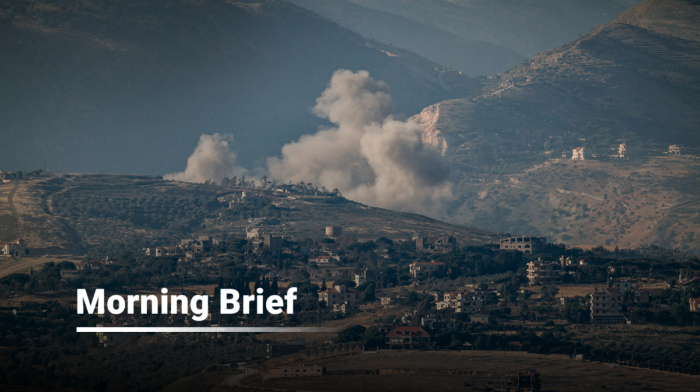
Start your day informed with the AnewZ Morning Brief. Here are the top stories for 1 June, covering the latest developments you need to know.
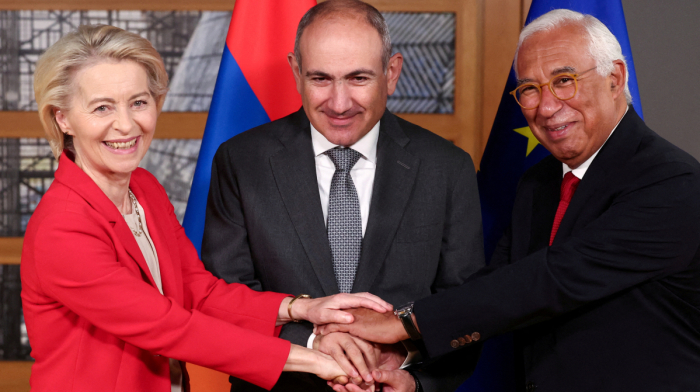
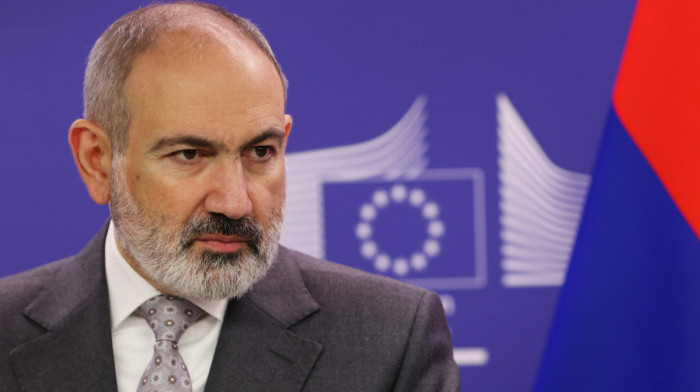
When Armenians vote on 7 June, they will be voting in an election shaped by months of political change and a rapidly deepening relationship with the European Union. The result may not only determine who governs Armenia but also the future direction of the country's geopolitical alignment.
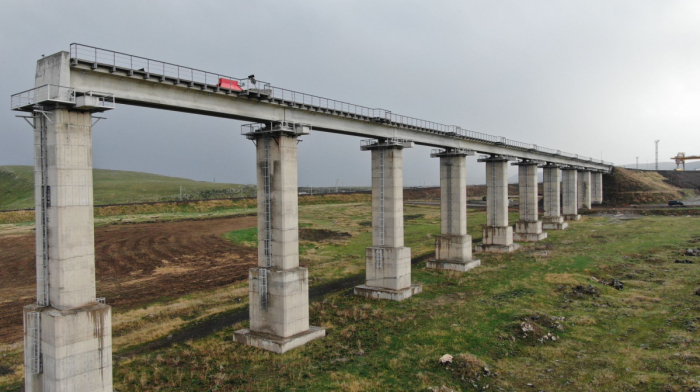
The Baku-Tbilisi-Kars (BTK) railway is resuming operations on 2 June after extensive modernisation works. Officials from Azerbaijan, Georgia and Türkiye are set to gather in Akhalkalaki for a launch event marking the reopening of one of the Middle Corridor's most important transport links.
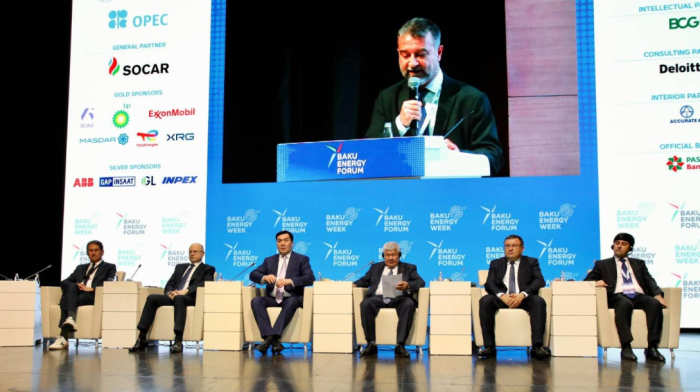
Kazakhstan is open to expanding its oil export routes through Azerbaijan and advancing joint energy infrastructure projects across the Caspian region, Energy Minister Yerlan Akkenzhenov told AnewZ in an exclusive interview in Baku.
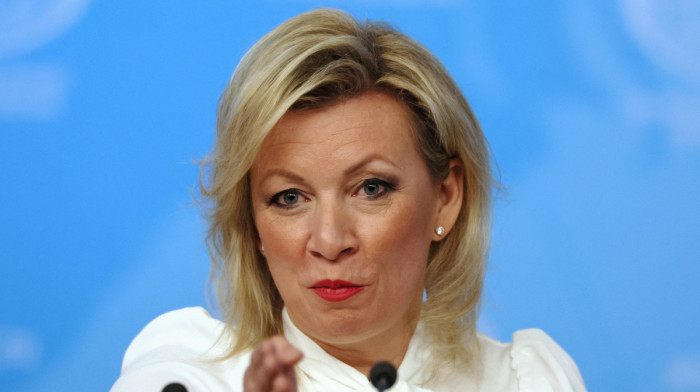
Russia's Foreign Ministry spokeswoman Maria Zakharova praised Georgia for resisting Western pressure (30 May), defending its national interests and pursuing a "multi-vector foreign policy" - language that closely mirrors the rhetoric of the ruling Georgian Dream party.
As Armenia approaches parliamentary elections, Russia appears to be increasing political and economic pressure on Yerevan, signalling that closer integration with the EU could lead to significant changes in labour, transport and energy arrangements between the two countries.
You can download the AnewZ application from Play Store and the App Store.
What is your opinion on this topic?
Leave the first comment