Fifteen years after the collapse of Muammar Gaddafi’s regime, Libya remains divided and unstable, with no agreed national elections held since 2014, and United Nations efforts still failing to produce a unified political settlement.
Gaddafi had come to power in 1969 after a military coup and governed through centralised state structures, security bodies and political committees, while Libya’s oil sector formed the main source of state revenue.
In March 2011, the United Nations Security Council adopted Resolution 1973 (2011), citing escalating attacks on civilians and the imminent threat to Benghazi, and invoking the Responsibility to Protect with support from the Arab League. The resolution authorised a no-fly zone and the use of “all necessary measures” to protect civilians, after which NATO began air operations.
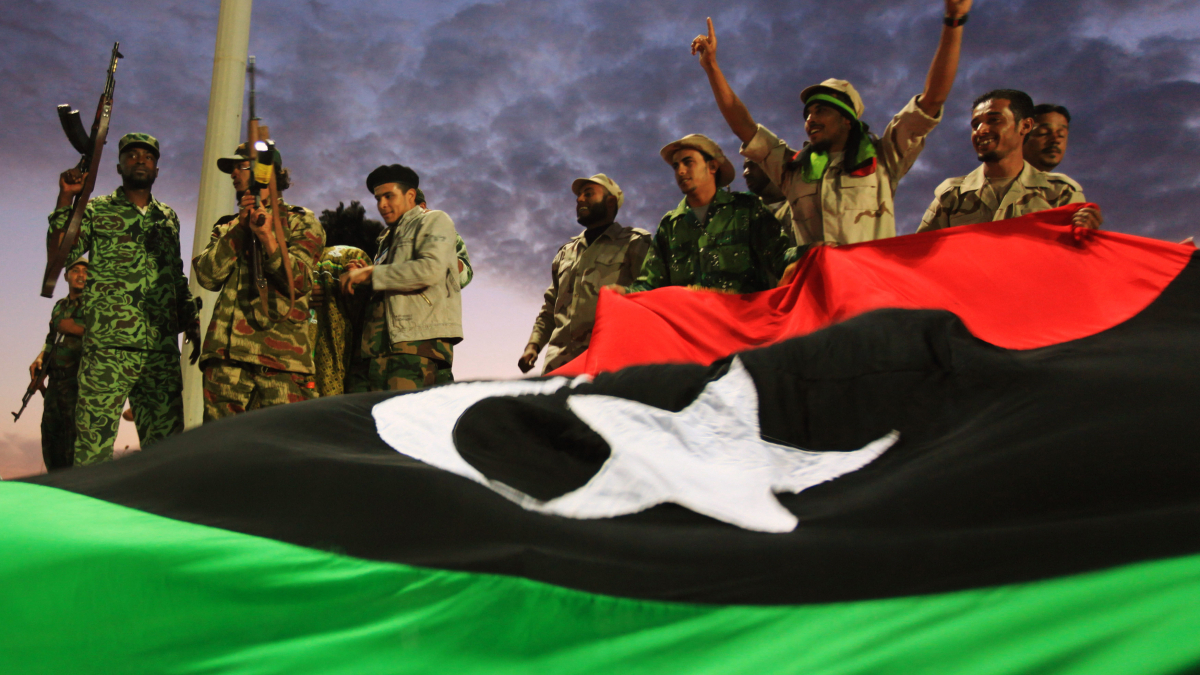
Rebel forces advanced along the coastal highway, captured Tripoli in August, and Gaddafi was killed in Sirte in October.
Post-Gaddafi transition
The National Transitional Council served as the interim authority after the fall of Tripoli and oversaw the transition until power was transferred to the elected General National Congress in 2012.
The General National Congress operated alongside numerous armed groups that had formed during the uprising. Armed Islamist factions gained influence in eastern areas including Derna and parts of Benghazi.
The attack on the U.S. diplomatic mission in Benghazi in September 2012, in which the U.S. ambassador and three other personnel were killed, occurred during this period of competing armed actors and limited central authority.
Rival governments
Parliamentary elections that year deepened institutional division. The eastern House of Representatives was supported by the Libyan National Army under Khalifa Haftar, while western-aligned groups retained control of Tripoli.
Fighting expanded to oil terminals including Es Sider and Ras Lanuf, while airports, ministries and financial institutions were contested by armed factions.
In 2016, the UN-backed Presidency Council arrived in Tripoli and announced a Government of National Accord, although its authority was not fully recognised by institutions in the east.
Islamic State militants briefly controlled parts of Sirte before being pushed out by western-aligned forces with U.S. air support later that year.
War around Tripoli and 2020 ceasefire
In April 2019, Haftar’s forces launched an offensive toward Tripoli, advancing through Gharyan and surrounding areas.
Thousands of people were displaced from the southern Tripoli districts and fighting continued into 2020 until a ceasefire was announced in October.
The ceasefire was followed by UN-led talks in Geneva that produced a roadmap and the selection of a unity government in early 2021.
Stalled political transition
Nationwide elections were planned for 24 December 2021, and more than 2.8 million Libyans registered to vote.
The election did not proceed after disputes over candidate eligibility, legal procedures and the sequencing of presidential and parliamentary ballots.
From 2022 to 2024, discussions continued over a constitutional basis for elections, involving delegations meeting in Geneva, Cairo and Tunis.
Institutions including the Central Bank of Libya and the National Oil Corporation were subject to rival claims and leadership disputes amid the broader political split.
Armed clashes occurred intermittently in Tripoli, Misrata and Zawiya, and foreign fighters and military contractors remained present despite the 2020 ceasefire terms.
By 2025 and early 2026, Libya did not have an agreed-upon electoral timeline.
The House of Representatives in the east and the Government of National Unity in Tripoli continued to issue competing decisions.
Localised clashes persisted in western Libya, and disputes over the leadership of security bodies and key state institutions remained unresolved.
The reported killing of Saif al-Islam Gaddafi in February 2026 in Zintan took place during this period of continued political division.
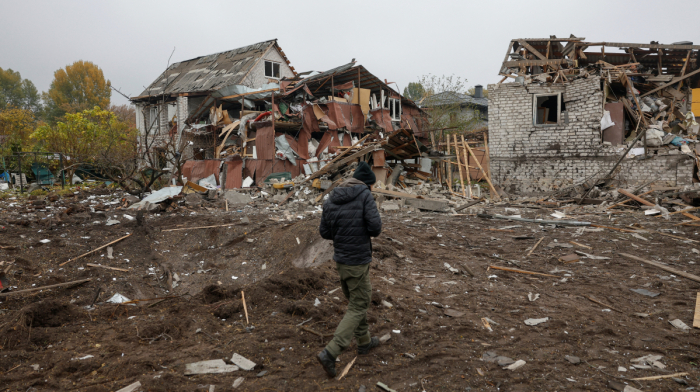
Russian strikes on Ukraine overnight killed at least two people and injured 15 others, including two children, Ukrainian authorities said. Meanwhile, Russia said it had intercepted the vast majority of 630 Ukrainian drones launched towards Moscow.
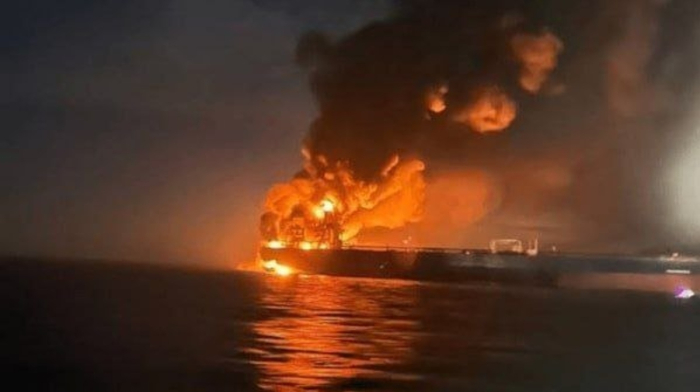
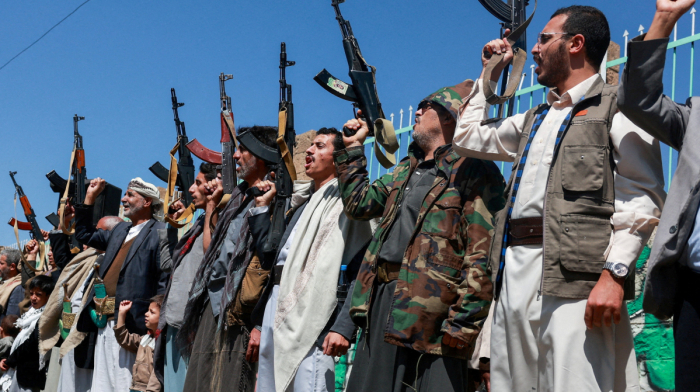
Saudi Aramco has ordered staff to evacuate its headquarters amid escalating Houthi attacks on the kingdom. Two people were killed in an attack on Dammam airport, while Iran's IRGC Navy claimed strikes on seven vessels and warned the U.S. of a wider response.
Russia is willing in principle to resume peace talks with Ukraine and the United States in November, Kremlin aide Yuri Ushakov said after President Vladimir Putin met U.S. special envoy Steve Witkoff in St Petersburg.
Yemen's Houthis have denied targeting the holy city of Medina on Wednesday adding that they have not conducted any military operations towards Saudi Arabia either, denying earlier comments from the Saudi-led coalition in Yemen.
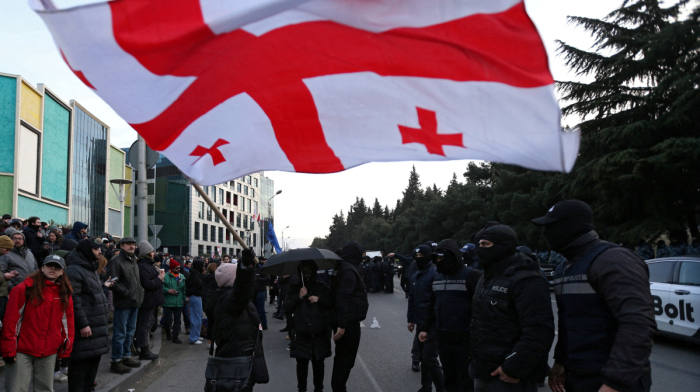
Georgia’s Constitutional Court in Batumi will on Wednesday hear a lawsuit seeking to ban five Georgian opposition parties, four of which collectively gained 784,820 votes (37.79 per cent) in the country’s last national elections in 2024.
Saudi Aramco has ordered staff to evacuate its headquarters amid escalating Houthi attacks on the kingdom. Two people were killed in an attack on Dammam airport, while Iran's IRGC Navy claimed strikes on seven vessels and warned the U.S. of a wider response.
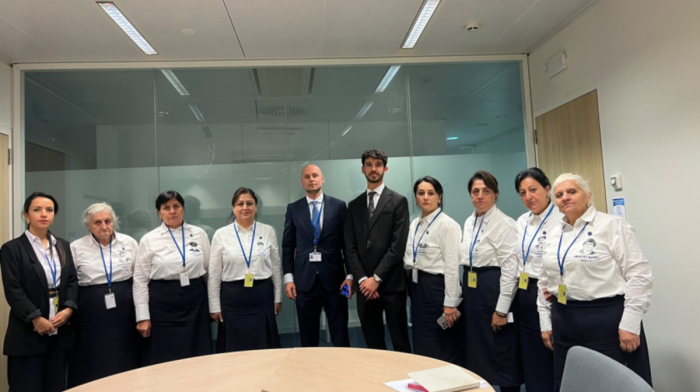
Azerbaijani families of people missing since the Garabagh conflict have taken their appeal to EU officials in Brussels, calling for greater international support in clarifying the fate of their relatives and locating mass graves.
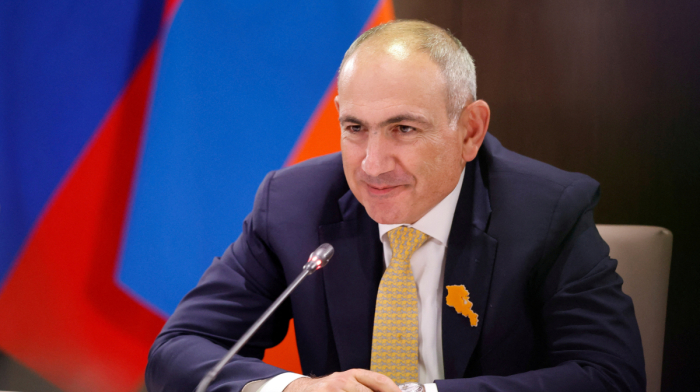
A peace treaty between Azerbaijan and Armenia could be signed in 2027 or 2028, Armenian Prime Minister Nikol Pashinyan said on Thursday, state news agency Armenpress reported.
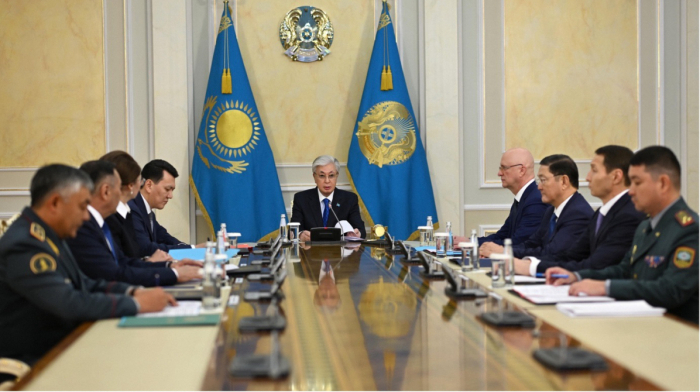
Kazakhstan is preparing sweeping military reforms after 14 service members died during exercises in the Caspian Sea. President Kassym-Jomart Tokayev approved the plans on 21 October, with major changes to training, oversight and defence capabilities set to begin in 2027.
Iranian officials have stepped up warnings of retaliation amid the threat of renewed U.S.-Israeli strikes, while signalling that a diplomatic solution remains possible if Washington demonstrates a sincere commitment to rebuilding trust.
Download the AnewZ app
You can download the AnewZ application from Play Store and the App Store.











What is your opinion on this topic?
Leave the first comment