Large fire tears through Jakarta leaving hundreds displaced
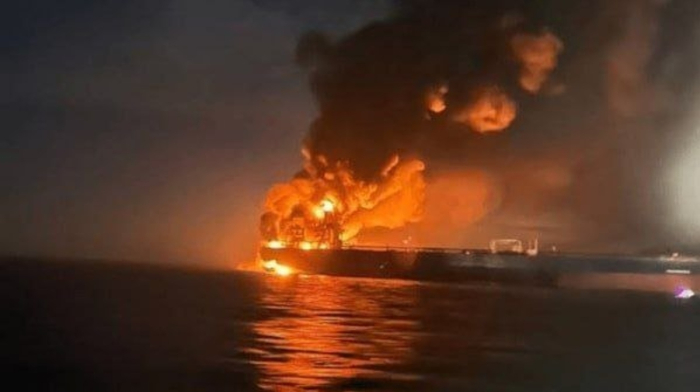
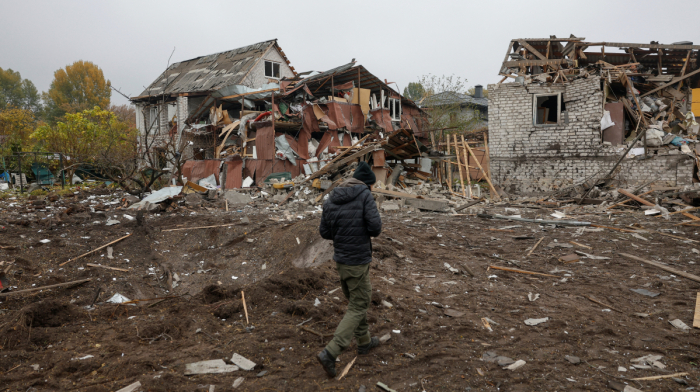
Hundreds of people were left homeless after a massive fire in Indonesia's capital Jakarta affected more than 300 houses, according to state-run media ...
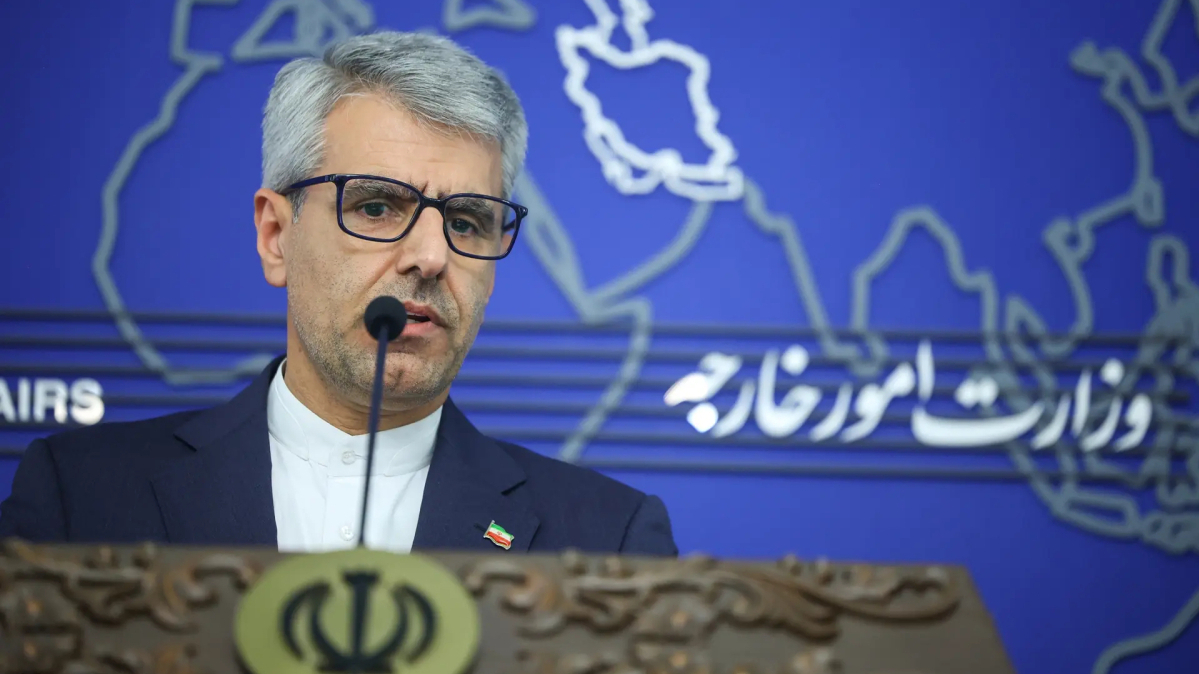
Iran’s Foreign Ministry has strongly rejected a U.S. magazine report on the death toll during January unrest. Nationwide protests erupted in response to soaring inflation and a national currency crisis.
Spokesman Esmaeil Baghaei tagged it a “A Hitler-style big lie,” in a post on X, adding “isn't this the number they planned to kill in the streets of Iran?!”.
His comment comes after the New York-based American news magazine Time claimed “as many as 30,000 people could have been killed in the streets of Iran on Jan. 8 and 9 alone.”
Unrest broke out on 29 December and spread rapidly across the country after street protests over rocketing inflation and a steep fall in the Iranian currency, the Rial.
The official questioned the reported death toll terming it "fake news" as part of the western media warfare against Iran.
“They failed, though, and now they're trying to fake it in the media. Truly vicious!,” read his post.
Foreign Minister Abbas Araghchi said the death toll in the riots reached 3,117, including both civilians and members of the security forces because, he added, armed terrorists were present among the demonstrators on 8 January.
Parliament Speaker Mohammad Bagher Ghalibaf made a similar claim a week earlier. He said “thousands” of people were killed during the protests, adding that the high number was due to attacks by “terrorists and Daesh-style (Islamic State)” agents against by-passers and law-enforcement forces.
Authorities have blamed the U.S. and Israel for being behind violent unrest as U.S. President Donald Trump threatened that he would use force against Iran if it executed the arrested protesters.
Trump has said that the U.S. is "watching Iran" and is moving the ships towards the country "just in case" he decides to take action.
In response to threats, Iran unveiled a mural in Tehran on Sunday showcasing a strike on a U.S. aircraft carrier and its burning flag.

U.S. rapper Kanye West, now known as Ye, performed to a crowd of 118,000 people in Istanbul on Saturday night, marking his first concert in Europe in more than a decade, despite being barred from performing in several countries over past antisemitic remarks.
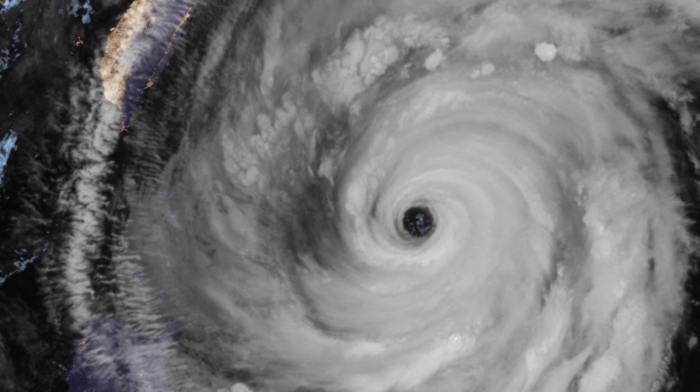
Okinawa lost transport links and suffered widespread power outages on Monday (1 June) as Severe Tropical Storm Jangmi brought destructive winds and heavy rain to Japan's south-western islands.
U.S. Secretary of State Marco Rubio has held talks with Lebanese President and Israeli Prime Minister on efforts to ease tensions between Israel and Lebanon. According to a U.S. official, Washington has proposed a plan aimed at achieving a gradual de-escalation of hostilities.
Unsealed records from the U.S. Department of Justice have renewed scrutiny of lawyer Robert Amsterdam after documents revealed communications between his law firm and Jeffrey Epstein's office. The disclosures have drawn attention because of Amsterdam's prominent role in Armenia.
The United States has moved to close a regulatory gap that may have allowed advanced AI chips to reach Chinese-linked firms overseas despite export restrictions.
When Armenians vote on 7 June, they will be voting in an election shaped by months of political change and a rapidly deepening relationship with the European Union. The result may not only determine who governs Armenia but also the future direction of the country's geopolitical alignment.
The Baku-Tbilisi-Kars (BTK) railway is resuming operations on 2 June after extensive modernisation works. Officials from Azerbaijan, Georgia and Türkiye are set to gather in Akhalkalaki for a launch event marking the reopening of one of the Middle Corridor's most important transport links.
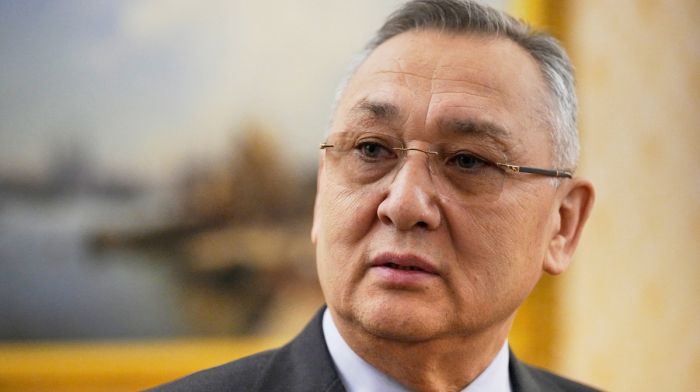
Kazakhstan is open to expanding its oil export routes through Azerbaijan and advancing joint energy infrastructure projects across the Caspian region, Energy Minister Yerlan Akkenzhenov told AnewZ in an exclusive interview in Baku.
Russia's Foreign Ministry spokeswoman Maria Zakharova praised Georgia for resisting Western pressure (30 May), defending its national interests and pursuing a "multi-vector foreign policy" - language that closely mirrors the rhetoric of the ruling Georgian Dream party.
As Armenia approaches parliamentary elections, Russia appears to be increasing political and economic pressure on Yerevan, signalling that closer integration with the EU could lead to significant changes in labour, transport and energy arrangements between the two countries.
You can download the AnewZ application from Play Store and the App Store.
What is your opinion on this topic?
Leave the first comment