Large fire tears through Jakarta leaving hundreds displaced
Hundreds of people were left homeless after a massive fire in Indonesia's capital Jakarta affected more than 300 houses, according to state-run media ...
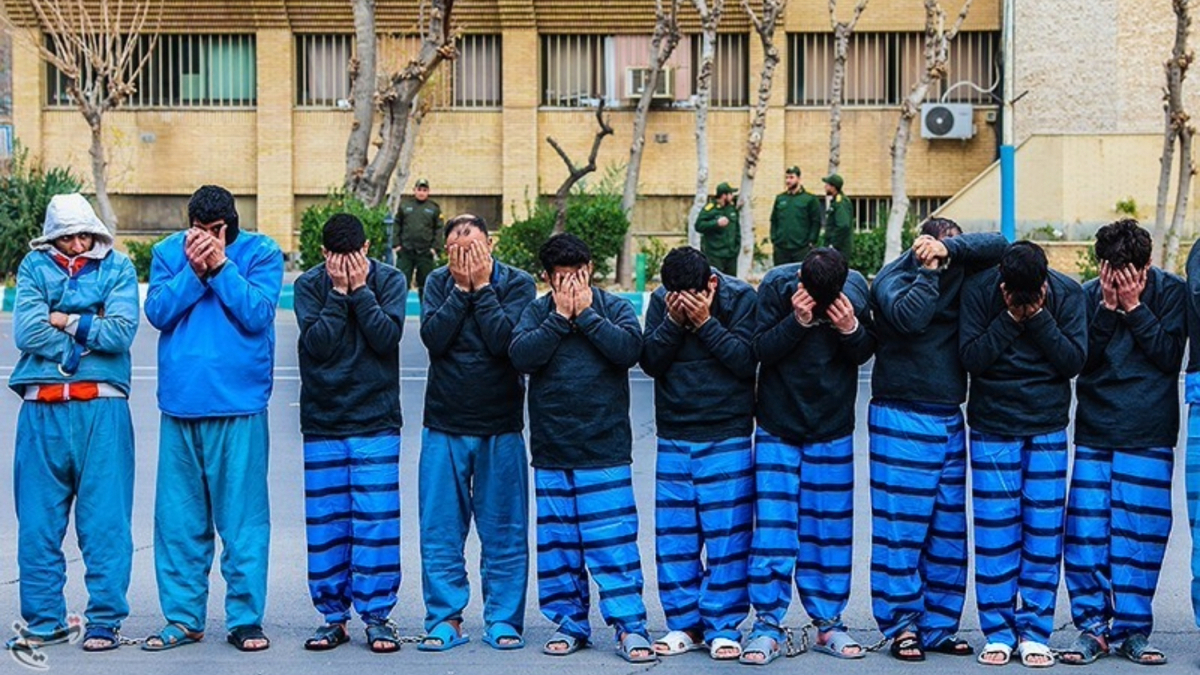
Tasnim News Agency says more than 150 people identified by Iranian authorities as organisers and key actors in recent unrest in Yazd have been arrested.
According to Tasnim’s account, the arrests centre on individuals described by officials as leading or coordinating recent unrest in the city.
The agency said that those detained were associated with groups that Iranian authorities classify as hostile, including members of the Baha’i community, supporters of the Rey-Start group, individuals said to have links to the Taliban, and people alleged to be connected with foreign-based media outlets such as Iran International.
Tasnim’s report focused on the identities and affiliations of those detained as characterised by officials. It did not provide additional information about the operations or the circumstances of the arrests.
According to Human Rights Watch, the Baha’is constitute Iran’s largest unrecognised non-Muslim religious minority, with estimates placing the community at around 300,000 people.
Their faith, founded in the 19th century in the country, is not recognised by the state, which classifies Baha’is as outside the accepted religious framework.
Human Rights Watch and Minority Rights Group International report that since the 1979 revolution, Baha’is in Iran have faced restrictions on education, employment and property, along with periodic arrests.
Rights groups describe these measures as systemic discrimination, while the community maintains that it is non-political and centred on principles of equality and peaceful conduct.
Meanwhile the Iranian state has rejected a resolution by the United Nations’ Human Rights Council that strongly condemned the “violent crackdown on peaceful protests” by security forces that left thousands dead.
The human rights council called on Iran to stop the arrests of people in connection with the protests, and to take steps to “prevent extrajudicial killing, other forms of arbitrary deprivation of life, enforced disappearance, sexual and gender-based violence” and other actions violating its human rights obligations.
Iran said that the Western-led sponsors of the emergency meeting on Friday had never genuinely cared for human rights in Iran, or else they would not have imposed sanctions that have devastated the Iranian population over the past decade.

U.S. rapper Kanye West, now known as Ye, performed to a crowd of 118,000 people in Istanbul on Saturday night, marking his first concert in Europe in more than a decade, despite being barred from performing in several countries over past antisemitic remarks.
Okinawa lost transport links and suffered widespread power outages on Monday (1 June) as Severe Tropical Storm Jangmi brought destructive winds and heavy rain to Japan's south-western islands.
U.S. Secretary of State Marco Rubio has held talks with Lebanese President and Israeli Prime Minister on efforts to ease tensions between Israel and Lebanon. According to a U.S. official, Washington has proposed a plan aimed at achieving a gradual de-escalation of hostilities.
Unsealed records from the U.S. Department of Justice have renewed scrutiny of lawyer Robert Amsterdam after documents revealed communications between his law firm and Jeffrey Epstein's office. The disclosures have drawn attention because of Amsterdam's prominent role in Armenia.
The United States has moved to close a regulatory gap that may have allowed advanced AI chips to reach Chinese-linked firms overseas despite export restrictions.
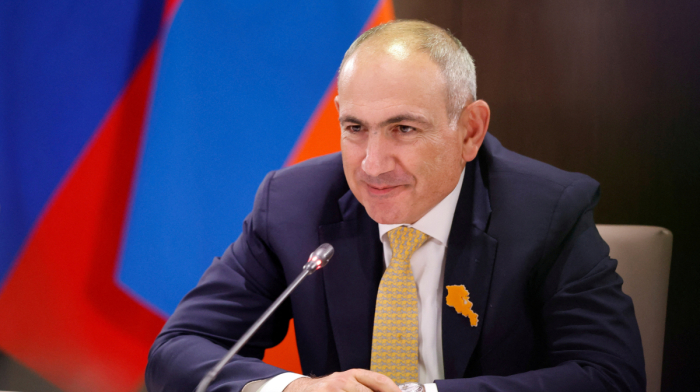
When Armenians vote on 7 June, they will be voting in an election shaped by months of political change and a rapidly deepening relationship with the European Union. The result may not only determine who governs Armenia but also the future direction of the country's geopolitical alignment.
The Baku-Tbilisi-Kars (BTK) railway is resuming operations on 2 June after extensive modernisation works. Officials from Azerbaijan, Georgia and Türkiye are set to gather in Akhalkalaki for a launch event marking the reopening of one of the Middle Corridor's most important transport links.
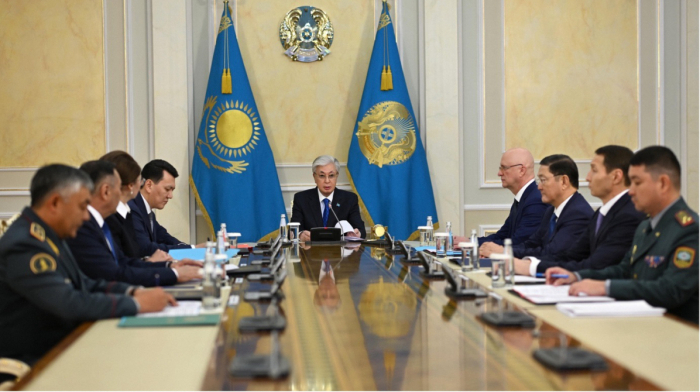
Kazakhstan is open to expanding its oil export routes through Azerbaijan and advancing joint energy infrastructure projects across the Caspian region, Energy Minister Yerlan Akkenzhenov told AnewZ in an exclusive interview in Baku.
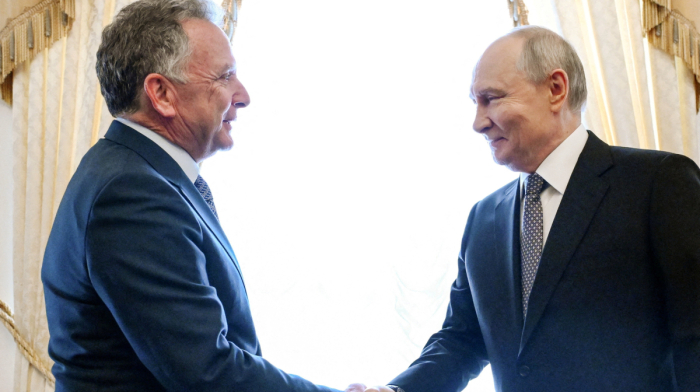
Russia's Foreign Ministry spokeswoman Maria Zakharova praised Georgia for resisting Western pressure (30 May), defending its national interests and pursuing a "multi-vector foreign policy" - language that closely mirrors the rhetoric of the ruling Georgian Dream party.
As Armenia approaches parliamentary elections, Russia appears to be increasing political and economic pressure on Yerevan, signalling that closer integration with the EU could lead to significant changes in labour, transport and energy arrangements between the two countries.
You can download the AnewZ application from Play Store and the App Store.
What is your opinion on this topic?
Leave the first comment