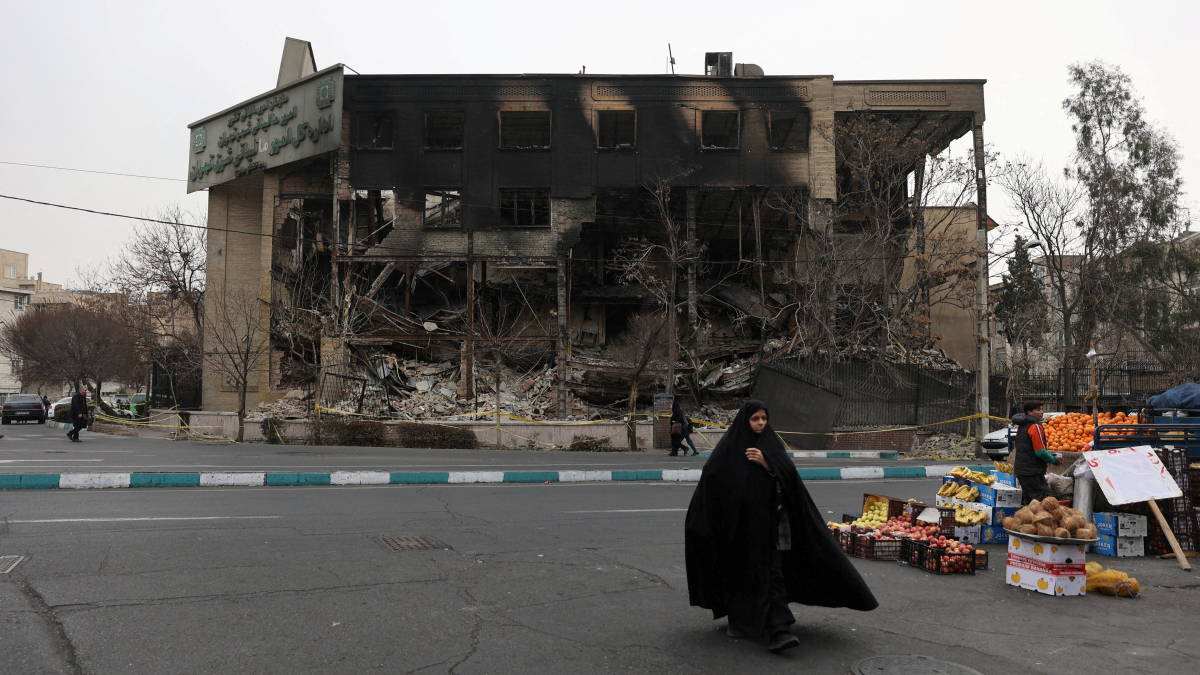
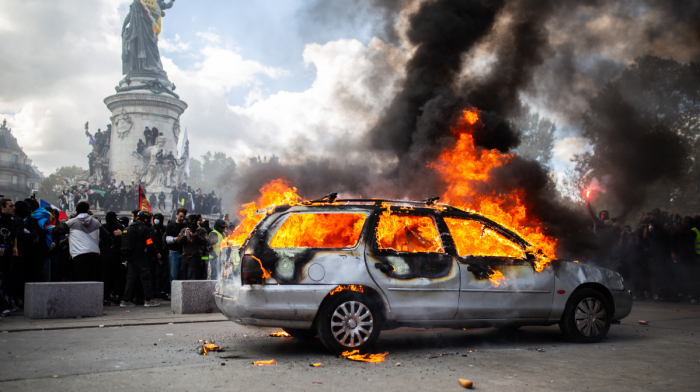
Iranian authorities say 3,117 people, most of them civilians, were killed during weeks of unrest across the country, marking the first official death toll released since protests erupted late last year.
The figure was announced by the Foundation of Martyrs and Veterans Affairs, which said the data was compiled using information from the Iranian Legal Medicine Organization, a forensic body linked to the judiciary. Of those killed, 2,427 were civilians and security personnel, according to the statement.
The foundation described the deaths as resulting from what it called “terrorist incidents”, accusing armed groups of targeting bystanders and protesters through what it termed indiscriminate violence. It said some victims were passers-by, while others were protesters allegedly shot by “organised terrorist elements” within crowds.
The protests began in late December in Tehran before spreading to other cities, driven by worsening economic conditions, including sharp currency depreciation and rising inflation. Violence escalated weeks later following calls for demonstrations by Reza Pahlavi, the son of Iran’s former monarch.
Iranian officials have rejected higher casualty estimates published by some foreign-based human rights groups, which have claimed the death toll exceeds 15,000, mostly protesters. President Masoud Pezeshkian and Foreign Minister Abbas Araghchi have described those figures as false.
Authorities have blamed the unrest on foreign interference, accusing the United States and Israel of backing what they describe as “rioters” and “terrorist groups”. Police say hundreds of people accused of organising violence have been arrested, while the judiciary has warned of strict punishment for those involved.
The announcement comes as the United States and several European countries imposed a new round of sanctions on Iran over what they called a crackdown on protesters. In response, Iranian diplomats were barred from the European Parliament, and Araghchi’s invitation to the World Economic Forum in Davos was withdrawn.
Following the release of the figures, Iran’s Supreme National Security Council said the unrest was part of what it described as a broader campaign by Washington and Tel Aviv to undermine social stability in Iran, a claim rejected by Western governments.










What is your opinion on this topic?
Leave the first comment