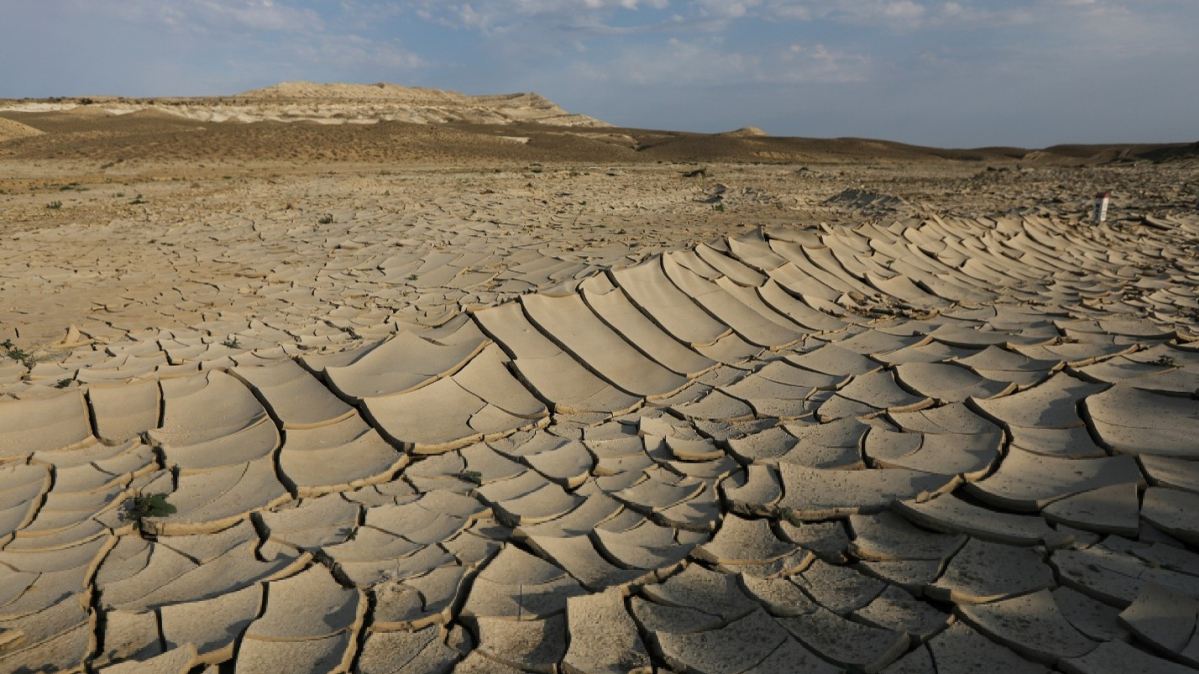
A developing El Niño in the Pacific could become one of the strongest on record, leading to heavier rainfall and a greater risk of severe flooding in parts of Central Asia, while also worsening extreme weather in other parts of the world.
The World Meteorological Organization (WMO) expects the phenomenon to peak by early 2027. Its effects could include extreme heat, drought, heavy rainfall, flooding and crop losses in different parts of the world.
In September, sea surface temperatures in the equatorial Pacific were 3.05 degrees Celsius above average. This was the highest anomaly recorded for an El Niño. By comparison, the threshold for the onset of the phenomenon is just 0.5 degrees above average.
The WMO does not officially use the term “super El Niño”. However, it forecasts that the current event could develop into a “very strong” El Niño, with a significant impact on temperatures and rainfall patterns.
When does an El Niño happen?
El Niño occurs, on average, every two to seven years. It is associated with weaker trade winds and warming in the eastern Pacific Ocean, which can alter the distribution of rainfall and temperatures across different regions of the world.
For Central Asia, one of the possible consequences is increased rainfall. Reuters reports that some parts of the region typically receive more rain during El Niño events, potentially increasing the risk of dangerous flooding.
Combination of global warming and El Niño produces heat
The effects could extend well beyond rainfall patterns.
The combination of El Niño and global warming could make 2027 the hottest year on record. Researchers at the Climate Impact Lab estimate that additional heat could contribute to around 451,000 excess deaths worldwide between June 2026 and February 2027. Early warning systems and measures to protect people working outdoors could significantly reduce this figure.
Does climate change cause El Niño?
El Niño itself is not caused by climate change. However, higher global average temperatures can amplify its effects, making heat, drought, heavy rainfall, wildfires and crop losses more severe.
The developing phenomenon could also put additional pressure on food security.
According to a forecast by the United Nations World Food Programme (WFP), nearly 50 million people could face the risk of acute hunger by the end of 2027 as El Niño develops.
Read more about El Niño:

















What is your opinion on this topic?
Leave the first comment