Kyrgyzstan is considering a referendum on building a nuclear power plant as it seeks long-term solutions to rising energy demand, though officials stress discussions remain at an early stage.
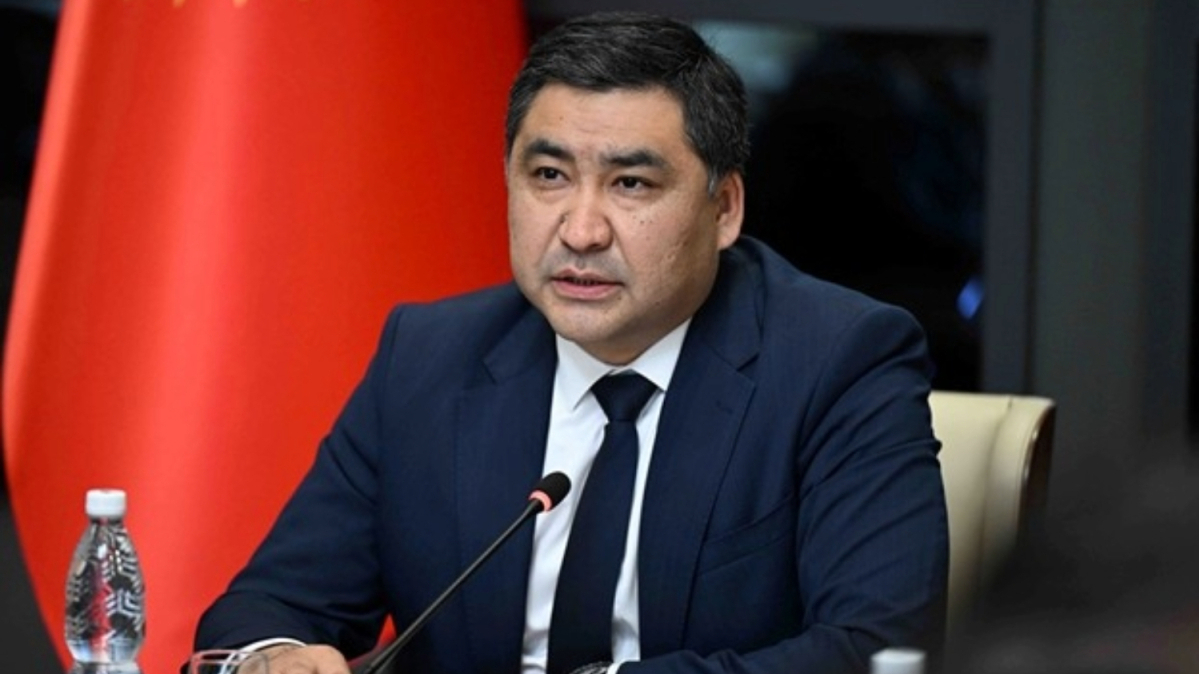
Authorities are not yet discussing construction. Instead, the focus is on laying the groundwork, including developing infrastructure and training specialists. First Deputy Chairman of the Cabinet of Ministers, Daniyar Amangeldiev, said these steps are essential before any decision can be made, signalling a cautious and phased approach.
At the same time, Bishkek continues negotiations with Russia’s state nuclear corporation, Rosatom, which is viewed as a potential partner should the project proceed. For now, cooperation is centred on technical preparation rather than firm commitments.
Referendum and public support
The political dimension is equally significant. Authorities say any final decision will depend on public backing, with plans to put the issue to a nationwide referendum. The framing is deliberate: nuclear energy is being presented not only as a technological choice but also as a question of the country’s development path and pace.
Pressure on the energy system is increasing. As the economy expands, electricity demand continues to grow, exposing the limits of existing capacity. Hydropower, which dominates Kyrgyzstan’s energy mix, remains vulnerable to seasonal fluctuations, making the search for a stable baseload source increasingly urgent.
In this context, nuclear energy is being discussed as a potential means of ensuring long-term reliability.
Regional momentum and partnerships
Kyrgyzstan is also closely monitoring regional developments. In neighbouring Kazakhstan, a 2024 referendum resulted in public support for constructing a nuclear power plant, with Rosatom acting as the general contractor. This has added momentum to broader discussions across Central Asia about diversifying energy sources.
Alongside this, Bishkek is strengthening wider energy ties with Moscow. In Kazan, Kyrgyz Energy Minister Taalaibek Ibraev and Russian Energy Minister Sergey Tsivilev signed an agreement covering the supply of electrical equipment, technology exchange, and the potential creation of joint production facilities.
Uncertain timeline, pivotal moment
According to Kyrgyz officials, the agreement is expected to support the modernisation of the country’s energy infrastructure, facilitate the adoption of advanced technologies, and strengthen domestic industrial capacity.
However, the central question - whether the public is ready to embrace nuclear energy - remains unresolved. While no timeline has been announced for a potential referendum, the discussion itself signals that Kyrgyzstan is approaching a pivotal moment in shaping its future energy mix.














What is your opinion on this topic?
Leave the first comment