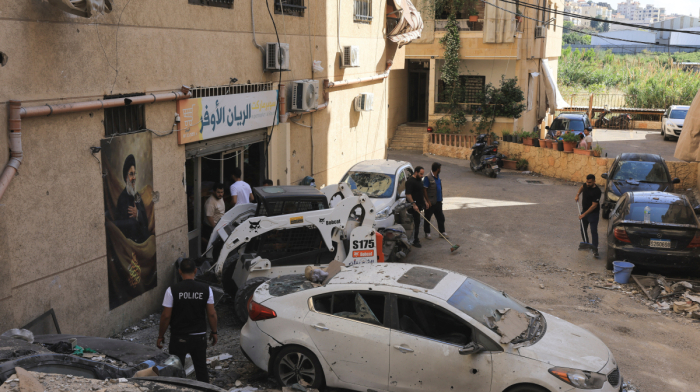
As tensions escalate in the Middle East, Kazakhstan is assessing the impact on its trade routes, diplomatic ties and citizens in the region. Analysts say the crisis could test Astana’s ability to balance economic interests, security concerns and foreign policy priorities.
The unfolding situation is being closely monitored in the Kazakh capital, where policymakers are evaluating its possible consequences. Experts note that Kazakhstan is exposed not only through global markets, but also via its logistical links, foreign policy commitments and the presence of thousands of its citizens across the region.
Particular attention is focused on Iran, which holds strategic importance for Kazakhstan. Tehran is regarded not only as a market for exports such as agricultural products and metals, but also as a key link in the International North–South Transport Corridor. The route was designed to give Kazakhstan the shortest access to the Persian Gulf and onwards to the markets of India and South Asia.
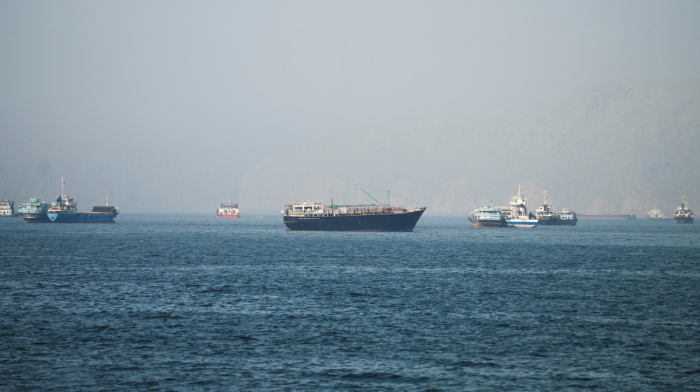
However, analysts warn that the prospect of direct armed conflict on Iranian territory significantly increases transit risks. Insurance costs rise, delays become more frequent and logistical uncertainty reaches levels considered unacceptable for large-scale business. In such conditions, the corridor temporarily loses much of its economic appeal.
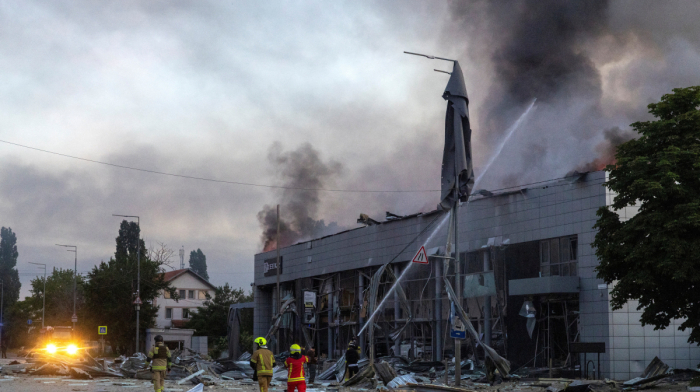
The crisis has also affected Kazakh citizens abroad, prompting a coordinated response from the authorities. According to official data, 96 Kazakh citizens are currently in Iran, with diplomatic services preparing evacuation plans via overland routes. At the same time, thousands of Kazakh nationals have been stranded in the Gulf region. Following a series of drone attacks on Dubai and its airports, many tourists have been unable to return home. Hotels are operating at full capacity and accommodation prices have risen sharply.
Kazakhstan’s consular services remain in constant contact with citizens and are assisting with temporary accommodation. Figures from the Touristik Qamqor foundation indicate that more than 4,000 Kazakh nationals are currently unable to leave the United Arab Emirates, Qatar and Saudi Arabia amid the deteriorating security situation.
Cautious response
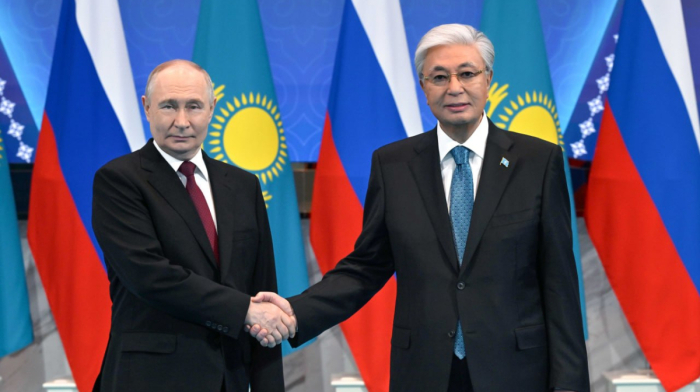
Astana’s diplomatic response has been deliberately restrained. President Kassym-Jomart Tokayev has sent personal messages to the leaders of the United Arab Emirates, Saudi Arabia, Qatar, Bahrain and Kuwait, expressing support and solidarity with their peoples during what he described as a period of severe trial.
In his messages, the head of state condemned military actions aimed at undermining the sovereignty and security of countries Kazakhstan considers friendly. He reaffirmed his readiness to provide any feasible assistance and to maintain close working contacts with their leadership.
Beyond the immediate risks, experts are discussing longer-term scenarios that could reshape the region’s economic geography. Kazakh economist Almas Chukin, speaking in an interview with AnewZ, suggested that a potential shift in Iran’s political course, followed by the lifting of sanctions, could significantly alter regional dynamics.
For Central Asia - a region doubly landlocked from the world’s oceans - Iran represents the most logical and direct logistical corridor to global markets, he argued. The distance from the rail link between Turkmenistan and Iran to the Persian Gulf is approximately 1,200 to 1,500 kilometres, comparable to the distance between Astana and Almaty.
Access to Gulf ports, Chukin said, would open routes to global maritime trade, from where shipments to major European hubs, including Rotterdam, take roughly three to four weeks. Under such a scenario, reliance on complex and costly oil export routes via Russia, the Black Sea, the Bosphorus and the Mediterranean would diminish.
The rail route to Europe through Iran - estimated at around 3,500 kilometres from the Turkmen border - is only slightly longer than the distance from Almaty to Moscow. The emergence of a relatively affluent, educated and economically significant neighbour, he added, could broaden the region’s economic horizons, providing more direct access to global markets and to a domestic market of around 80 million people.










What is your opinion on this topic?
Leave the first comment