live Iran closes Strait of Hormuz again over U.S. blockade, state media says- Saturday 18 April
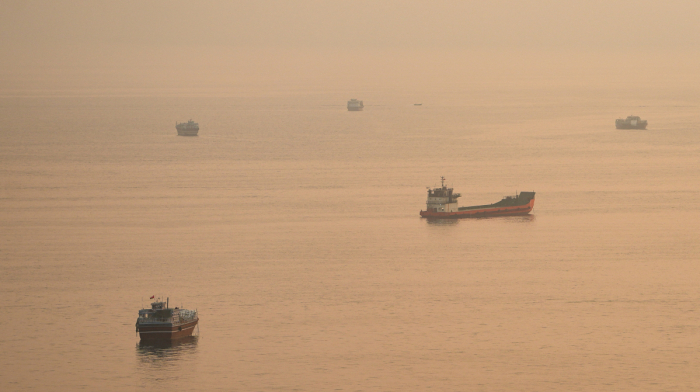
Iran's Islamic Revolutionary Guards Corps (IRGC) said in a Saturday statement that the Strait of Hormuz has...
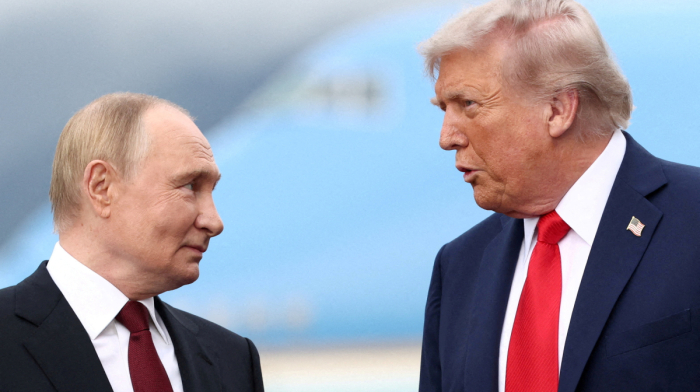
Turkish President Recep Tayyip Erdoğan and Russian President Vladimir Putin met for a closed-door discussion on the sidelines of the International Forum for Peace and Trust in Ashgabat, Turkmenistan, on Friday.
The discussions, attended by Turkish Foreign Minister Hakan Fidan, Energy Minister Alparslan Bayraktar, and senior Russian and Turkish advisors, focused on strengthening bilateral relations and addressing regional challenges, including the ongoing Russia-Ukraine conflict.
The forum, which marks the 30th anniversary of Turkmenistan’s UN-recognised permanent neutrality, brought together leaders from across the region, including Iran’s President Masoud Pezeshkian, officials from Kazakhstan and Pakistan, and a special envoy from China. The gathering highlights Turkmenistan’s growing role as a neutral platform for high-level diplomacy in Central Asia.
According to statements from the Turkish Presidency, Erdoğan and Putin discussed economic and energy cooperation, as well as security issues linked to the Ukraine war. The meeting comes amid increased international focus on Eastern Europe and NATO’s ongoing assessments of potential Russian military threats.
Alongside the bilateral talks, Putin also met with Pezeshkian to discuss strategic cooperation in energy, nuclear projects, and transport corridors connecting Russia to South Asia via Iran. Analysts suggest these discussions reflect Moscow and Tehran’s expanding ties as Russia faces increasing diplomatic and economic isolation from Western countries under sanctions
For Turkmenistan, hosting the forum reinforces its position as a neutral convening power. President Serdar Berdymukhamedov highlighted the country’s efforts to modernise governance, diversify the economy, and enhance international engagement while maintaining its official neutrality.

The past 24 hours of the Russia-Ukraine war have seen a drastic escalation in both aerial bombardment and frontline losses.
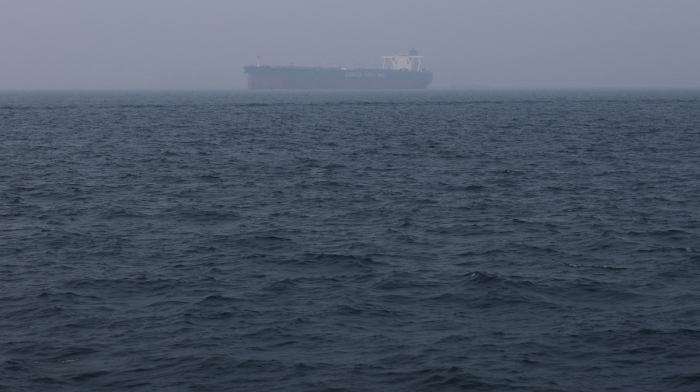
Iran reopened the Strait of Hormuz to commercial shipping on Friday (17 April) for the first time since the U.S. and Israel killed Iran's ex-Supreme Leader in air strikes, triggering the Middle East conflict, at the end of February. A U.S. blockade on Iranian ports, however, remains in force.
Russia published addresses of manufacturers allegedly producing drones or components for Ukraine on Wednesday (15 April), warning European countries against plans to step up UAV supplies to Kyiv.
Iran's Islamic Revolutionary Guards Corps (IRGC) said in a Saturday statement that the Strait of Hormuz has returned to its "previous state" under the control of its "armed forces," citing the ongoing U.S. blockade on Iranian ports.
Netflix shares fell sharply on Friday after the streaming group issued a weaker-than-expected outlook and said chairman and co-founder Reed Hastings will step down from the board.
Global leaders have gathered in Antalya Diplomacy Forum, with discussions centred on geopolitical uncertainty and international cooperation.
Syrian President Ahmed al-Sharaa has said his country could provide a “safe corridor” and “alternative route” for regional energy shipments, as supply disruptions continue to affect the wider Middle East.
An average of at least 47 women and girls were killed each day during the war in Gaza, according to new figures released by UN Women.
China is seeking to strengthen and upgrade its cooperation with Turkmenistan, focusing on what officials describe as “high-quality development” across a range of sectors.
Kazakhstan plans to boost trade with Afghanistan from $500 million to $3 billion, backed by infrastructure and transit projects designed to strengthen regional connectivity and improve access to global markets.
You can download the AnewZ application from Play Store and the App Store.
What is your opinion on this topic?
Leave the first comment