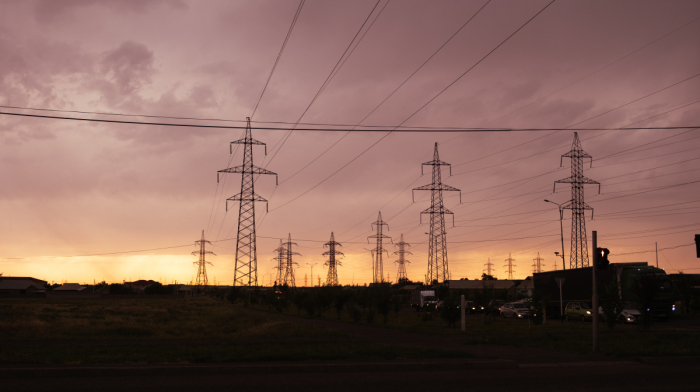
Uzbekistan, Kyrgyzstan and Tajikistan have begun upgrading cross-border electricity transmission lines to increase regional power capacity, a move announced after high-level meetings in Tashkent and confirmed by officials in Bishkek.
The project, supported by the World Bank, aims to strengthen energy security ahead of major hydropower developments and rising demand. Kyrgyzstan’s Minister of Energy, Taalaibek Ibraev, said the three states are expanding transmission capacity in border areas with the support of the World Bank’s Regional Electricity Market Integration in Central Asia (REMIT) programme.
Ibraev confirmed the initiative, noting that upgrades are essential to ensure reliable energy exchange between neighbouring countries.
President Shavkat Mirziyoyev met with Minister Ibraev in Tashkent, where both sides reaffirmed their commitment to deeper cooperation in electricity trade, hydropower development and the stability of the regional grid. According to the President’s Office, Uzbekistan prioritises long-term collaboration with Kyrgyzstan and Tajikistan in “green energy and cross-border infrastructure.”
Kambarata HPP-1 Project
A central element of future cooperation is the Kambarata Hydropower Plant-1, one of Central Asia’s largest planned hydropower projects.
According to official information, the plant is expected to have a capacity of 1,860 MW and a reservoir volume of 5.4 billion cubic metres. Officials from all three countries have stated that the project will additionally power industrial clusters and support agricultural production.
Uzbekistan, Kazakhstan and Kyrgyzstan have previously announced plans to attract funding from international financial institutions for Kambarata-1, with discussions ongoing since 2023.
Upgrading existing transmission lines is expected to reduce bottlenecks and improve the stability of electricity flows, particularly during winter shortages. The World Bank’s REMIT programme aims to strengthen regional market integration, reduce technical losses and support the shift towards renewable energy.
Energy experts note that regional grid modernisation is a prerequisite for hydropower expansion and for meeting rising consumption across Central Asia. With cross-border upgrades now under way and Kambarata-1 progressing in the planning stage, governments expect a more resilient, interconnected electricity system in the coming years.













What is your opinion on this topic?
Leave the first comment