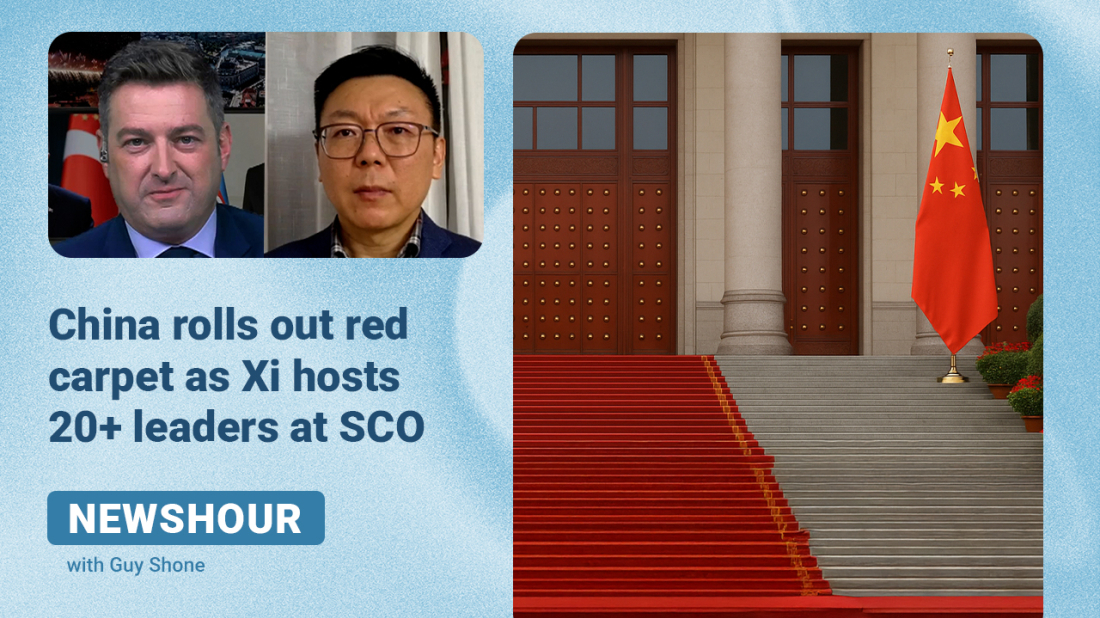
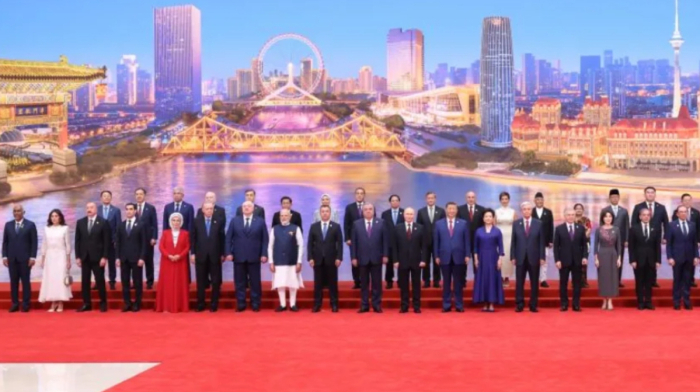
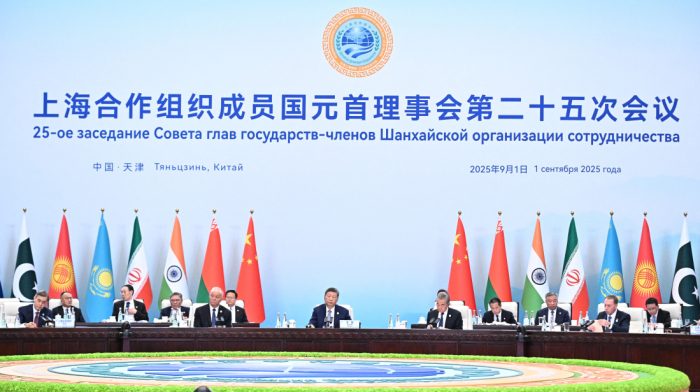
China is preparing to host the largest Shanghai Cooperation Organisation (SCO) summit in its history, with more than 20 heads of state set to gather in Tianjin from 31 August to 1 September.
President Xi Jinping will welcome Russian President Vladimir Putin, Indian Prime Minister Narendra Modi, Iranian President Masoud Pezeshkian, and United Nations Secretary-General António Guterres, in what Beijing is billing as a show of Global South solidarity.
The SCO, launched in 2001 by China, Russia and four Central Asian states, has nearly doubled in membership and now presents itself as a counterweight to Western-led alliances. The summit is expected to produce the 'Tianjin Declaration,' addressing counterterrorism, renewable energy, and digital cooperation, while also advancing discussions on a long-proposed SCO Development Bank.
For Modi, the trip marks his first visit to China in seven years, underscoring cautious re-engagement despite lingering border tensions. For Putin, it offers another chance to strengthen trilateral ties with Beijing and New Delhi, presenting Russia as anything but isolated.
With optics, symbolism, and strategic messaging at its heart, the Tianjin summit could reshape how the SCO is perceived—either as a genuine platform for multipolar leadership or primarily as a diplomatic stage for China and Russia.
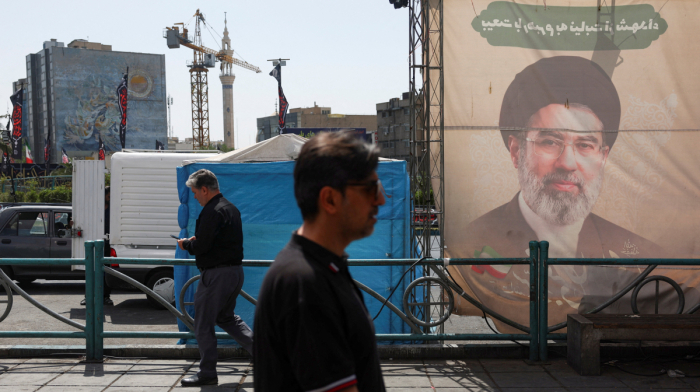
U.S. President Donald Trump sought a deal with Iran "out of deperation," Iranian Supreme Leader Mojtaba Khamenei has said, in a statment on social me...
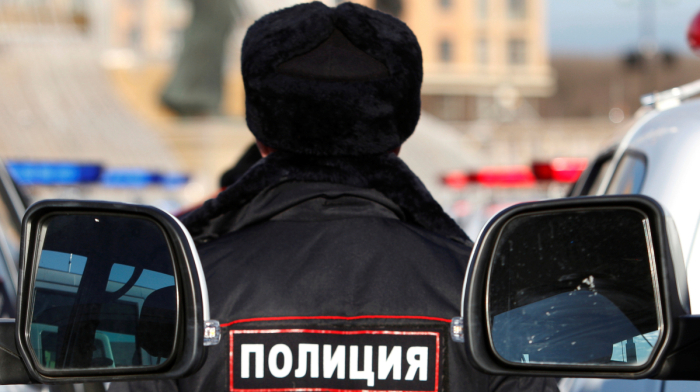
The leader of an extremist group that carried out so-called "Sharia patrols" targeting people suspected of drinking alcohol in Russia's Kabardino-Balk...
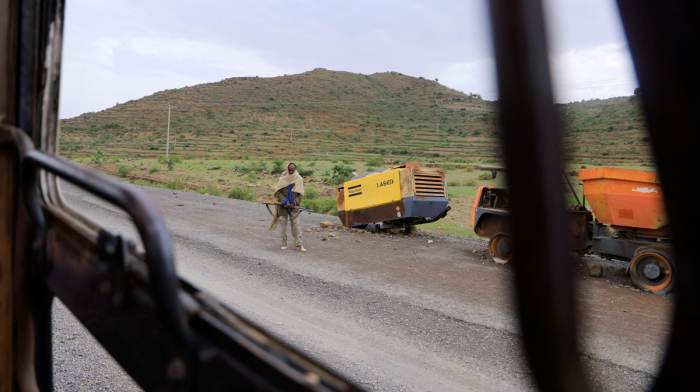
The U.S. has announced new visa restrictions targeting individuals it says are undermining peace efforts in Ethiopia, focusing on hardline members of ...
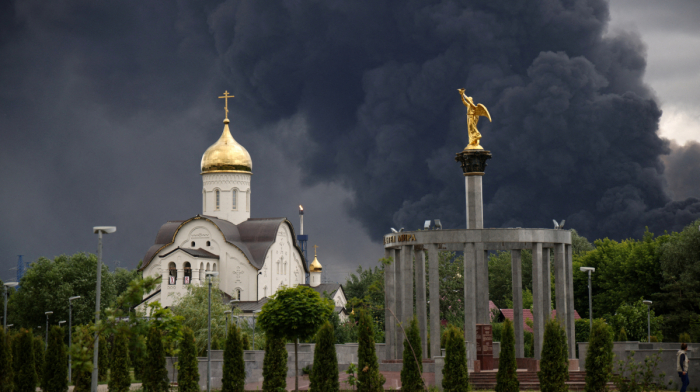
A Ukrainian drone strike has hit an oil refinery in south-east Moscow for the second time in three days, triggering a major fire, disrupting flights a...
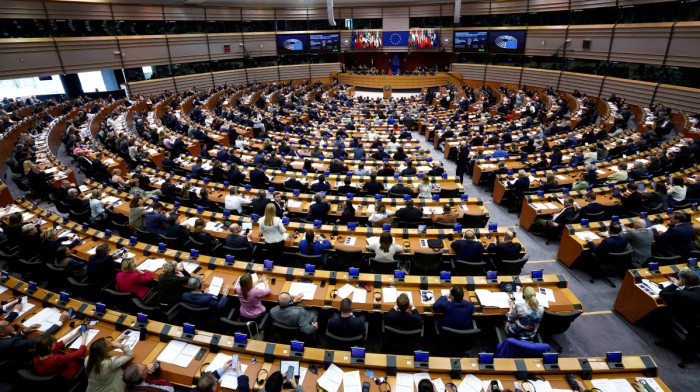
The European Parliament has adopted one of its strongest resolutions on Georgia to date, calling for the release of political prisoners, backing sanct...
The 2025 Shanghai Cooperation Organisation (SCO) Summit, held in Tianjin, China, has been hailed as one of the most significant gatherings in the bloc’s history.
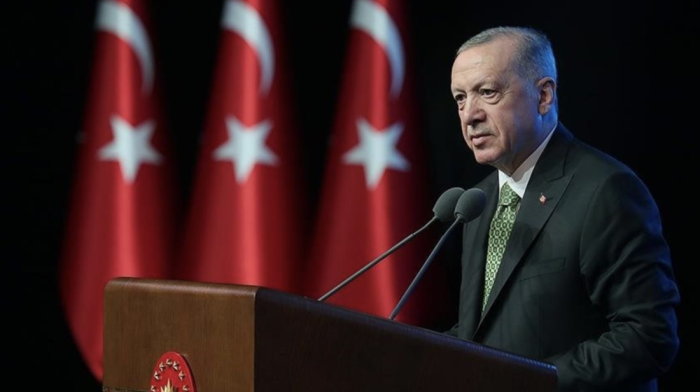
Turkish President Recep Tayyip Erdoğan outlined Türkiye’s efforts to strengthen ties with Beijing while also pushing forward on global peace and regional stability.
The Shanghai Cooperation Organization (SCO) summit in Tianjin has drawn unprecedented attention. With the largest gathering in its history, the SCO now stands as one of the most significant multilateral platforms in Eurasia.
AnewZ has learned that India has once again blocked Azerbaijan’s application for full membership in the Shanghai Cooperation Organisation, while Pakistan’s recent decision to consider diplomatic relations with Armenia has been coordinated with Baku as part of Azerbaijan’s peace agenda.
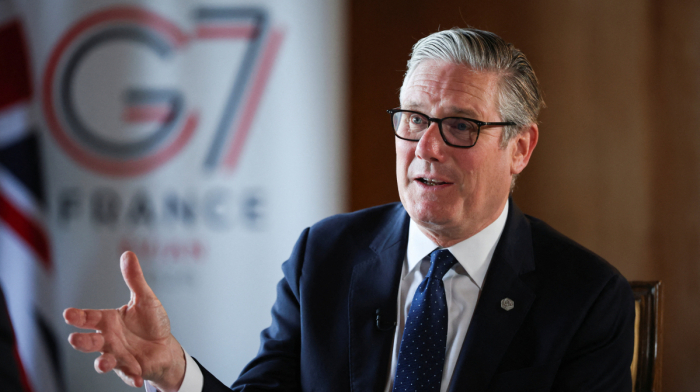
Donald Trump has said the U.S. will resume bombing Iran if Tehran doesn't "behave," at the sidelines of the G7 summit in France. Earlier, the U.S. President criticised Israel for its tactics against Hezbollah, saying it was unnecessary to bomb entire apartment buildings to tackle militants.
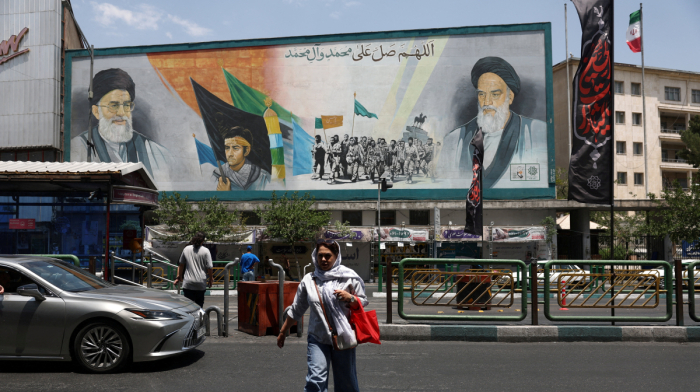
U.S. President Donald Trump sought a deal with Iran "out of deperation," Iranian Supreme Leader Mojtaba Khamenei has said, in a statment on social media. Khamenei added that he himself "held a different view," to Trump, but allowed the agreement after receiving assurances from Iran's President.
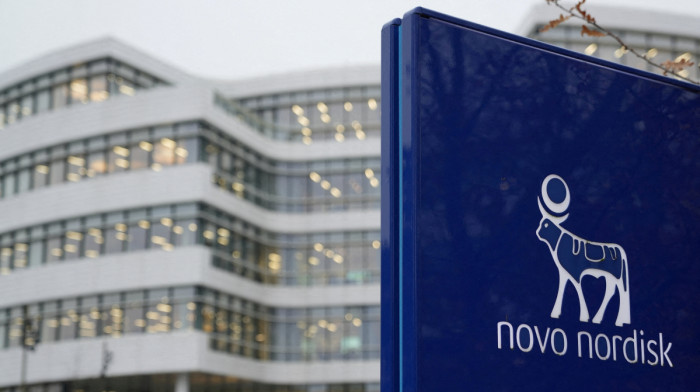
A cyber extortion group has claimed it stole more than a terabyte of data from Danish pharmaceutical giant Novo Nordisk after the company allegedly refused to pay a $25 million ransom.
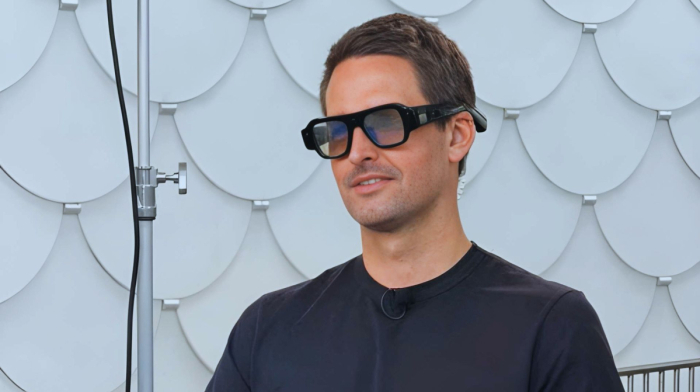
American technology company Snap has launched its first augmented-reality (AR) glasses for consumers, marking a major push into wearable computing as tech firms race to redefine personal devices in the AI era.
Britain has announced an additional £8 million ($11 million) to help Pakistan combat illegal migration, human trafficking and organised crime, while praising Islamabad's role in diplomacy that helped secure the recent U.S.-Iran agreement.
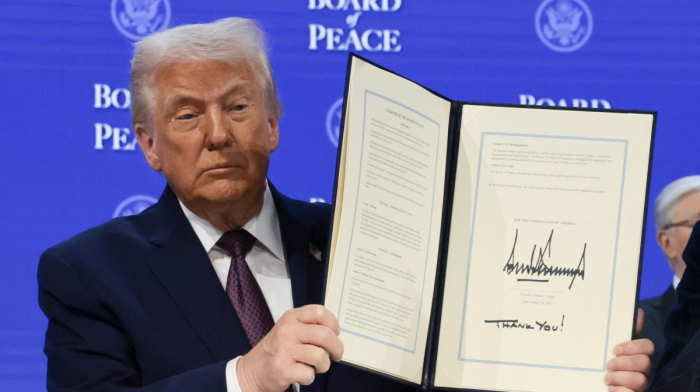
In a special edition of Context, Orkhan Amashov reports from Washington on the inaugural meeting of the Board of Peace, examining plans for Gaza’s reconstruction, a proposed stabilisation force, and the wider diplomatic impact of the U.S.-led initiative.
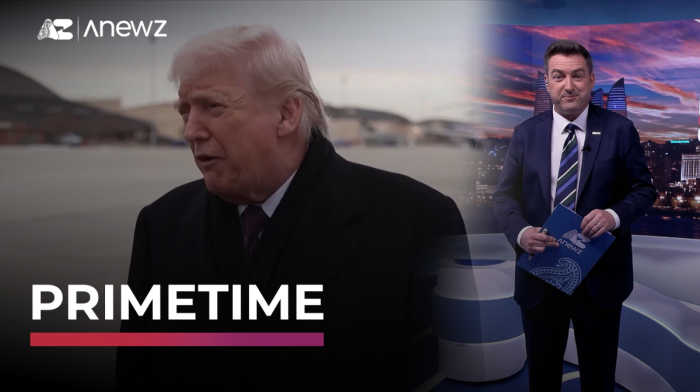
In today’s Prime Time, we covered the following conversations: Azerbaijan has shipped petroleum products to Armenia by rail for the first time in decades, marking a significant step toward economic cooperation and regional integration in the South Caucasus.














What is your opinion on this topic?
Leave the first comment