live U.S. continues strikes on Iranian targets for 13th night
The U.S. military said it completed a fresh wave of strikes on Iran late on Thursday, marking the 13th consecutive night of American attacks. The late...
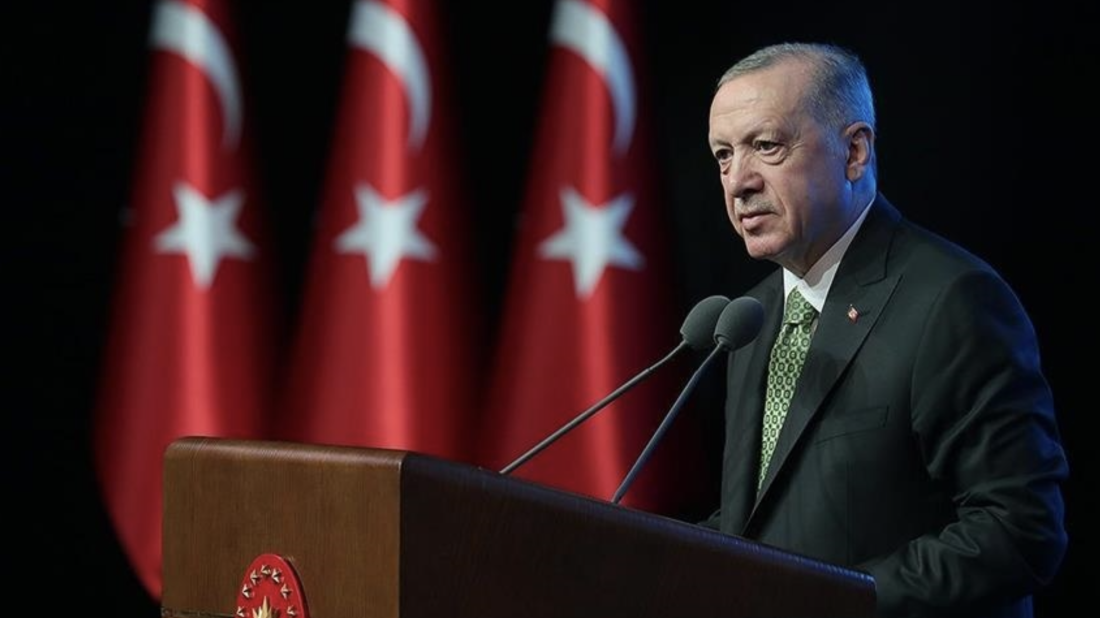
Turkish President Recep Tayyip Erdoğan outlined Türkiye’s efforts to strengthen ties with Beijing while also pushing forward on global peace and regional stability.
Türkiye is stepping up efforts to deepen ties with China, while also keeping a firm hand in global peace diplomacy.
President Recep Tayyip Erdoğan, speaking on his return from the SCO Summit in Tianjin, said Ankara is working to expand cooperation with Beijing in fields ranging from trade and energy to health and digital technologies. He underlined that Türkiye doesn’t see East–West division, but rather seeks to build connections across regions.
Erdogan also pressed for China’s support in shaping what he called a more prosperous international order, noting that Türkiye will continue to defend dialogue-based, people-centered policies on every platform.
On the Russia-Ukraine war, he reaffirmed that negotiations remain the only path to peace. Erdoğan recalled Türkiye’s success in brokering the Black Sea grain corridor and prisoner swaps, saying talks in Istanbul had already proven the potential of dialogue. He emphasized that Ankara stays in close contact with both President Vladimir Putin and President Volodymyr Zelenskyy, urging all sides to make peace over the conflict.
Erdogan also highlighted regional developments, pointing to the Zangezur Corridor agreement between Azerbaijan and Armenia as a step that will boost trade, open borders, and to expand normalization in the South Caucasus.
For Ankara, strengthening ties with Beijing, advancing peace in Ukraine, and supporting regional stability all point that Türkiye intends to advocate for world peace and stability.

Start your day informed with AnewZ Morning Brief. Here are the top news stories for the 23rd of July, covering the latest developments you need to know.
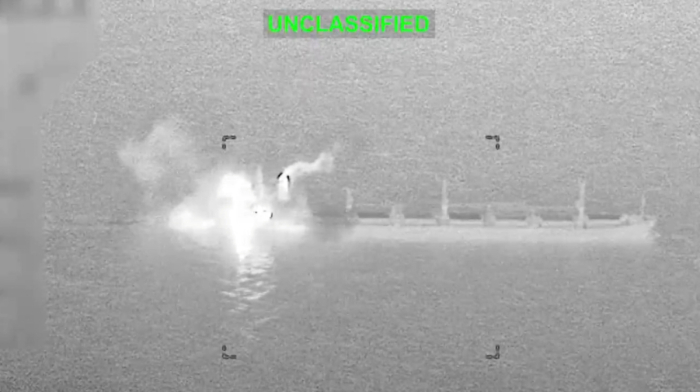
U.S. strikes on Iran entered a 12th consecutive night, while Yemen's Houthis said they attacked two Saudi oil tankers in the Red Sea, urging President Donald Trump to warn Tehran it would be held responsible for any future Houthi attacks.
Start your day informed with AnewZ Morning Brief. Here are the top news stories for the 24th July, covering the latest developments you need to know.
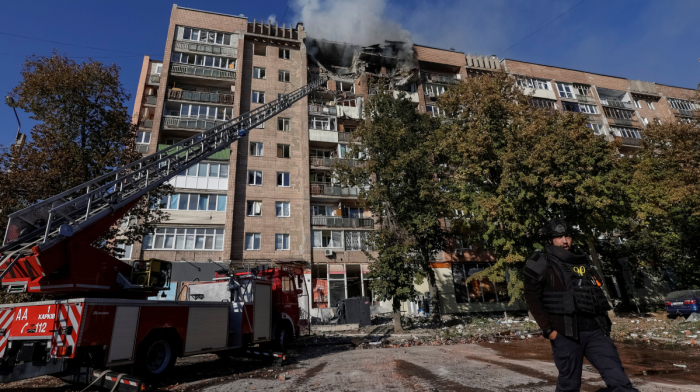
The U.S. military said it completed a fresh wave of strikes on Iran late on Thursday, marking the 13th consecutive night of American attacks. The latest operation lasted more than two hours, according to U.S. Central Command.
Aleksandar Vučić's visit to Kyiv on 15 July appeared to send a geopolitical signal. But the significance of the trip lies less in the journey itself than in the limits Serbia carefully observed.
A new state agency wants the world to take Georgian food as seriously as Georgians already do.
Kazakhstan's grain sector faces a difficult season as drought reduces harvest prospects while mounting security risks in the Black Sea threaten to redirect cheaper Russian grain into Central Asian markets.
Uzbekistan welcomed 6.56 million foreign tourists in the first six months of 2026, a 24.9% increase compared with the same period last year, according to the National Statistics Committee. The figures underline the country's growing appeal as one of Central Asia's leading travel destinations.
Azerbaijan’s Milli Majlis has condemned discussion of Bill H.R. 9087 by the U.S. House Foreign Affairs Committee, rejecting what it described as unfounded accusations against Baku and warning the measure could undermine efforts to advance the Azerbaijan-Armenia peace process.
Pakistan on Thursday warned Yemen's Houthi movement that any attack on Pakistani-flagged vessels or the country's maritime interests would cross a "red line" and trigger a response under its right to self-defence.
You can download the AnewZ application from Play Store and the App Store.
What is your opinion on this topic?
Leave the first comment