Iran sees surge in protests as unrest spreads nationwide
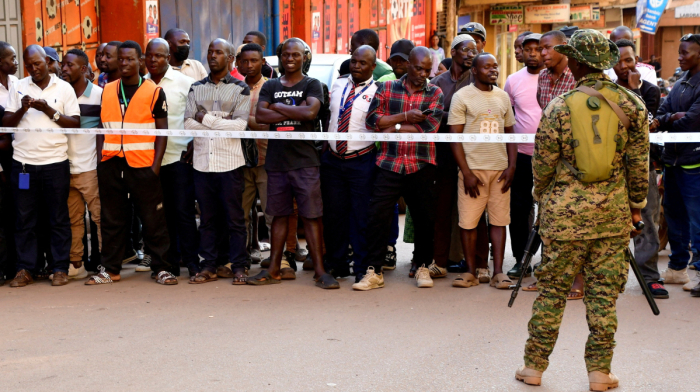
Protests continued into another day in Iran, with crowds returning to the streets despite mounting pressure from the authorities. By scale and spread,...
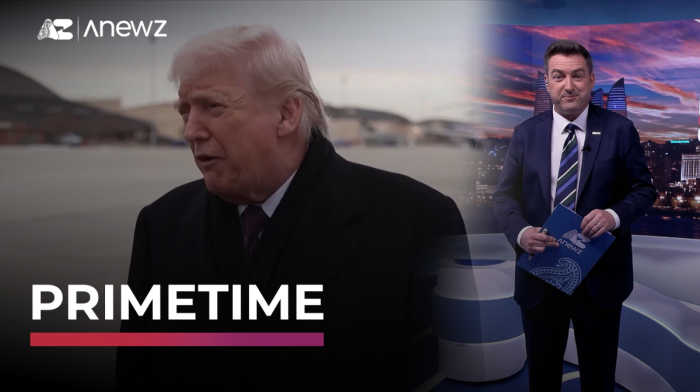
Primetime leads with Europe’s struggle over frozen Russian state assets, as European Union governments argue over whether the money can be used to support Ukraine while U.S. funding slows. The programme breaks down what the assets are, who owns them, why Belgium and other states are worried about legal fallout, and how the deadlock is exposing cracks inside the bloc.
Attention then shifts to diplomatic activity around the Ukraine conflict, including EU talks on security guarantees and the lack of any response from Moscow, raising doubts about whether a settlement is possible in the near term.
The business segment tracks major global developments, from efforts to extend stock market trading hours in the U.S. to pressure on big technology firms in Europe, legal battles involving major media organisations, and significant shifts in the auto and consumer technology sectors.
In the as-live updates, the programme reports on Iran’s foreign minister arriving in Moscow after meetings in Belarus, the UK warning its citizens against all travel to Afghanistan, and intelligence concerns that Russia is using tactics below open warfare to intimidate Britain and its allies.
The show also carries reports from Libya on energy ambitions, Iraq’s water crisis, and the latest developments following the Bondi Beach shooting in Australia.
Germany’s foreign intelligence service secretly monitored the telephone communications of former U.S. President Barack Obama for several years, including calls made aboard Air Force One, according to an investigation by the German newspaper Die Zeit.
Israeli media report that Israeli Prime Minister Benjamin Netanyahu chaired a lengthy security meeting that reportedly focused on the country’s regional threats, including Gaza, Lebanon, and Iran.
U.S. President Donald Trump said on Sunday (4 January) that the United States could carry out further military action in Venezuela following the capture of President Nicolás Maduro. Speaking to reporters aboard Air Force One, he said Washington now effectively controls the country.
At the end of last year, U.S. President Donald Trump was reported to have raised the Azerbaijan–Armenia peace agenda during a conversation with Israel’s prime minister, warning that if peace were not achieved, Washington could raise tariffs on both countries by 100 percent.
President Ilham Aliyev said 2025 has politically closed the Armenia-Azerbaijan conflict, as a Trump-era reset in U.S. ties, new transport corridors and a push into AI, renewables and defence production reshape Azerbaijan’s priorities.
In today’s Prime Time, we covered the following conversations: Azerbaijan has shipped petroleum products to Armenia by rail for the first time in decades, marking a significant step toward economic cooperation and regional integration in the South Caucasus.
You can download the AnewZ application from Play Store and the App Store.
What is your opinion on this topic?
Leave the first comment