Hopes for a peace deal on Iran faded on Tuesday after Donald Trump said a ceasefire with Iran was "on life support" as Tehran rejected a U.S. proposal to end the conflict and stuck to a list of demands the U.S. president described as "garbage".
Iran has called for an end to the war on all fronts, including in Lebanon, where U.S. ally Israel is fighting Iran-backed Hezbollah. Tehran also emphasised its sovereignty over the Strait of Hormuz, demanded compensation for war damage, and an end to the U.S. naval blockade, among other conditions.
Trump said Iran's response threatened the status of a ceasefire that began on 7 April.
"I would call it the weakest right now, after reading that piece of garbage they sent us. I didn't even finish reading it," Trump, who has repeatedly threatened to end the ceasefire, told reporters.
The U.S. had proposed an end to fighting before starting talks on more contentious issues, including Iran's nuclear programme.
Oil price climbs
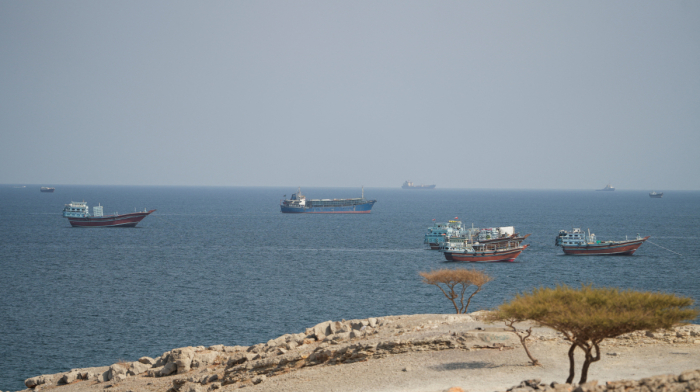
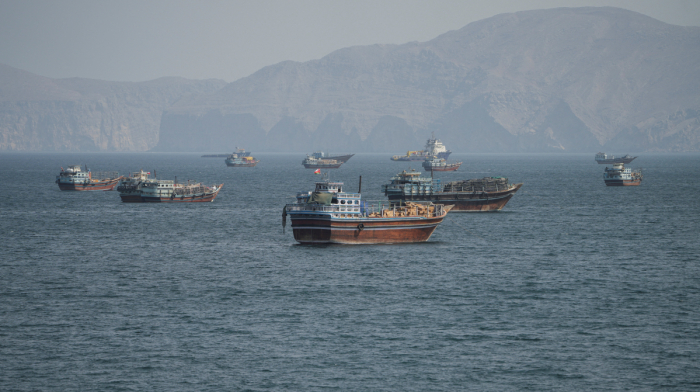
Brent crude oil futures extended gains in early Asian trade on Tuesday, climbing above $104.50 a barrel, as the deadlock left the Strait of Hormuz largely closed. Before the war began on 28 February, the narrow waterway carried one-fifth of the world's oil and liquefied natural gas shipments, and has since become a central pressure point in the conflict.
Disruption caused by the near-closure of the strait has forced oil producers to cut exports, and OPEC oil output dropped further in April to the lowest in more than two decades, a Reuters survey showed on Monday.
New sanctions
The United States on 11 May imposed new sanctions on individuals and companies it said were helping Iran ship oil to China, part of efforts to cut off funding for Tehran’s military and nuclear programmes, while also warning banks about attempts to evade existing curbs.
Trump is expected to arrive in Beijing on Wednesday, where Iran is set to be among the topics discussed with Chinese President Xi Jinping.
Trickle of shipping through Hormuz
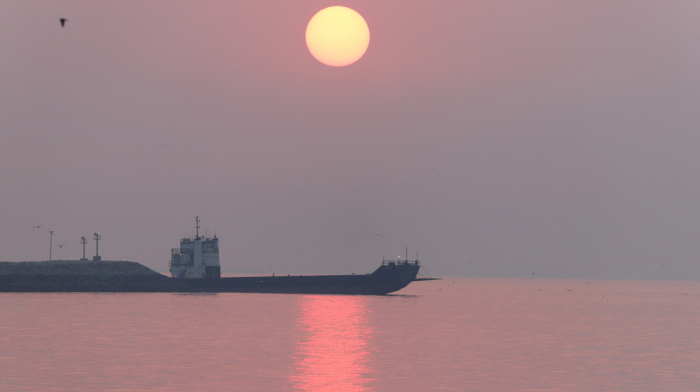
Traffic through the Strait of Hormuz is at a trickle compared with before the war. Shipping data on Kpler and LSEG showed that three tankers laden with crude exited the waterway last week, with trackers switched off to avoid an Iranian attack.
A second Qatari LNG tanker was attempting to transit the strait, the data showed, days after the first such cargo crossed under an arrangement involving Iran and Pakistan.
War unpopular in U.S.
In the U.S., surveys show the war is unpopular with U.S. voters who are paying more for fuel less than six months before nationwide elections that will determine whether Trump's Republican Party retains control of Congress.
Two out of three Americans, including one in three Republicans and almost all Democrats, think Trump has not clearly explained why the country has gone to war, according to a Reuters/Ipsos poll completed on Monday.
Washington lacks international support
Washington has also struggled to build international support, with NATO allies refusing to send ships to reopen the waterway without a full peace deal and an internationally mandated mission.
In separate statements on Monday, the State Department said U.S. Secretary of State Marco Rubio held separate calls with his Australian and British counterparts to discuss "ongoing efforts to restore freedom of navigation in the Strait of Hormuz." It did not elaborate.
Hakan Fidan, the Foreign Minister of Türkiye, which has been liaising closely with the U.S., Iran and mediator Pakistan since the start of the war, will hold talks in Qatar on Tuesday on the conflict and on ensuring navigational safety in the strait, a Turkish diplomatic source said.












What is your opinion on this topic?
Leave the first comment