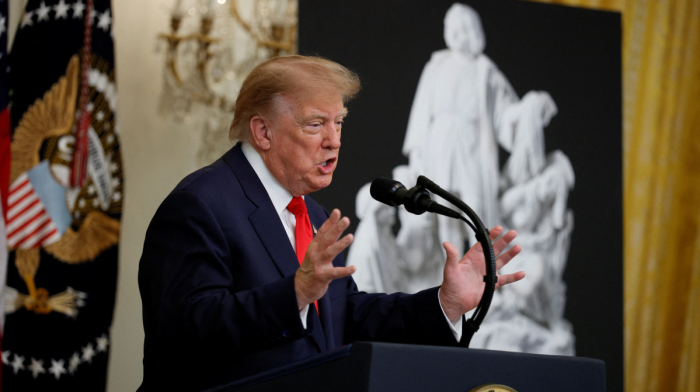
U.S. President Donald Trump said on Monday (11 May) that the fragile ceasefire with Iran was “on life support” after he dismissed Tehran’s response to a U.S. peace proposal, raising fears the 10-week conflict could reignite and further disrupt global energy supplies.
The war, which began on 28 February, has killed thousands across the region and severely disrupted shipping through the Strait of Hormuz, one of the world’s most important energy corridors.
Trump dismisses Iran’s 'stupid' response
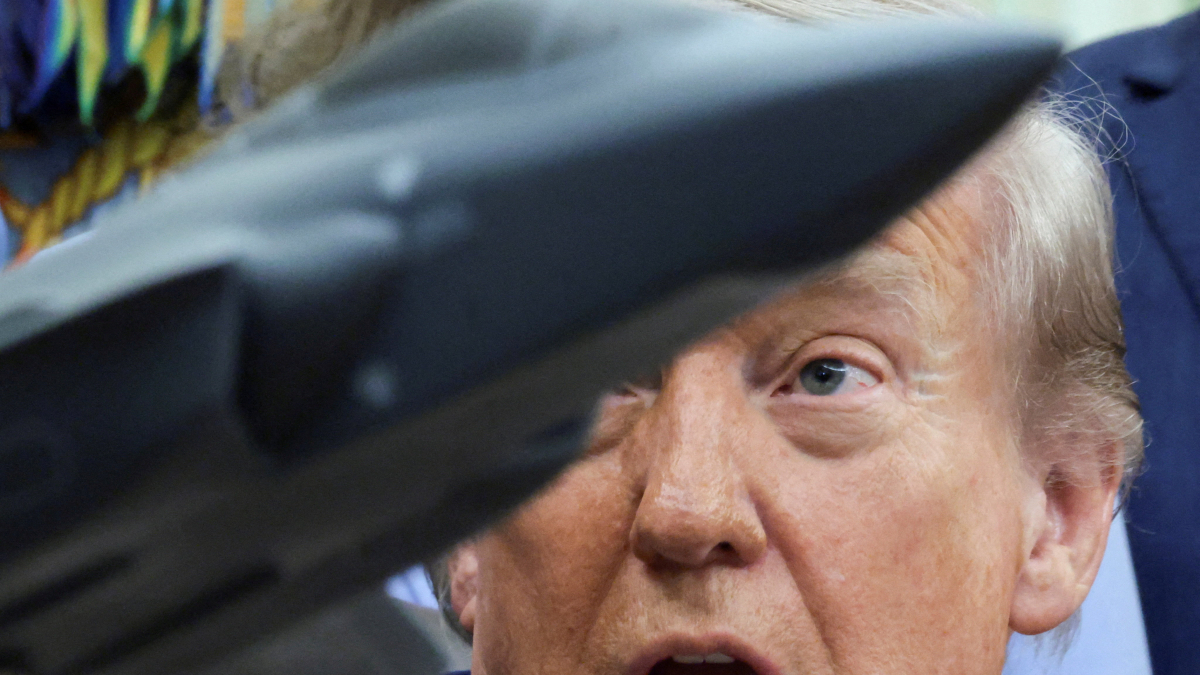
Speaking to reporters at the White House, Trump reacted angrily to Iran’s reply, which was delivered days after Washington proposed restarting negotiations.
“I would call it the weakest right now, after reading that piece of garbage they sent us. I didn't even finish reading it,” Trump said when asked about the state of the ceasefire.
Iran’s response focused heavily on ending hostilities across the region, including in Lebanon, where Israel continues to fight the Iran-backed armed group Hezbollah.
Tehran also demanded compensation for damage caused during the war, called for an end to the U.S. naval blockade, and insisted on what it described as its sovereign rights in the Strait of Hormuz.
The proposal further urged Washington to lift sanctions, remove restrictions on Iranian oil sales, and release Iranian assets frozen abroad.
Iran accuses U.S. of making 'unreasonable demands'
On Monday, Iranian Foreign Ministry spokesperson Esmaeil Baghaei defended Tehran’s position, describing the demands as reasonable.
“Our demand is legitimate: demanding an end to the war, lifting the (U.S.) blockade and piracy, and releasing Iranian assets that have been unjustly frozen in banks due to U.S. pressure,” Baghaei said.
“Safe passage through the Strait of Hormuz and establishing security in the region and Lebanon were other demands of Iran, which are considered a generous and responsible offer.”
Washington’s original proposal sought to halt the fighting before moving on to more divisive issues, particularly Iran’s nuclear programme.
Nuclear tensions remain central
Trump has repeatedly insisted Iran must not obtain a nuclear weapon and has portrayed Tehran’s response as evidence that talks are faltering. On Sunday (10 May), he said Iran had been militarily weakened but warned the conflict was not necessarily over.
“They are defeated, but that doesn't mean they're done,” Trump said in remarks broadcast on Sunday.
Israeli Prime Minister Benjamin Netanyahu also signalled that Israel’s military campaign could continue despite the ceasefire. Speaking to CBS News’ “60 Minutes”, Netanyahu said there was still “more work to be done” regarding Iran’s uranium stockpiles, enrichment facilities and regional proxy groups.
While diplomacy remained the preferred option, he added, Israel was not ruling out further military action.
Strait of Hormuz disruptions fuel market fears
The worsening diplomatic deadlock has unsettled energy markets. Brent crude futures rose 2.7% on Monday to around $104 a barrel as traders reacted to continuing disruption in the Strait of Hormuz. Before the war, roughly one-fifth of global oil and liquefied natural gas shipments passed through the narrow waterway each day.
Maritime traffic through the strait has now slowed dramatically. Shipping data from Kpler and LSEG showed only a handful of crude tankers left the area last week, several with tracking systems switched off amid fears of attack.
A second Qatari liquefied natural gas tanker was also attempting to cross the strait under a reported arrangement involving Iran and Pakistan, days after the first successful transit since the conflict escalated.
The prolonged disruption has already affected global supply. A Reuters survey published on Monday showed OPEC oil production fell further in April to its lowest level in more than two decades as exporters struggled to move cargo through the Gulf.
Diplomatic efforts continue despite fragile ceasefire
The conflict is also becoming increasingly difficult politically for Trump at home. Rising fuel prices have weighed on U.S. consumers less than six months before congressional elections that will determine whether Republicans maintain control of Congress.
International backing for U.S. efforts in the Gulf has also been limited. Several NATO allies have reportedly declined to join any naval mission to reopen the Strait of Hormuz without a broader peace agreement and international mandate.
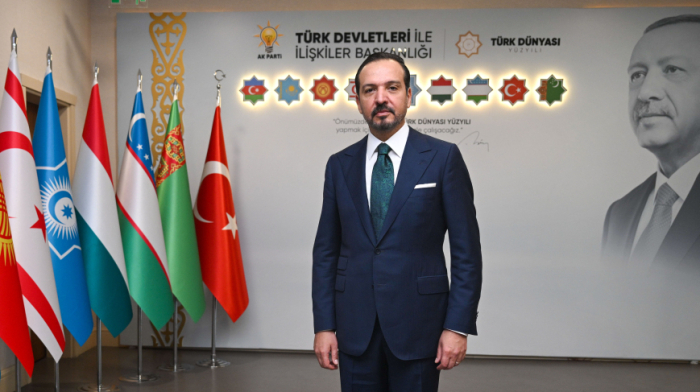
Diplomatic efforts nevertheless continue. Turkish Foreign Minister Hakan Fidan is expected to hold talks in Qatar on Tuesday focused on the conflict and maritime security. Turkey has maintained close contact with the United States, Iran and Pakistan throughout the war.
Meanwhile, Trump is due to arrive in Beijing on Wednesday (13 May), where Iran is expected to feature prominently in discussions with Chinese President Xi Jinping.
Washington has been pressing China to use its influence over Tehran to help secure a deal. However, Baghaei suggested Beijing could instead challenge U.S. policy in the region.
“Our Chinese friends know very well how to use these opportunities to warn about the consequences of the U.S.' illegal and bullying actions on regional peace and security,” he said.
Clashes between Israeli forces and Hezbollah fighters have meanwhile continued in southern Lebanon despite a separate U.S.-brokered ceasefire announced on 16 April.
















What is your opinion on this topic?
Leave the first comment