Iran warned of an “immediate, intense, and powerful” response to any renewed Israeli or U.S. attack, as efforts to secure an interim peace deal appeared to stall despite fresh diplomatic contacts.
Iran warns of immediate retaliation
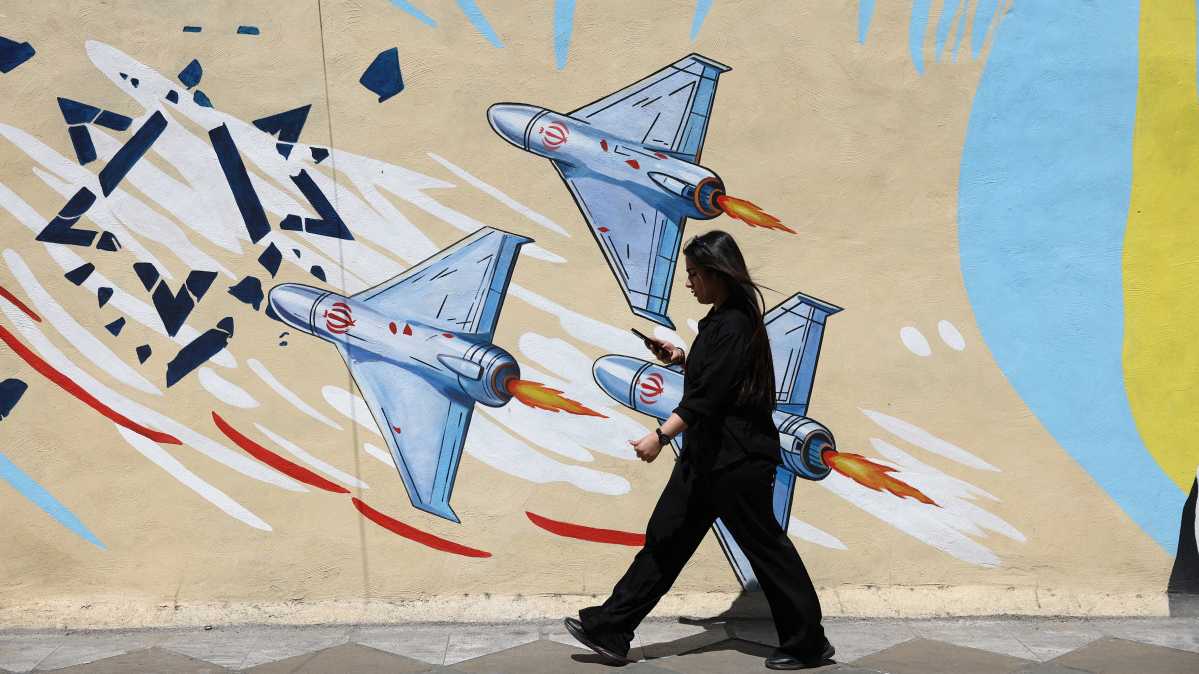
Iran and the U.S. appear no closer to ending the war after the commander of Khatam al-Anbiya Central Headquarters, Major General Ali Abdollahi, promised an “immediate, intense, and powerful” counterattack if Israel and the U.S. invade the Islamic Republic again.
“In the event of any strategic error or aggression, Iran’s Armed Forces will deal with it immediately, intensely, and powerfully,” the Iranian general said in a statement.
He issued the warning following a meeting on Sunday with the Commander-in-Chief of the Armed Forces, Ayatollah Seyed Mojtaba Khamenei, who assumed the supreme leadership after his father, Ayatollah Seyed Ali Khamenei, was killed in the Israel–U.S. attack on 28 February.
According to the state-owned IRNA news agency, General Abdollahi presented a report on the readiness of Iran’s Armed Forces, including the Army, the Revolutionary Guards, the Ministry of Defence, and the Basij volunteer force.
“Every one of the warriors of Islam is highly prepared in terms of combat morale, defensive and offensive readiness, strategic plans, and the equipment and weapons needed to confront the hostile actions of the American-Zionist enemies,” he said.
Peace efforts remain stalled
Efforts to halt the Iran–U.S. war appeared stalled despite Tehran submitting its official response to Washington’s proposal for an interim peace deal on Sunday, which Iranian state broadcaster IRIB described as containing “excessive demands” from the U.S.
“According to Iran’s draft plan, negotiations will focus on ending the war in the region - at this stage,” the official IRNA news agency reported.
Semi-official outlets, including Tasnim News Agency, which is affiliated with the Revolutionary Guards, also reported that Iran’s proposal for talks with the U.S. demands an end to the war, the removal of sanctions, and the lifting of the naval blockade, while excluding the nuclear dispute from the agenda.
On the eve of Iran’s response, Iranian President Masoud Pezeshkian said Tehran would not surrender to its enemies during negotiations and would take part in talks only to secure its national interests.
“If there is dialogue or negotiations, it does not mean surrender or retreat. The goal is to realise the rights of the Iranian nation and defend national interests with authority,” the President’s Office quoted him as saying.
Trump rejects Iranian proposal
Meanwhile, U.S. President Donald Trump rejected Iran’s response, which was delivered through Pakistani mediators, indicating that Tehran’s proposed terms were insufficient for an agreement.
In a sign of possible escalation, Army spokesperson Brigadier General Mohammad Akraminia warned that Iran has “surprising options” for its enemies, including what he described as “new arenas of war.”
“If the enemy makes another miscalculation and attacks our country, it will definitely face other surprising options,” he said in an interview with IRNA.
“In addition to the determination and will of our comrades in the Armed Forces, these options will include more advanced and new equipment, new methods of warfare, and, most importantly, new arenas of war.”
Regional diplomacy intensifies
On the diplomatic front, Foreign Minister Abbas Araghchi held phone calls over the weekend with his counterparts from Qatar, Egypt, the Netherlands, the UK, and Türkiye. He also spoke twice with Turkish Foreign Minister Hakan Fidan.
The Foreign Ministry said the discussions focused on “the latest regional developments and the current diplomatic process between Iran and the U.S. mediated by Pakistan.”
Araghchi and the UK Foreign Secretary, Yvette Cooper, spoke after London decided to dispatch HMS Dragon to the Middle East.
In Tehran, Deputy Foreign Minister for Legal Affairs Kazem Gharibabadi warned against the UK and France’s decision to deploy warships to the Strait of Hormuz.
“They are strongly advised not to further complicate the situation,” the senior Iranian diplomat wrote in a post on the social media platform X.












What is your opinion on this topic?
Leave the first comment