Tensions between the U.S. and Iran remain far from a genuine ceasefire, as military posturing, sanctions and uncertainty over diplomacy continue to fuel fears of a broader regional confrontation.
Political analyst Gregory Mathieu told AnewZ that the current situation could not be described as a ceasefire, as both sides continue to exchange threats while maintaining military readiness.
He warned that increased deployments and sanctions were intensifying tensions rather than easing them, and suggested the crisis could enter a “second phase” of confrontation.
Mathieu also highlighted what he described as a growing contradiction between diplomacy and pressure, arguing that continued hostile actions were undermining negotiations.
Uncertainty over U.S.-Iran negotiations
Matheiu questioned the clarity and coherence of current diplomatic efforts, saying it remained unclear what constituted a “good deal” or even what was actually being negotiated.
He criticised the lack of transparency surrounding the process, adding that it was unclear who was leading the talks or how decisions were being made.
“Nobody really knows what is on the table… we have no idea of what they are talking about and who is talking.”
Strait of Hormuz and global economic risks
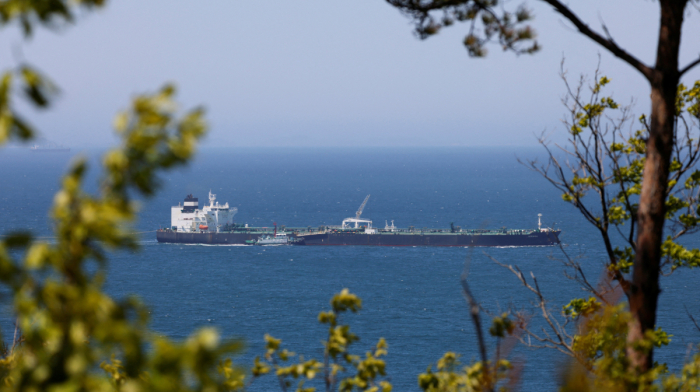
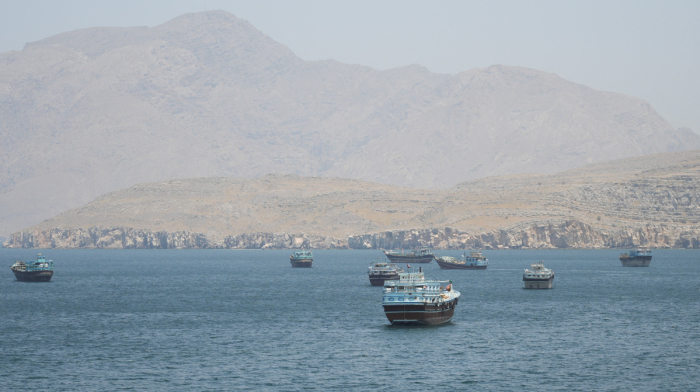
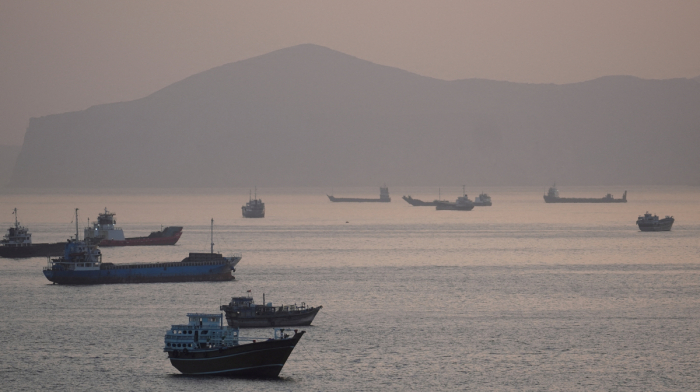
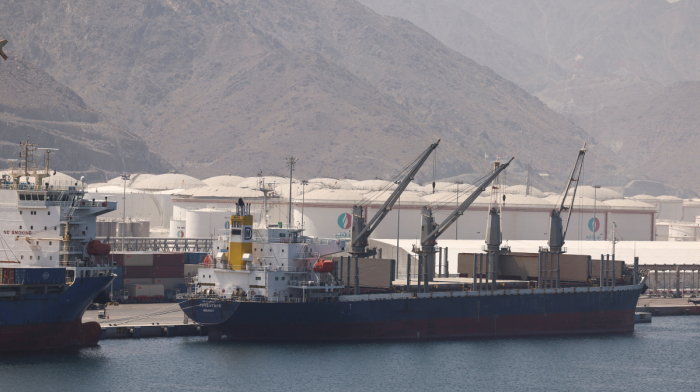
He said instability in the Strait of Hormuz posed a serious risk to the global economy, particularly for Europe, China and Japan, which rely heavily on energy flows through the region.
He noted that disruptions extended beyond oil supplies, affecting commercial trade and agricultural products, including fertilisers.
Gulf security concerns and regional spillover
Commenting on Gulf Arab states, Mathieu said countries such as Bahrain and the UAE were becoming increasingly concerned about regional insecurity and the risk of escalation.
He also suggested that some Gulf countries could eventually consider independent responses if tensions worsened further, rather than relying solely on external security guarantees.
Mathieu noted that multiple international actors, including European forces such as France, were now involved in regional security operations.
Israel-Lebanon talks and Hezbollah role
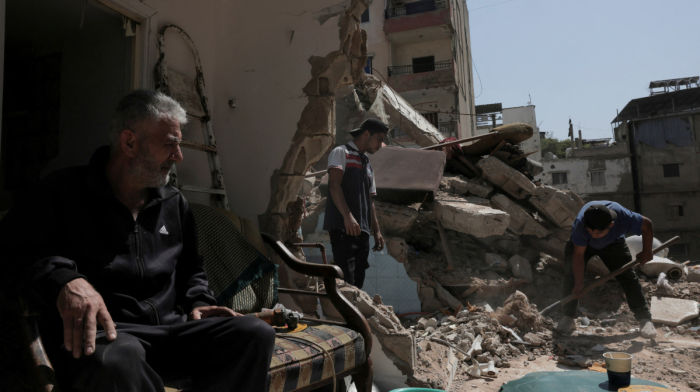
Mathieu welcomed renewed diplomatic engagement between Israel and Lebanon, particularly the involvement of military and intelligence representatives, describing it as a positive step.
He argued that Hezbollah’s influence “is hijacking completely the country,” complicating Lebanon’s internal stability.
The analyst also suggested that future global diplomacy, including potential U.S.-China engagement, could influence the trajectory of the crisis, while expressing hope for a more multilateral approach to de-escalation.









What is your opinion on this topic?
Leave the first comment