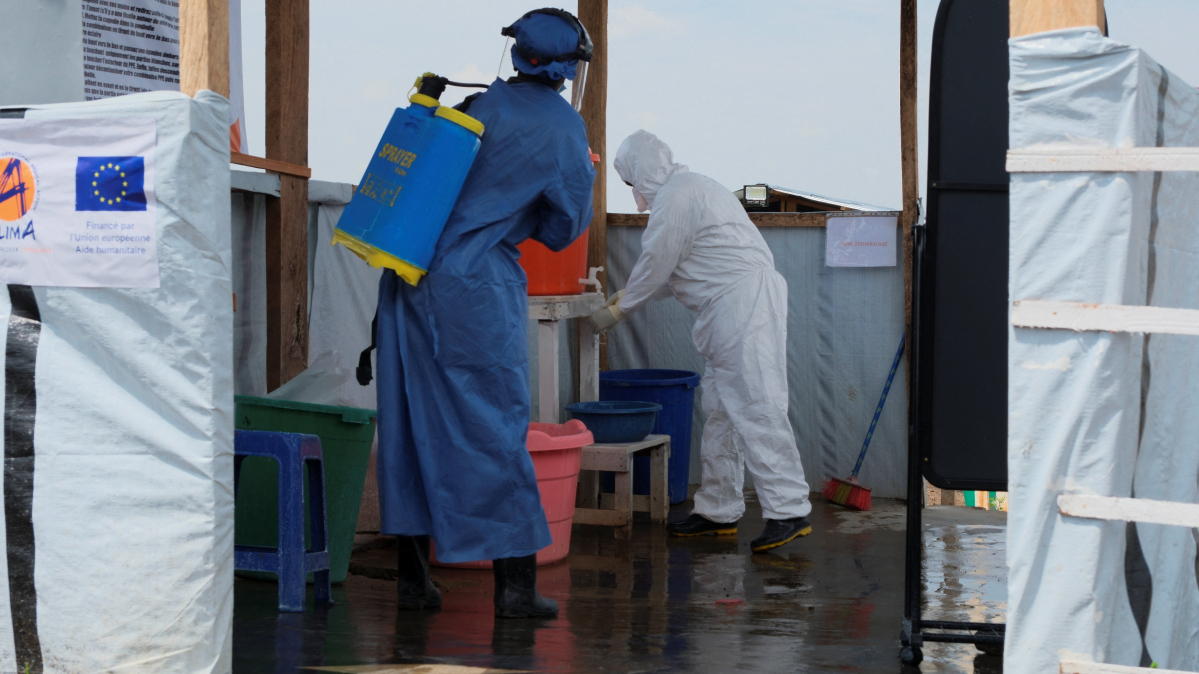
The European Commission has announced €493 million in emergency support for the Ebola response, including funding for vaccines, treatment and health security measures.
The aid package will support humanitarian efforts in the Great Lakes region and Uganda, following calls at the G7 summit for a stronger international response to the Bundibugyo strain outbreak in the Democratic Republic of Congo and neighbouring countries.
In a joint statement issued on Tuesday, the group said it was closely monitoring the evolving situation and stressed the importance of preventing the outbreak from crossing borders.
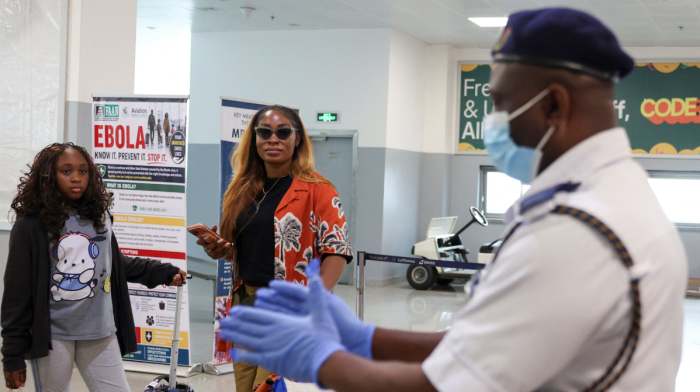
"We continue to closely monitor the situation as it evolves, along with our partners, to ensure that this dangerous virus does not spread, including across borders," the leaders said.
Funding push and U.S. support
The United States has already committed more than $700 million to the response effort, according to a U.S. health official, who also called on other countries to increase their contributions.
The funding is expected to support emergency response measures, surveillance systems and medical interventions aimed at controlling transmission in affected regions.
Vaccine development underway
Efforts to develop vaccines are also gathering pace. Richard Hatchett, head of the Coalition for Epidemic Preparedness Innovations, said candidate vaccines developed by the University of Oxford and Moderna could enter early-phase clinical trials as soon as July.
If the initial trials prove successful, field testing could begin within months, offering hope of a longer-term solution to contain the outbreak.
Fears of worst-case scenario
Health officials in Africa have warned that the situation could deteriorate rapidly if stronger measures are not implemented.
Jean Kaseya, Director General of the Africa Centres for Disease Control and Prevention, said the outbreak has the potential to become one of the worst on record.
"If we don't stop the outbreak very soon, it will be worse than what we had in West Africa and eastern DRC," Jean Kaseya told a virtual meeting of African leaders.
He was referring to the Ebola epidemic in West Africa between 2014 and 2016, which killed more than 11,000 people, as well as a later outbreak in eastern Congo.
Gaps in contact tracing
A key concern remains the ability to trace and monitor those who may have been exposed to the virus. Officials say tens of thousands of contacts have yet to be identified or followed up.
Current data shows that only around 12% of expected contacts are under active monitoring, raising fears that undetected chains of transmission could fuel further spread.
Race to contain the outbreak
The outbreak, driven by the Bundibugyo strain of the Ebola virus, is centred in eastern Congo, where ongoing insecurity and limited access to healthcare have complicated response efforts.
With international support now being mobilised and vaccine development advancing, health authorities stress that rapid and coordinated action will be critical to preventing a wider crisis.
Experts warn that cross-border movement across Central and East Africa could increase the risk of international spread, making regional co-operation and early intervention essential to containing the outbreak.











What is your opinion on this topic?
Leave the first comment