The World Health Organization (WHO) has warned that significant “blind spots” remain in the ongoing Ebola outbreak in the Democratic Republic of Congo (DRC), raising concerns that the true scale of infections may not yet be fully understood.
“There are still many blind spots in some areas that are high risk,” WHO epidemiologist Olivier le Polain said on Friday (12 June) in Beni, eastern Congo.
“Surveillance really needs to be strengthened in those areas,” he noted.
Health officials say strengthening surveillance systems and improving access to high-risk zones remain critical to preventing undetected transmission chains and limiting further spread of the virus.
Alarming data
The Ebola outbreak in the Democratic Republic of Congo continues to expand, with confirmed cases now exceeding 676, including 136 deaths, according to the latest figures released by health authorities.
The data includes 41 new infections and nine additional fatalities reported in the previous 24 hours.
The outbreak remains concentrated in the eastern provinces of Ituri, North Kivu and South Kivu, and is driven by the Bundibugyo strain of the virus. Officials say the disease has now reached 29 health zones, with new areas in both North Kivu and Ituri reporting fresh cases.
Concerns over rapid transmission
Health authorities have warned that the number of cases is rising week by week, raising concerns that the virus could spread quickly to new locations if stronger control measures are not put in place.
More than 5,700 people identified as possible contacts are currently being monitored. However, officials say contact tracing efforts remain below target levels, making it more difficult to contain the outbreak and break chains of transmission.
Complex humanitarian setting
The outbreak was declared on 15 May, and is the country’s seventeenth since Ebola was first identified there in 1976. Authorities are particularly concerned about its spread in a region affected by large-scale displacement and frequent cross-border movement, factors that could complicate containment efforts and increase the risk of wider transmission.
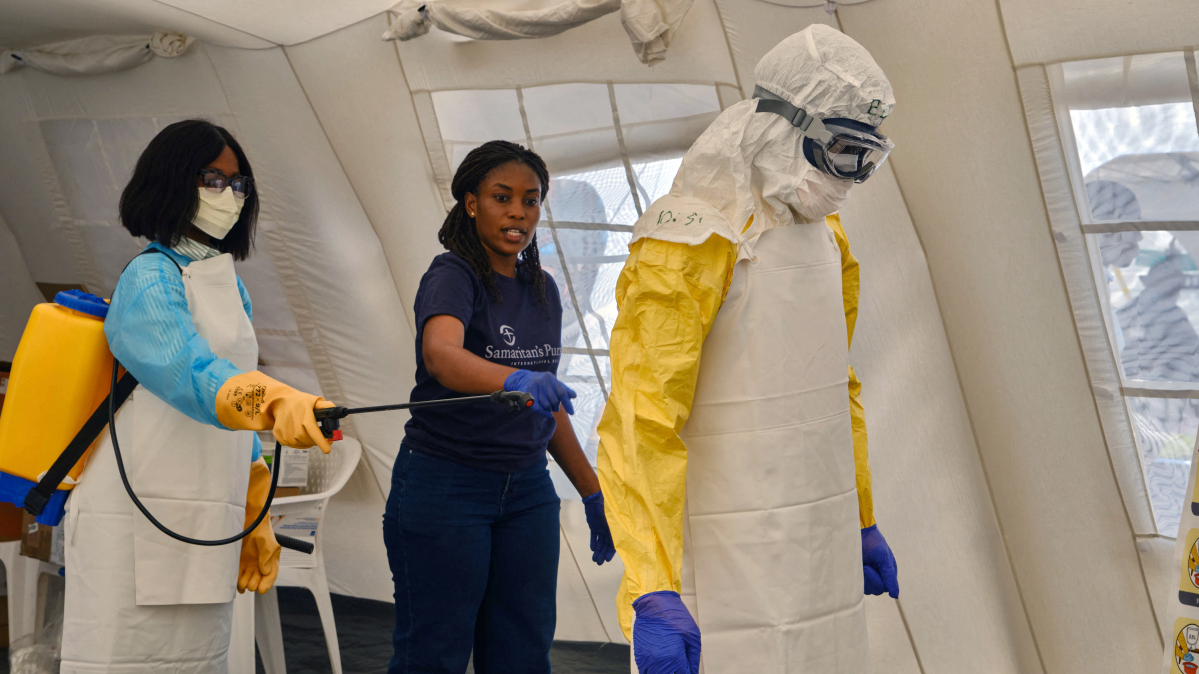
Health officials say vaccination campaigns and community awareness programmes are being expanded, but warn that insecurity and limited healthcare access in some affected areas continue to hinder efforts to fully contain the outbreak.















What is your opinion on this topic?
Leave the first comment