Emergency services across southeastern Australia have been placed on high alert as a blistering air mass pushes temperatures to dangerous extremes, reviving painful memories of the nation's catastrophic fire seasons of the past decade.
Millions of residents in the country’s south are grappling with oppressive conditions today, with mercury levels surging past 40 degrees Celsius (104 degrees Fahrenheit). The severe weather system has triggered urgent health warnings, strained electricity infrastructure, and created volatile conditions for bushfires according to officials.
The Bureau of Meteorology said that the current conditions are the most severe in six years. This timeline draws a parallel to the "Black Summer" of 2019-2020, which saw 24 million hectares of land destroyed - one fifth of the country's forests, razed thousands of homes, and claimed 33 lives directly, with smoke inhalation affecting millions more.
Authorities have issued severe or extreme heat warnings covering a vast geographic area, including New South Wales, Victoria, South Australia, and the island state of Tasmania.
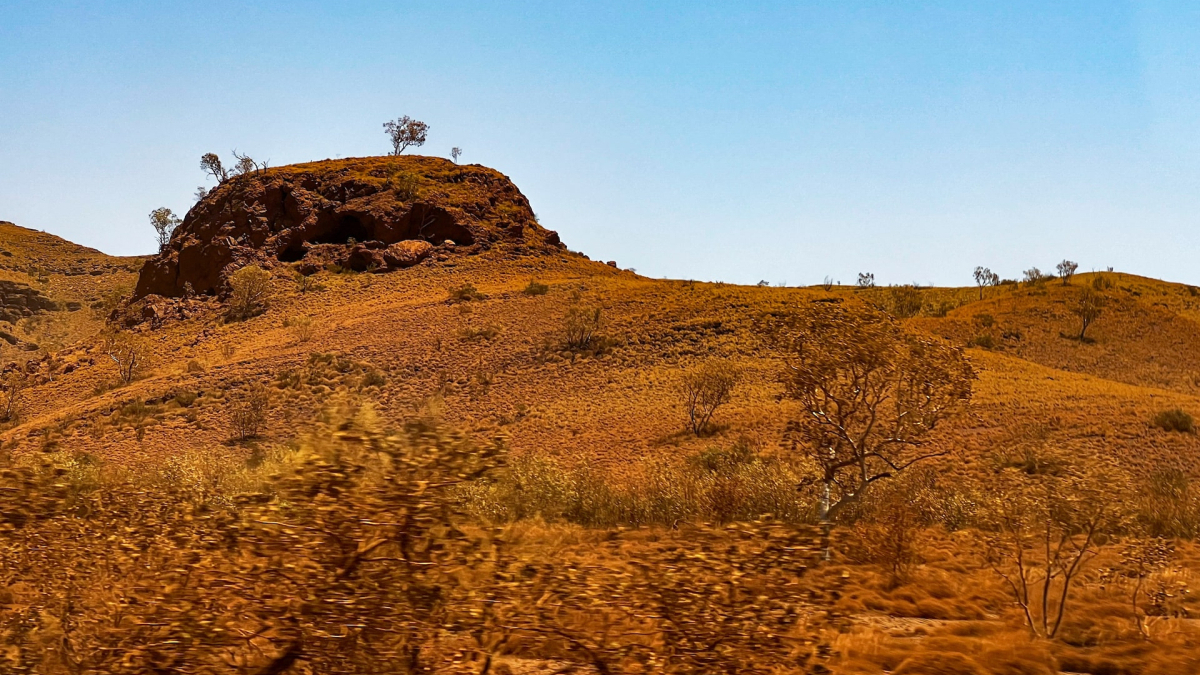
"These elevated fire dangers are being driven by a very hot air mass that extends all the way from Western Australia with maximum temperatures in excess of 45 degrees," said Senior Meteorologist Sarah Scully.
In Victoria, the heat has been particularly intense. The state capital, Melbourne, recorded temperatures of 41C, while regional areas peaked at 44C. Officials have urged the public to remain indoors, noting that heatwaves are historically Australia's deadliest natural hazard, often claiming more lives than floods, cyclones, or bushfires combined due to heat stress.
Tim Wiebusch, Victoria's Emergency Management Commissioner, confirmed that firefighters are already battling multiple blazes.
"We already have a statewide advice warning message out for severe to extreme intensity heatwave, and are now seeing those conditions kick in across the state," Wiebusch said, warning that Friday could bring a deterioration in conditions.
"We are particularly wanting Victorians to make sure they are alert to their conditions, make sure you are staying in cool places," he added.
Elsewhere, Adelaide faced a scorching 43C, while Sydney and Perth recorded 31C and 32C respectively.
Infrastructure under strain
The intense heat is taking a toll on daily life and infrastructure. In Adelaide, more than 2,000 homes were left without power as the grid struggled to cope with the demand from air conditioning units.
Public facilities have adapted to the crisis, with libraries extending operating hours to function as "cool refuges" for vulnerable residents. Conversely, outdoor attractions such as the Monarto Safari Park were forced to close to protect the safety of staff, visitors, and animals.
Despite the severity, some locals remain stoic in the face of the Australian summer.
"I think psychologically you have to keep calm in the heat and not panic. It’s only two or three days. And then it goes down again," Adelaide resident Valdine Tuckwell said.
Heatwaves are increasing
While Australia is accustomed to hot summers, climatologists warn that the frequency and intensity of these heatwaves are increasing due to global climate change. The recurrence of temperatures exceeding 40C in major population centres continues to pose significant challenges for urban planning, health services, and disaster management in the region.













What is your opinion on this topic?
Leave the first comment