Japan’s ruling party proposes $62,715 payments for third and subsequent children
Japan's ruling Liberal Democratic Party (LDP) proposed on Friday paying families 10 million yen ($62,715) for their third and each subsequent c...
A decision on the European Union’s proposed 2040 climate emissions target has been delayed, with ministers now set to discuss it at an October summit instead of next week, EU officials said.
The Danish EU Presidency had planned for environment ministers to vote on 18 September, but member states indicated they were not ready to take a position on the controversial 2040 target.
The European Commission had proposed cutting CO2 emissions by 90% by 2040 compared to 1990 levels, as an intermediary step toward EU climate neutrality by 2050. The 2040 target is intended to follow the EU’s 2030 goal of at least a 55% reduction in emissions.
EU officials were told that countries need more time to balance environmental ambitions with competitiveness and economic realities. One diplomat said the October summit aims to have a “decisive” discussion while avoiding a unanimity vote that could give disproportionate weight to the most hesitant member states.
The 2040 target will also influence national climate action plans under the Paris Agreement, which are expected to be presented at COP30 in Belém, Brazil in November (10 - 21 November).
Some countries have already voiced opposition. Slovakia and Hungary argue that a 90% emissions cut by 2040 could severely damage their industries. Slovakia’s Environment Minister Tomas Taraba criticised the proposal, calling it disconnected from economic realities. France has suggested that the decision should be taken by EU heads of state rather than ministers.
EU officials cautioned that while the October summit is expected to address the issue, no final decision is guaranteed.

U.S. President Donald Trump and NATO Secretary General Mark Rutte urged Russia to avoid widening the war in Ukraine and called for a swift peaceful resolution during talks in Florida on Wednesday (25 November). They also discussed NATO defence spending and the war in Iran.
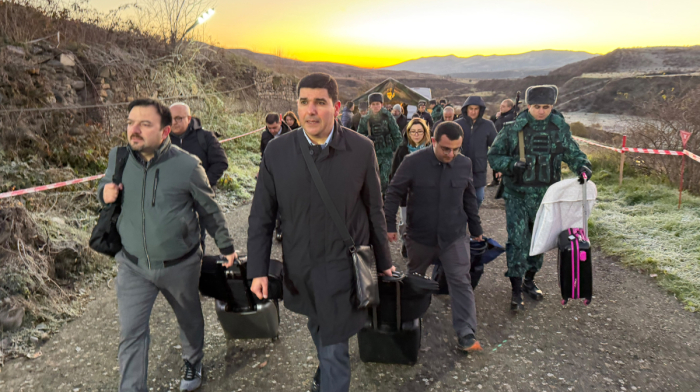
Civil society representatives from Armenia and Azerbaijan are meeting in Armenia on 26 and 27 November, in the latest round of talks aimed at building support for peace.
Iran's Islamic Revolutionary Guard Corps (IRGC) claimed on Friday that its air defence systems fired warning shots at a U.S. F-16 fighter jet near Hengam Island, forcing the aircraft to turn away amid continuing tensions over maritime navigation in the Strait of Hormuz.
Here's your AnewZ Daily Brief for the 26th of November, covering the latest culture news.
Spain votes on 29 November in a snap election that could give the far right a place in national government for the first time since General Francisco Franco's dictatorship ended in 1975.
An estimated 5,258 people died in England because of extreme heat this summer, the highest toll since records began in 2016, according to the UK Health Security Agency (UKHSA).
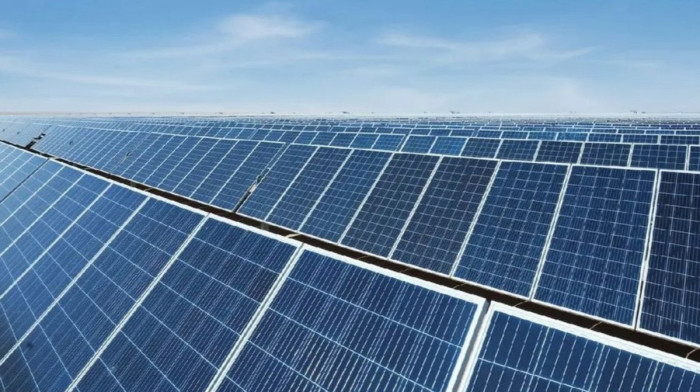
Uzbekistan has brought its $350 million solar power plant in the eastern Namangan region to full capacity of 500 megawatts (MW), boosting the country's renewable energy output as it seeks to reduce its dependence on natural gas.
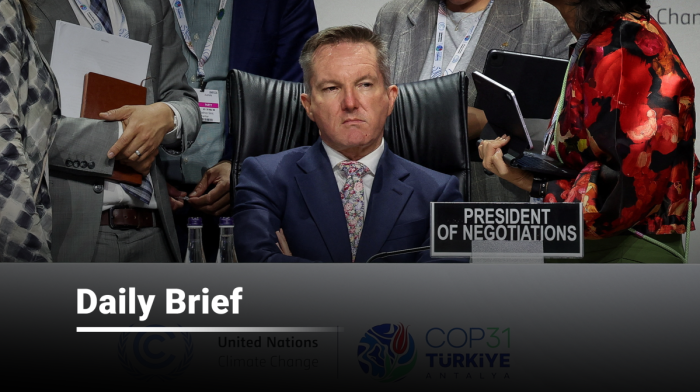
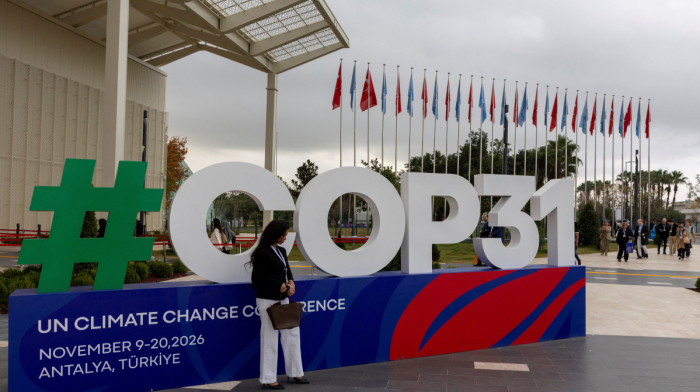
Here's your AnewZ Daily Brief for 23 November, examining why COP31 climate talks broke down, where progress was made and what the outcome means for global climate action.
World leaders and negotiators are racing to secure a deal at the COP31 climate summit in Türkiye, as criticism mounts over a revised draft agreement that removes commitments to phase out fossil fuels.
Denmark has unveiled its national roadmap for phasing out fossil fuels at the COP31 climate conference in Antalya. Spain, Portugal, Luxembourg and Pacific island nations said they would soon publish their own plans.
You can download the AnewZ application from Play Store and the App Store.
What is your opinion on this topic?
Leave the first comment