Portugal votes with Socialist poised for decisive victory
Portugal voted on Sunday in a presidential runoff between leftist Antonio Jose Seguro and far-right challenger Andre Ventura, with surveys indicating ...
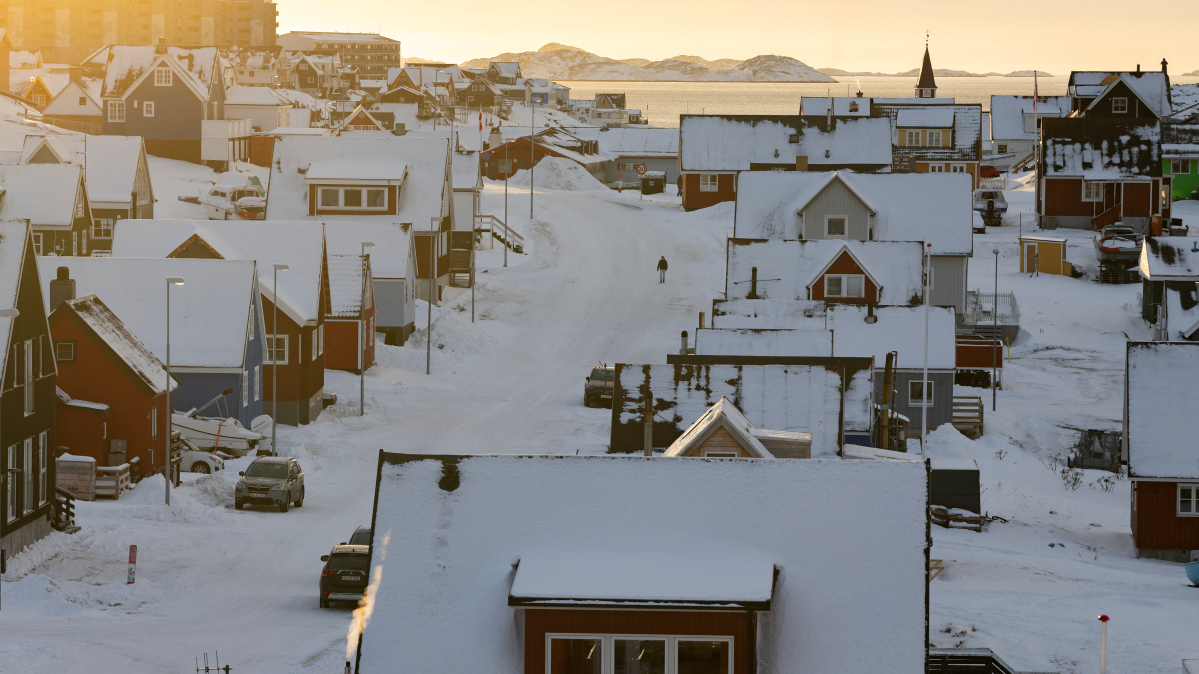
Global markets are rattled after U.S. President Donald Trump threatened new tariffs on eight European countries over Greenland, sending the euro to a seven-week low and raising concerns about renewed transatlantic trade tensions.
Trump announced that a 10% import tariff would hit goods from Denmark, Norway, Sweden, France, Germany, the Netherlands, Finland and Britain from 1 February, rising to 25% from 1 June unless the U.S. is allowed to buy Greenland.
Major European Union states condemned the threats as blackmail. France is pushing to activate the bloc’s Anti-Coercion Instrument, which could limit U.S. access to public tenders, investments, or trade in services.
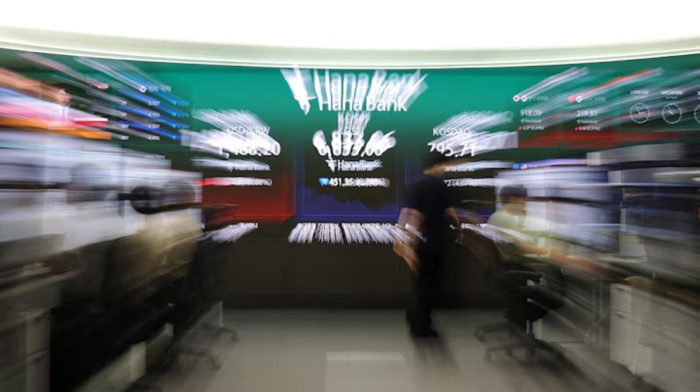
As Asian markets opened, the euro fell 0.2% to $1.1572, its lowest since November, while sterling dipped and the yen strengthened against the dollar.
"Hopes that the tariff situation has calmed down for this year have been dashed," said Berenberg chief economist Holger Schmieding.
Capital Economics estimates a 10% tariff could reduce UK and German GDP by 0.1%, while a 25% tariff might shave 0.2–0.3% off output. European stocks remain near record highs, with defence shares up nearly 15% this month amid rising geopolitical tensions.
Safe-haven gold stayed near record highs, while bitcoin remained stable at around $95,330. Analysts warned that escalation could pressure the dollar and global tech valuations if investors repatriate capital to Europe.
"This is more a weaponization of capital than trade flows, and it could be highly disruptive," said Deutsche Bank FX chief George Saravelos.
Trump’s move comes as the EU signs a free trade deal with Mercosur and as other global hot spots, including Iran and U.S. Fed tensions, add uncertainty to markets.

Storm Leonardo hit Spain and Portugal on Tuesday, forcing more than 11,000 people from their homes, as a man in Portugal died after his car was swept away by floodwaters and a second body was found in Malaga.
Iran would retaliate by striking U.S. military bases across the Middle East if it comes under attack by American forces, Foreign Minister Abbas Araghchi said on Saturday (7 January), stressing that such action should not be seen as targeting the countries hosting those bases.
At least 31 people have been killed and scores wounded in a suicide bombing at a mosque in Pakistan’s capital, Islamabad, during Friday prayers, prompting widespread international condemnation.
U.S. and Ukrainian negotiators have discussed an ambitious goal of reaching a peace agreement between Russia and Ukraine by March, though the timeline is widely viewed as unrealistic due to deep disagreements over territory, according to multiple sources familiar with the talks.
A Japanese city near Mount Fuji has cancelled its annual cherry blossom festival, saying growing numbers of badly behaved tourists are disrupting daily life for residents.
Türkiye’s national energy company, TPAO, has struck a new cooperation deal with U.S. energy giant Chevron, signing a memorandum of understanding to explore joint oil and gas exploration and production opportunities, the Turkish Energy and Natural Resources Ministry announced on Thursday.
Wall Street ended sharply lower on Tuesday as investors worried about artificial intelligence (AI) creating more competition for software makers, keeping them on edge ahead of quarterly reports from Alphabet and Amazon later this week.
U.S. stock markets finished mixed on Wednesday (28 January) as investors reacted calmly after the Federal Reserve left interest rates unchanged, a decision that had been widely expected and largely priced in.
The S&P 500 edged to a record closing high on Tuesday, marking its fifth consecutive day of gains, as strong advances in technology stocks offset a sharp selloff in healthcare shares and a mixed batch of corporate earnings.
Chevron is in talks with Iraq’s oil ministry over potential changes to the commercial framework governing the West Qurna 2 oilfield, one of the world’s largest producing assets, after Baghdad nationalised the field earlier this month following U.S. sanctions imposed on Russia’s Lukoil.
You can download the AnewZ application from Play Store and the App Store.
What is your opinion on this topic?
Leave the first comment