live Iran unveils map asserting control over Strait of Hormuz, state media says- Monday, 4 May
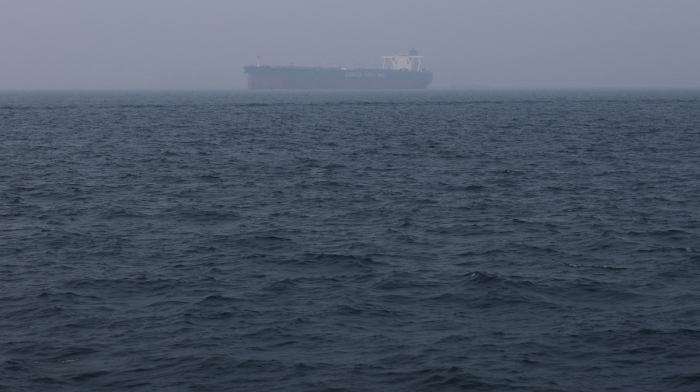
Iran warned U.S. forces on Monday not to enter the Strait of Hormuz after President Donald Trump said the United S...
Russia’s car market is continuing to receive tens of thousands of foreign-brand vehicles via China despite sanctions imposed after Moscow’s full-scale invasion of Ukraine in 2022, a journalistic investigation has found.
Traders are using a system of parallel imports, often involving China, to bring vehicles into Russia without direct approval from automakers.
Dealers are reclassifying new cars as “zero‑mileage used vehicles” in China, allowing them to be imported under existing regulations. In Russia, these vehicles are sold at prices comparable to brand‑new cars.
Dmitry Zazulin, sales director at Panavto-Zapad dealership, told Reuters that parallel imports are currently the main route for customers seeking Western brands such as Mercedes-Benz.
Data from Russian research firm Autostat show that nearly half of the roughly 130,000 foreign-brand vehicles registered in Russia in 2025 arrived through China, and that total sales of these vehicles since 2022 have exceeded 700,000.
Challenges to enforcement
Brands including Toyota, Mazda, Mercedes-Benz, BMW and Volkswagen have stated they do not export vehicles to Russia and are not involved in parallel imports.
Analysts note that the parallel import mechanism, introduced in Russia in 2022, allows goods from brands that have exited the market to be imported legally without the consent of trademark holders. While this system helps maintain supply, enforcement remains complex.
Some recent measures, including tighter border controls and import regulations, have reduced volumes of such imports, although significant numbers of foreign-brand vehicles continue to reach the Russian market.
Industry observers say the continued flow of vehicles illustrates the practical challenges of enforcing sanctions across international trade networks. China is the primary conduit for these imports, although other routes may also be used.
The scale of the trade underscores the ongoing demand in Russia for Western and Japanese automotive brands, despite restrictions and corporate exit from the market.

Ukraine is monitoring “unusual activity” along its border with Belarus, President Volodymyr Zelenskyy said in a video statement released on Saturday (2 May). He warned that Kyiv is ready to respond if necessary amid continued regional tensions linked to Russia’s war.
China has moved to block U.S. sanctions on five of its oil refineries, in a fresh escalation of tensions over trade and energy policy.
U.S. President Donald Trump has said he will “soon be reviewing” a new 14-point proposal sent by Iran, casting doubt on the chances of a deal after Tehran called for security guarantees, an end to naval blockades and a halt to the war across the region, including in Lebanon.
Malian authorities have launched an investigation into suspected soldiers accused of involvement in coordinated attacks on military bases carried out by militants linked to al Qaeda and separatist Tuareg rebels on 25 April 2026.
Ukraine has launched a new wave of drone strikes on Sunday (3 May) across Russia, hitting key infrastructure and causing casualties in several regions, officials on both sides said.
U.S. President Donald Trump has said he will raise tariffs on cars and trucks imported from the European Union to 25% next week, up from the 15% level agreed last year, accusing the bloc of failing to comply with its trade commitments.
The decision by the United Arab Emirates to leave OPEC+ on 1 May has put renewed focus on one of the most influential groups in global energy - and how its decisions can shape oil prices worldwide.
The United Arab Emirates has said it's quitting OPEC from 1 May, dealing a major blow to the oil producers’ group and its de facto leader, Saudi Arabia, amid disruption caused by the Iran war.
As the Iran war disrupts global flows of oil and gas and energy prices skyrocket, the Drin River, which descends through the mountains of northern Albania, is acting as a kind of shield.
China has ordered Meta to unwind its more than $2 billion acquisition of artificial intelligence start-up Manus, marking a major escalation in Beijing’s scrutiny of foreign investment in sensitive technology sectors. The order was issued on Monday by the National Development and Reform Commission.
You can download the AnewZ application from Play Store and the App Store.
What is your opinion on this topic?
Leave the first comment