live U.S. restricts staff use of Saudi airports after deadly Houthi attacks
The U.S. has banned government employees working in Saudi Arabia from using airports in the country without special authorisation. It com...
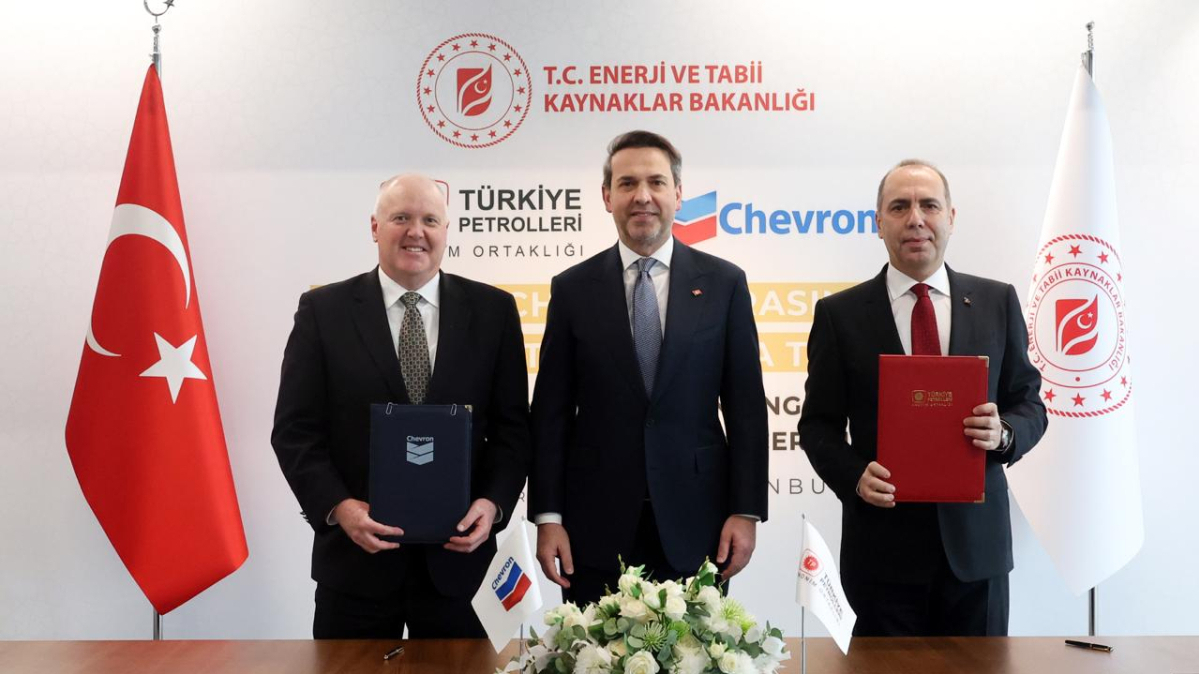
Türkiye’s national energy company, TPAO, has struck a new cooperation deal with U.S. energy giant Chevron, signing a memorandum of understanding to explore joint oil and gas exploration and production opportunities, the Turkish Energy and Natural Resources Ministry announced on Thursday.
Writing on Türkiye’s NSosyal social media platform, Energy Minister Alparslan Bayraktar said the landmark agreement was aimed at developing joint energy projects “both in Türkiye and on an international scale”.
Bayraktar added that the freshly signed deal would allow the two companies to collaborate closely in both onshore and offshore exploration and oil and gas production activities.
According to the minister, planned projects overseas will serve to complement Türkiye’s current operations in both the Black Sea and in the country’s southeast, furthering TPAO’s longstanding goal of achieving a total production capacity of 1 million barrels of oil per day.
Boosting efficiency
Bayraktar also noted that Ankara hopes to sign additional cooperation agreements with other international energy partners.
Last month, TPAO signed a similar memorandum of understanding with a unit of Exxonmobil covering new exploration areas in both the Black Sea and Mediterranean region, along with other potentially lucrative areas.
At the time, Bayraktar said that the deal, signed with Exxonmobil’s ESSO Exploration International Limited, was aimed at boosting operational efficiency and paving the way for fresh oil and gas finds.
Speaking on Thursday, the energy minister said Türkiye would, “soon sign new agreements for different international partnerships and share the concrete projects we have implemented with our nation.”
The new deal with Chevron is the latest example of stepped-up cooperation between Turkish and U.S. energy firms, as Ankara seeks to reduce its reliance on energy imports and bolster ties with the United States, a fellow member of the NATO alliance.
The Saudi-led coalition said early Thursday that it intercepted and destroyed a drone over Saudi Arabia’s Eastern Province.
Yemen’s Houthis have claimed responsibility for the recent drone and missile strikes on Saudi Aramco facilities in Dhahran and Riyadh and at King Khalid International Airport in Saudi Arabia, vowing to carry out more attacks in the coming days.
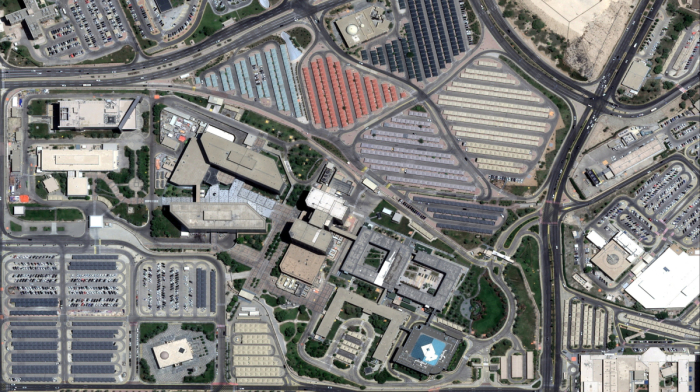
The U.S. has banned government employees working in Saudi Arabia from using airports in the country without special authorisation. It comes after a deadly Houthi strike on Riyadh's King Khalid International Airport killed at least 13 people last week.
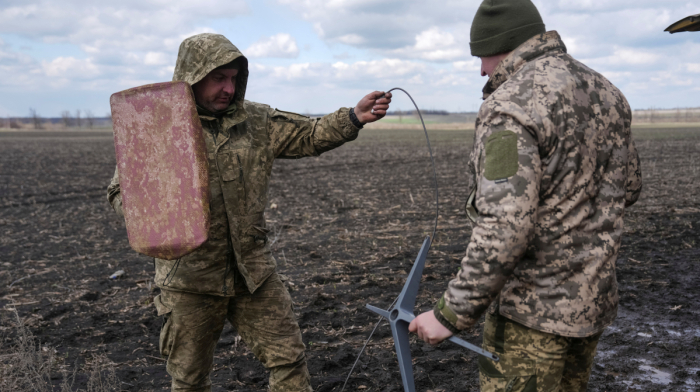
Ukraine's soldiers have had their access to Starlink satellite internet restricted. Kyiv's troops use the terminals, made by Elon Musk's SpaceX, to pilot drones. A source in Ukraine's Defence Ministry said the restrictions would make it harder for Kyiv's army to down Russian drones.
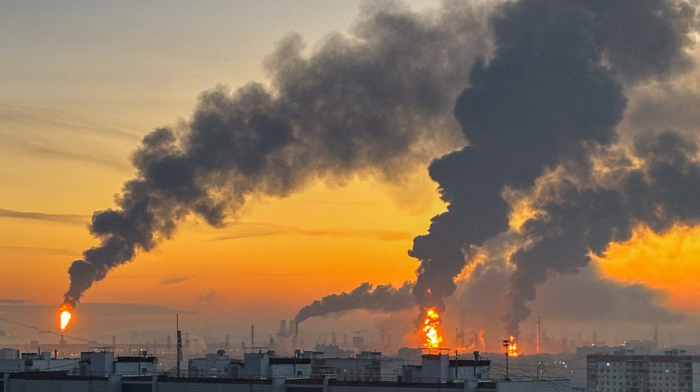
Ukraine is set to restart attacks on Russian oil refineries following a two-day pause, President Volodymyr Zelenskyy said, amid growing tensions with Washington over energy strikes and U.S. military support.
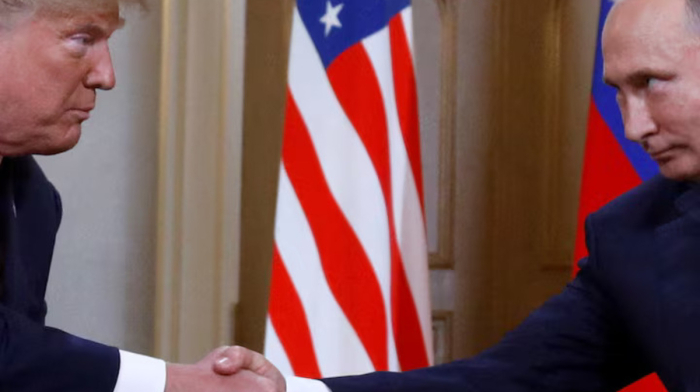
U.S. President Donald Trump has lifted sanctions on Russian diesel exports and announced a Russia-Ukraine energy ceasefire aimed at easing fuel prices ahead of November’s midterm elections. But can Moscow deliver and will the move will bring meaningful relief to markets?
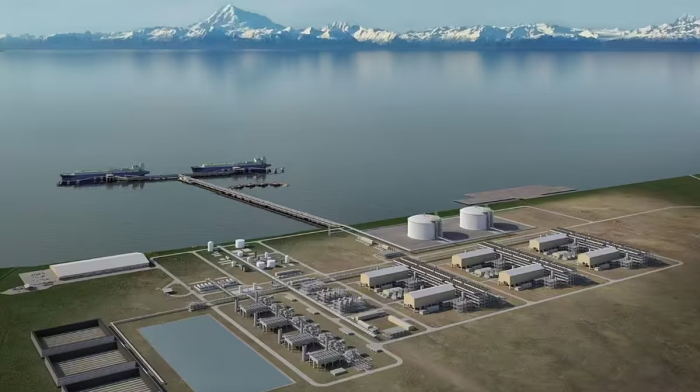
Taiwan plans to buy 30 per cent of Alaska LNG's annual output and invest up to $4.4 billion in the project, but binding contracts and financing remain unresolved as the U.S. pushes to expand energy exports to Asia.
Asian stocks plunged to their lowest level in more than two months on Tuesday as advances by Chinese chipmakers rattled investor confidence in the artificial intelligence boom, despite soaring global semiconductor sales.
Artificial intelligence investment is helping sustain global growth at around 3 per cent, with Asia poised to reap major benefits. But soaring energy costs, unequal investment and growing pressure on young workers threaten to leave some economies behind.
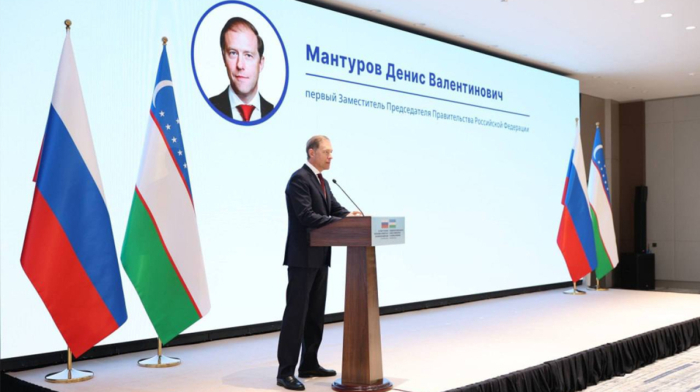
Uzbekistan and Russia have a portfolio of more than 200 joint projects worth almost $6 billion, as the two countries continue to expand regional and business ties. The projects were discussed during the third meeting of the Council of Regions of Russia and Uzbekistan, held in Fergana, Uzbekistan.
You can download the AnewZ application from Play Store and the App Store.
What is your opinion on this topic?
Leave the first comment