U.S. threatens tariffs on any nation supplying Cuba with oil
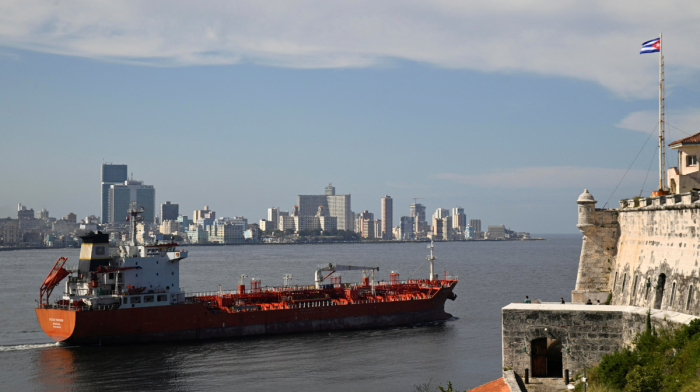
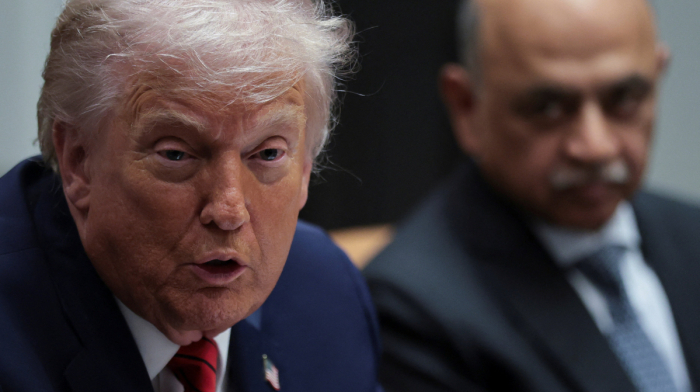
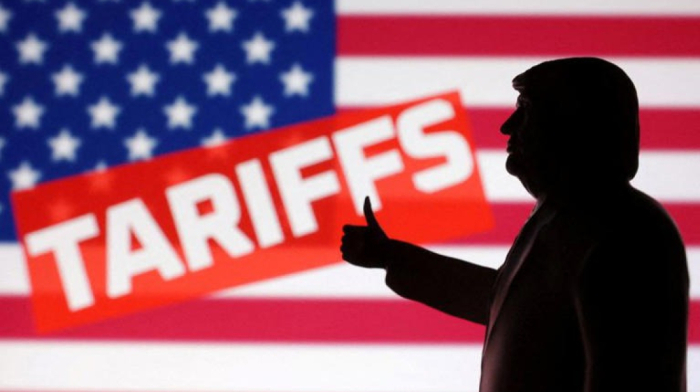
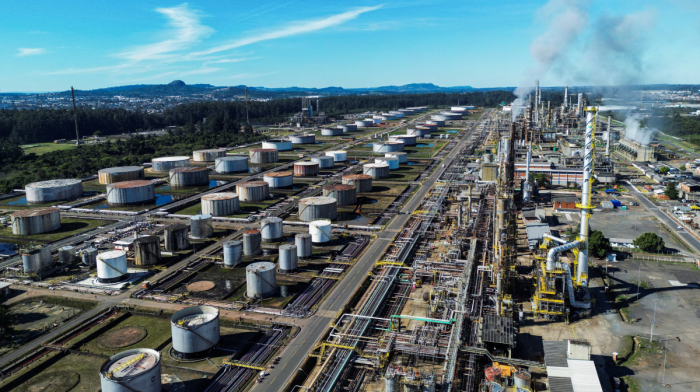
U.S. President Donald Trump has warned of tariffs on countries supplying oil to Cuba on Thursday (29 January), as Washington ramps up pressure on the Caribbean nation.
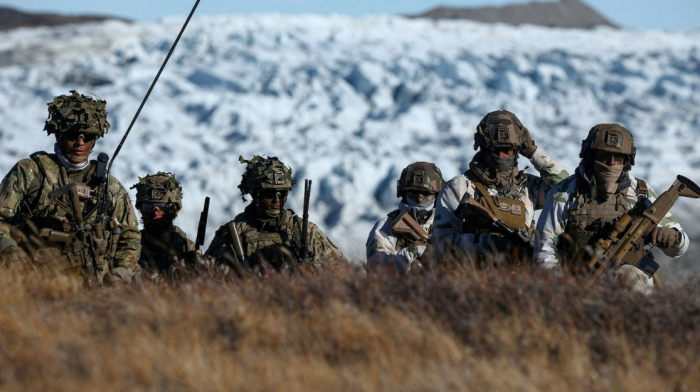
In a move reinforcing the "Fortress America" doctrine that has rattled global markets, the United States plans to reduce personnel within critical NATO command centres.
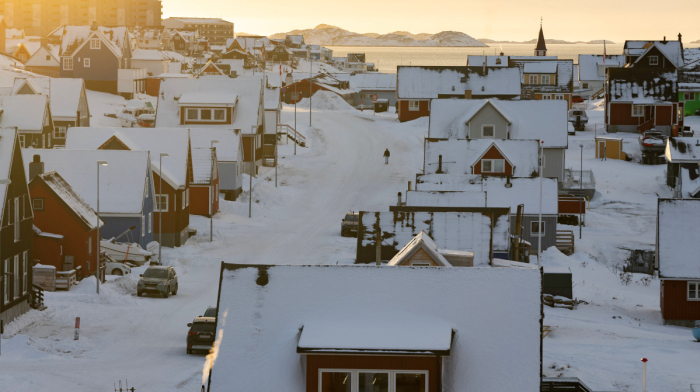
Global markets are rattled after U.S. President Donald Trump threatened new tariffs on eight European countries over Greenland, sending the euro to a seven-week low and raising concerns about renewed transatlantic trade tensions.
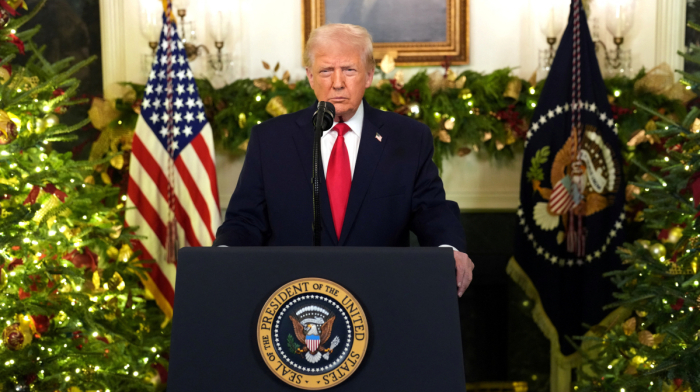
U.S. President Donald Trump delivered a wide-ranging address from the White House in which he sought to highlight what he described as his administration’s achievements while laying the groundwork for his plans for the year ahead and beyond, on Wednesday (18 December).
The United States has announced plans to impose a phased-in tariff on select Nicaraguan goods beginning 1 January, according to a statement from the U.S. Trade Representative (USTR) on Wednesday (10 December).
The United States will reduce import duties on South Korean automobiles to 15%, effective retroactively from 1 November, according to an announcement by U.S. Commerce Secretary Howard Lutnick on Tuesday.
A rare earths agreement between the United States and China will “hopefully” be finalised by Thanksgiving, Treasury Secretary Scott Bessent said in an interview broadcast on Sunday.
The White House said the higher tariffs, ranging from 10% to 41%, will take effect in seven days for 69 countries. Mexico received a 90‑day extension after securing a temporary deal to maintain its existing 25% rate.
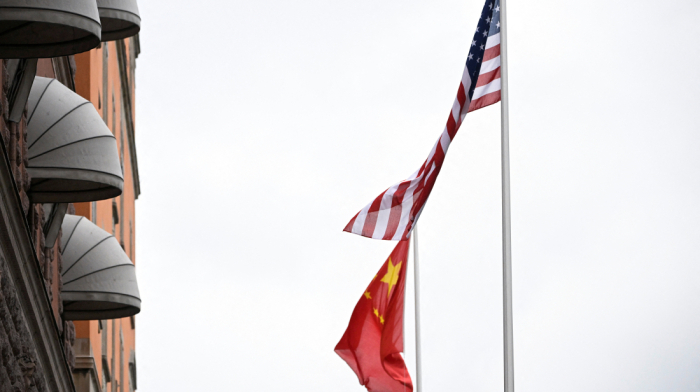
China and the US have agreed to extend the pause on 24% reciprocal tariffs after two days of trade talks in Sweden, Chinese trade official Li Chenggang announced Tuesday.
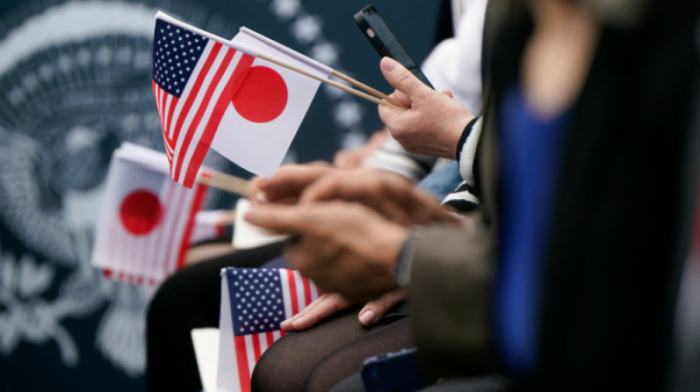
The United States and Japan reached a major trade deal to cut auto tariffs to 15% and unlock $550 billion in Japanese investment, averting new levies ahead of the 1 August deadline set by President Donald Trump
Ethiopia is altering its coffee export strategy after a 10% U.S. tariff disrupted a key revenue source for the country’s economy.
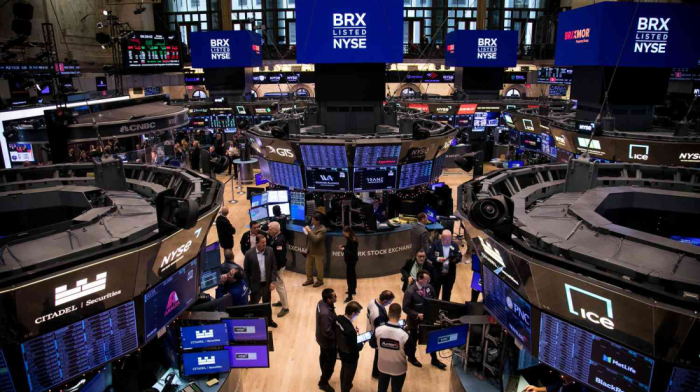
On Monday, Wall Street stocks closed with modest gains as investors largely shrugged off U.S. President Donald Trump’s latest tariff threats, focusing instead on an eventful week ahead with key economic reports and the start of earnings season.
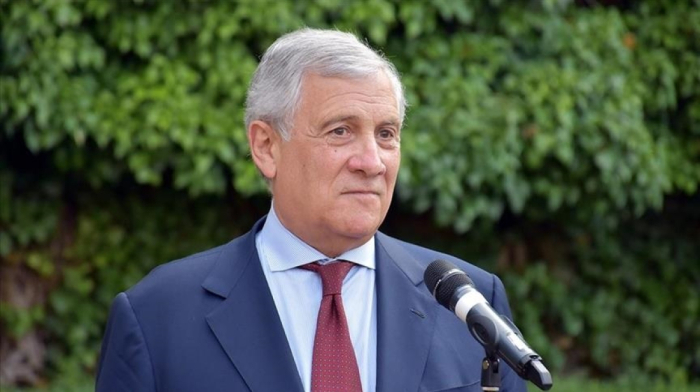
Italy’s foreign minister said the EU is ready to hit back with €21 billion ($24.5 billion) in tariffs unless a deal is struck with the U.S., warning that President Donald Trump’s 1 August tariff move could harm both economies and derail ongoing trade talks.
China’s exports are expected to have grown 5% in June as manufacturers hurried goods abroad ahead of a 12 August deadline that could see the U.S. restore punitive tariffs, a Reuters survey of economists indicates.
U.S. President Donald Trump has threatened a 10% tariff on all BRICS member countries, claiming the bloc was "set up to hurt" the United States by undermining the dollar.
U.S. President Donald Trump on Monday announced that the United States will impose a 25% tariff on goods imported from Kazakhstan, starting on 1st August. The letter addressed to Kazakhstan's President Kassym-Jomart Tokayev was published on the Truth Social platform.
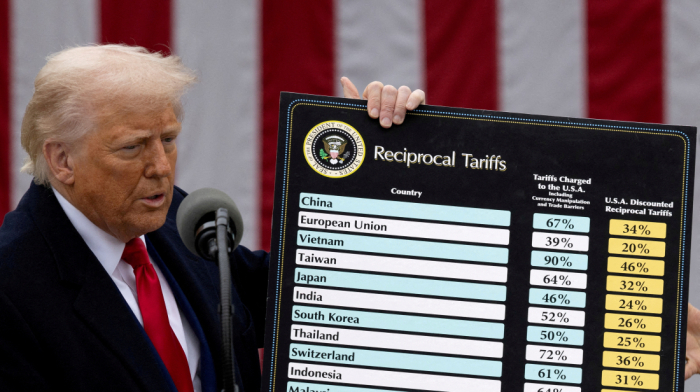
U.S. President Donald Trump has signed an executive order pushing back the implementation date for his proposed “reciprocal” tariffs to 1 August, according to The White House.
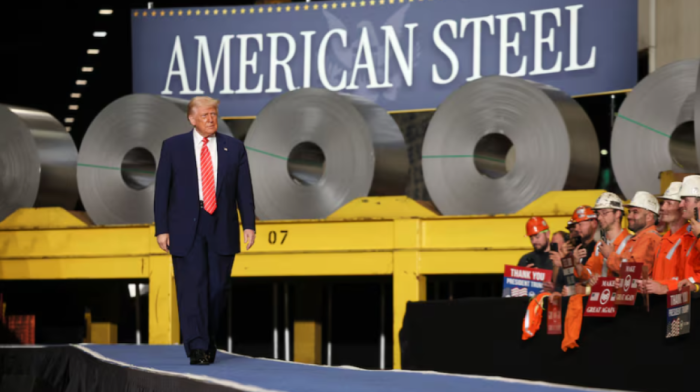
With looming US tariff hikes on steel, the UK is pushing for a swift implementation of a trade deal meant to protect £400mn in exports and safeguard industry jobs.
Japan and the U.S. are facing tough trade talks as Tokyo resists quick concessions under tariff pressure from President Trump, preferring a balanced deal over a rushed agreement ahead of elections and amid broader tensions with China.
Hungarian Prime Minister Viktor Orban faces political challenges as U.S. tariffs threaten Hungary's economy. With opposition parties gaining momentum ahead of the 2024 elections, critics argue for a Europe-focused approach, criticizing Orban’s ties with Trump and his economic handling.
The IMF has lowered global and U.S. economic growth forecasts, citing Trump-era tariffs and rising uncertainty. Global growth is expected at 2.8% this year, while U.S. growth may slow to 1.8%, with heightened recession and inflation risks.
As trade tensions with the United States reach new heights, China has issued a firm rebuke to the Trump administration’s proposed tariffs of up to 245% on Chinese imports, dismissing the measures as a “tariff numbers game” and vowing not to yield to external pressure.
You can download the AnewZ application from Play Store and the App Store.