Iran summons German ambassador over Merz’s remarks
Iran’s Foreign Ministry on Thursday summoned Germany’s ambassador to Tehran, Axel Dittmann, to protest what it called “interventionist and offen...
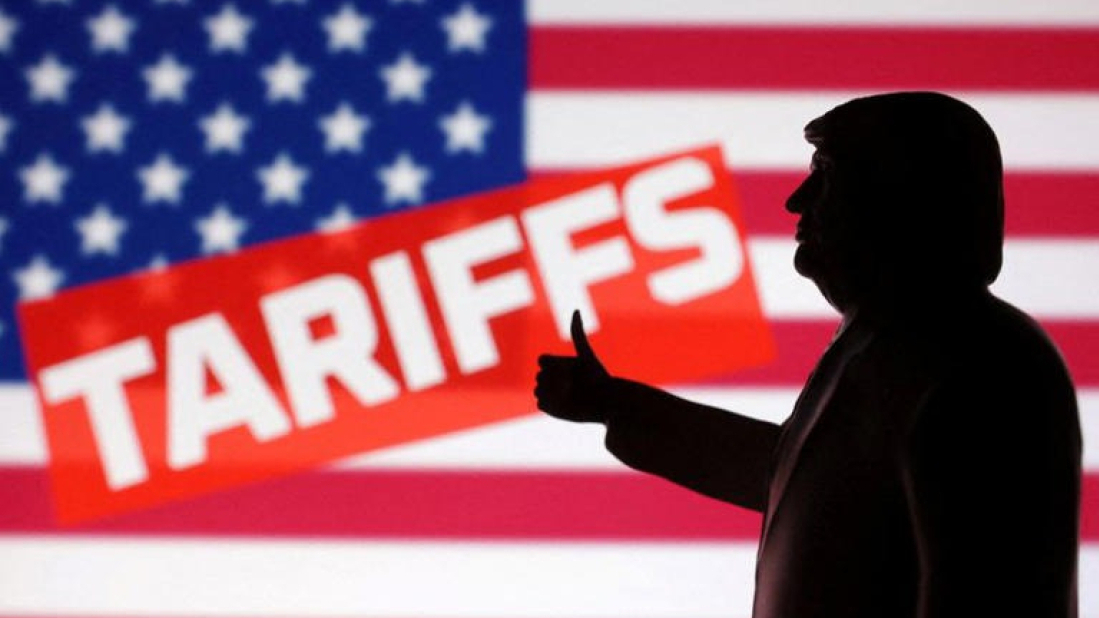
The White House said the higher tariffs, ranging from 10% to 41%, will take effect in seven days for 69 countries. Mexico received a 90‑day extension after securing a temporary deal to maintain its existing 25% rate.
Canada, Washington’s second‑largest trading partner, saw its tariff rise to 35% from 25% on goods not covered by the U.S.-Mexico-Canada Agreement. Prime Minister Mark Carney said he was “disappointed” by the move but pledged to continue negotiations.
Trump linked the decision partly to Canada’s “continued inaction and retaliation” on fentanyl trafficking. The escalation followed Canada’s announcement of support for Palestinian statehood, which Trump said would make reaching a trade deal “very hard.”
India, the world’s third‑largest oil importer and a key buyer of Russian crude, was assigned a 25% rate. A senior U.S. official cited India’s “closed market” and geopolitical tensions, including its ties to the BRICS bloc.
Taiwan, which has been in talks with Washington since April, received a reduced 20% tariff. President Lai Ching‑te said negotiations were not yet finalised and described the tariff as “temporary.”
Markets across Asia reacted sharply, with South Korea’s KOSPI falling more than 3% and its currency dropping to a two‑month low. Malaysia, Cambodia and Thailand secured 19% rates, which officials described as safeguarding key export sectors.
The tariff package also ends the longstanding “de minimis” exemption for parcels worth less than $800, a move expected to impact online retailers such as Shein and Temu. The exemption will end on 29 August.
Legal challenges are continuing, with U.S. appeals court judges questioning whether the tariffs are justified under emergency powers. Businesses and states opposing the measures argue that Trump has exceeded his authority under the International Emergency Economic Powers Act.
The White House said customs and tariff revenues have already topped $150 billion since Trump took office and would “skyrocket” after the new duties take effect.
Critics, including Senate Majority Leader Chuck Schumer, accused Trump of waging a “trade war on the American people,” warning of rising prices for consumers.

Liverpool confirmed direct qualification to the UEFA Champions League round of 16 with a 6-0 win over Qarabağ at Anfield in their final league-phase match. Despite the setback, Qarabağ secured a play-off spot, with results elsewhere going in the Azerbaijani champions’ favour on the final matchday.
China is supplying key industrial equipment that has enabled Russia to speed up production of its newest nuclear-capable hypersonic missile, an investigation by The Telegraph has found, heightening concerns in Europe over Moscow’s ability to threaten the West despite international sanctions.
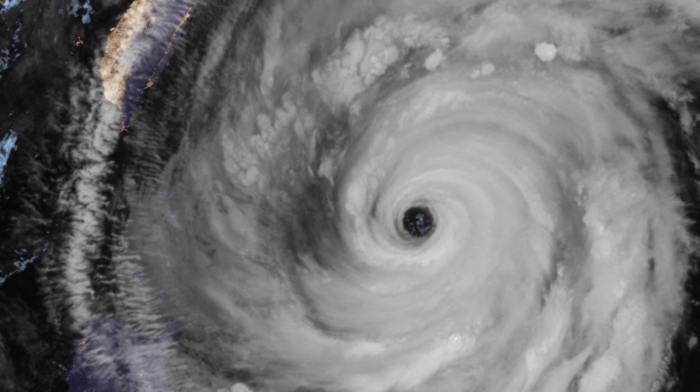
Storm Kristin has killed at least five people and left more than 850,000 residents of central and northern Portugal without electricity on Wednesday (28 January), as it toppled trees, damaged homes, and disrupted road and rail traffic before moving inland to Spain.
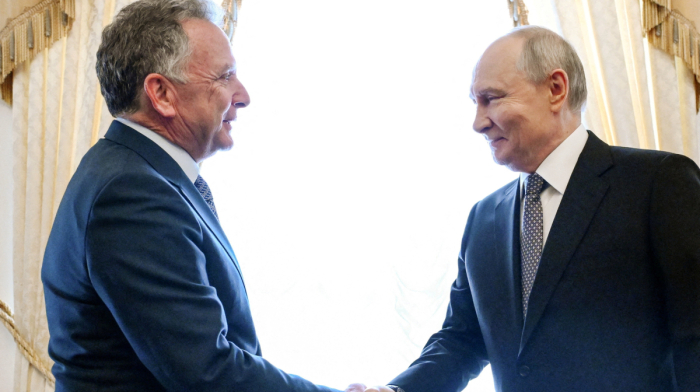
Russian President Vladimir Putin said he was ready to assist in rebuilding Syria’s war-damaged economy as the country's interim President Ahmad al-Sharaa made his second visit to Moscow in less than four months on Wednesday (28 January).
Start your day informed with AnewZ Morning Brief: here are the top news stories for the 28 January, covering the latest developments you need to know.
The European Commission has announced €153 million ($183 million) in emergency aid for Ukraine, alongside €8 million ($9.5 million) to support Moldova, which hosts large numbers of Ukrainian refugees.
U.S. President Donald Trump on Thursday threatened new tariffs on countries supplying oil to Cuba, escalating a pressure campaign against the Communist-run island.
Burkina Faso’s military-led government has dissolved all political parties and ordered their assets transferred to the state under a decree adopted by the authorities.
Bangladesh and Pakistan on Thursday resumed direct flight services after 14 years, marking a milestone in the revival of relations between the two Muslim-majority nations.
Truck drivers in two of the four Balkan states protesting against the EU’s tightened entry-exit rules stepped back on Thursday, easing some pressure on major cargo routes, while colleagues in Bosnia and Serbia kept their lines of trucks in place.
You can download the AnewZ application from Play Store and the App Store.
What is your opinion on this topic?
Leave the first comment