The European Union is pushing to deepen trade ties with Asia as rising global trade barriers threaten international commerce, German Chancellor Friedrich Merz said during a visit to Singapore on Tuesday (27 October).
Merz called for closer cooperation with Southeast Asian economies and members of the 12-nation Comprehensive and Progressive Agreement for Trans-Pacific Partnership (CPTPP), championing open markets and predictable trade rules as an alternative to rising protectionism.
His remarks come amid escalating global trade tensions. Research published by the World Trade Organization (WTO) and International Monetary Fund (IMF) in July found that global trade policy activity in the first five months of 2026 was almost double that recorded in 2024, driven largely by restrictive measures.
Why the EU is seeking stronger trade ties with Asia?
Strengthening economic ties with Asia would help Europe diversify its export markets and investment partnerships amid uncertainty over U.S. tariffs and Chinese trade restrictions.
“We must assert our interests in an international environment shaped by renewed great-power rivalry,” Merz said.
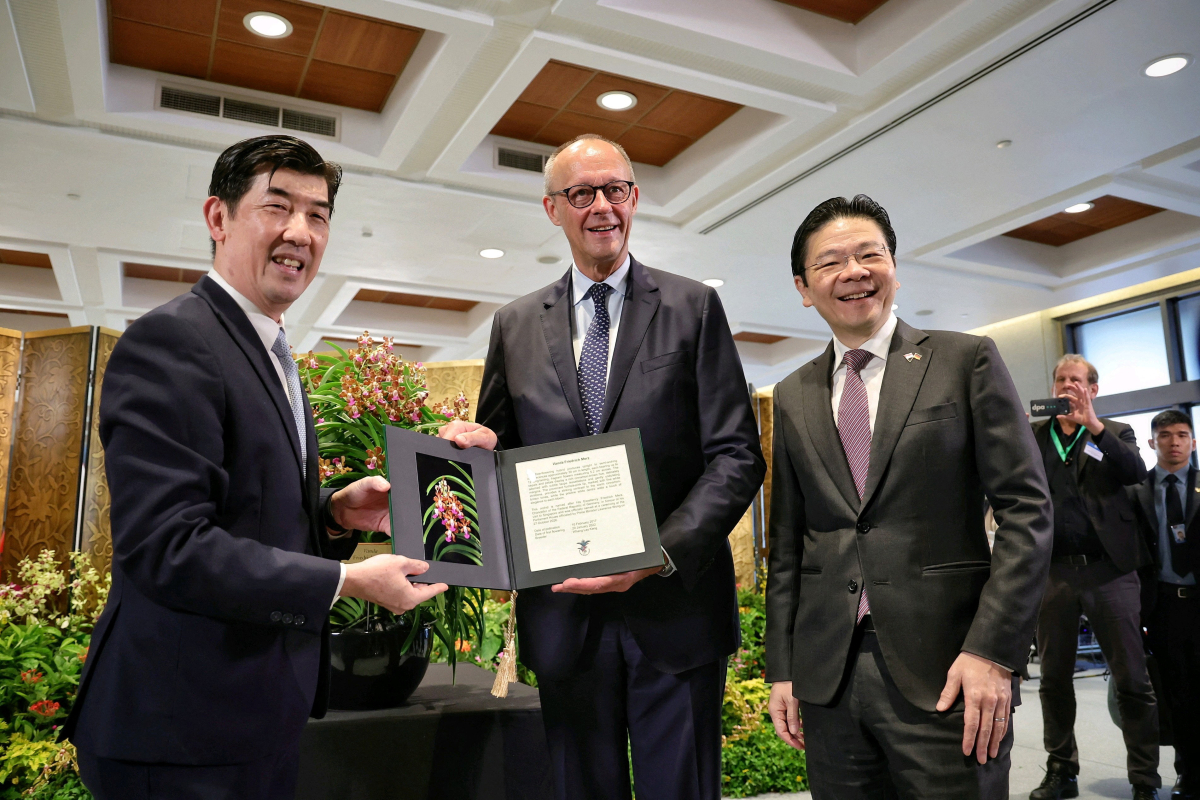
Speaking alongside Singapore's Prime Minister, Lawrence Wong, Merz said the EU, a market of around 450 million consumers, was looking to strengthen partnerships built on open competition, reliability and rules-based trade.
“This is a deliberate counterpoint to what we are currently seeing … we want to do things differently and we want to show that there is a better way,” he said.
Merz also called for stronger links with CPTPP members, including Japan, Britain, Canada, Australia, Mexico, Singapore and Malaysia. Neither the U.S. nor China belongs to the pact.
EU–ASEAN trade reaches €274.9 billion amid global uncertainty
The drive for closer ties builds on an already significant economic partnership between Europe and Southeast Asia.
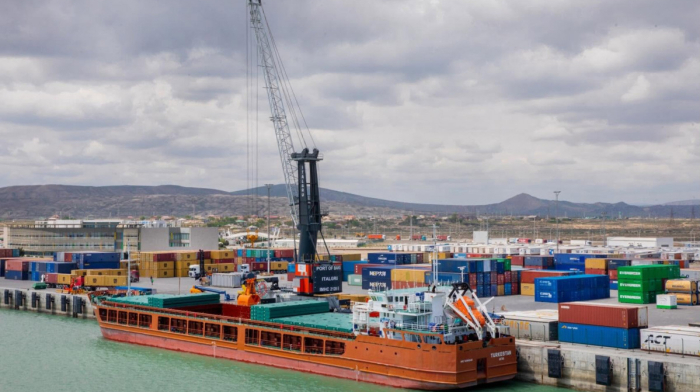
European Commission data show that EU goods trade with the Association of Southeast Asian Nations (ASEAN) reached €274.9 billion (approximately $319 billion) in 2025, making ASEAN the EU's third-largest trading partner outside Europe.
European investment is also substantial, with EU investment stock in ASEAN totalling €363.4 billion (approximately $422 billion) in 2024.
Singapore plays a key role in that relationship. Bilateral goods trade with the EU reached €47.8 billion (approximately $55.4 billion) in 2025, while the EU–Singapore Digital Trade Agreement, which entered into force in February 2026, introduced rules designed to simplify digital transactions and cross-border trade.
The figures underline Southeast Asia's growing importance to European businesses, even without a comprehensive regional free trade agreement.
What stands in the way of an EU–ASEAN free trade agreement?
Singapore Prime Minister Lawrence Wong said his government would push for progress on an ASEAN–EU free trade agreement when Singapore takes over the bloc's rotating chairmanship in 2027.
“We recognise that it will be challenging. It's complex, but we can also have some confidence in moving forward,” Wong said.
The EU already has bilateral free trade agreements with several Southeast Asian countries, with negotiations continuing elsewhere in the region.
Merz urged Brussels to coordinate its trade relationships with Singapore, Malaysia, Indonesia and India more effectively, opening up further opportunities for European businesses.
But securing a region-wide deal would be complex, requiring agreement between economies with varying regulations, industrial priorities and levels of development.
EU and ASEAN explore deeper energy, technology and security cooperation
Beyond trade, the EU and ASEAN are also exploring closer cooperation on energy, technology and security.
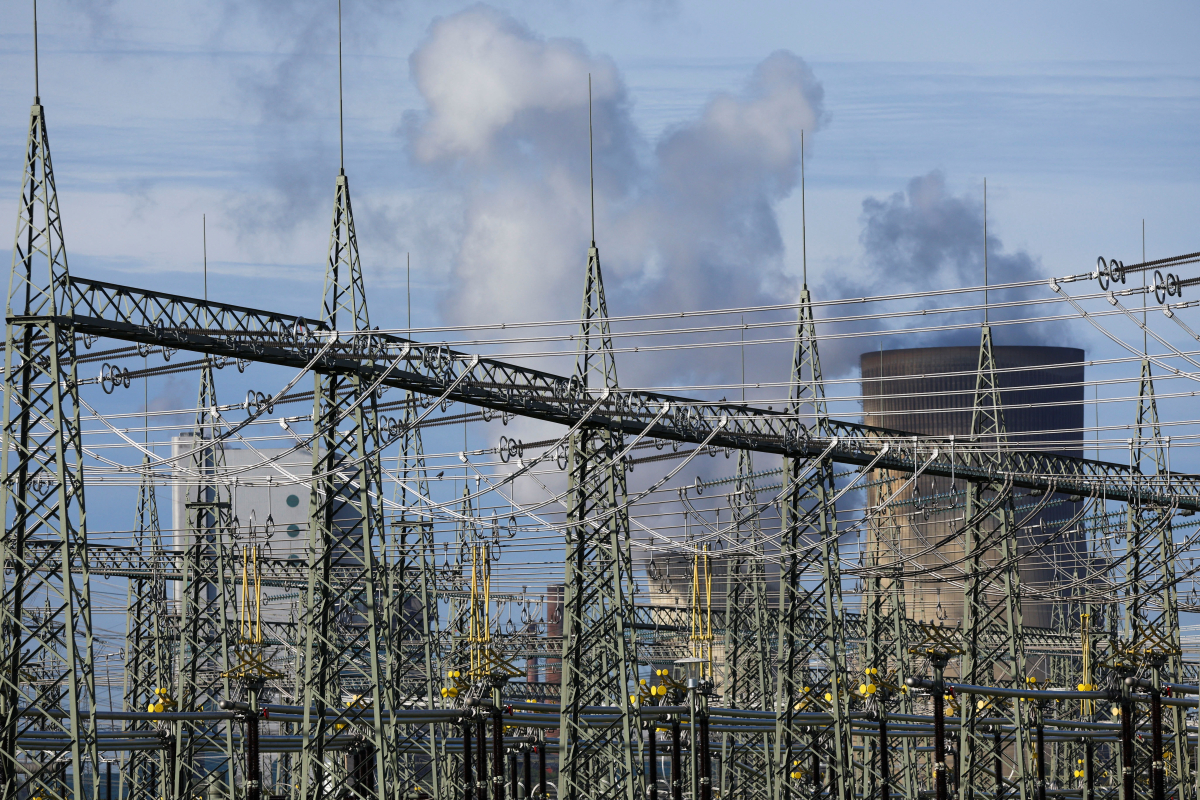
Merz said the EU was ready to support ASEAN's initiative to link national electricity grids, a project designed to strengthen energy connectivity across Southeast Asia.
The two leaders also discussed expanding cooperation on artificial intelligence, sustainable energy, defence and security.
Wong reaffirmed Singapore's interest in investing in Germany and the wider European market, saying investors, including sovereign wealth funds, remained confident in Europe's long-term economic prospects.
For Brussels, deeper ties with Asia offer a chance to expand export markets, attract investment and reduce exposure to global trade disruptions. But turning that ambition into concrete agreements will depend on whether both sides can bridge their economic differences.











What is your opinion on this topic?
Leave the first comment